| TUESDAY, MAY 6, 2025 | 10:15 – 11:15 AM |
|
Building Tomorrow’s Workforce: Crafting CTE Environments that Drive Student Success and Community Impact |
|
|
Ballroom (1st Floor)
Together we’ll delve into the creation of the new Center for Applied Technology North (CAT North), a CTE hub that anchors a growing district of Anne Arundel County Maryland, developed through a collaborative planning and an inclusive design process. By engaging a wide variety of stakeholders – including educators, industry professionals, students, parents, and community leaders – the project team crafted an innovative learning environment that prioritizes hands-on, student-centered experiences. Attendees will explore how flexible solutions, professional-grade technology, and interdisciplinary spaces prepare students for careers in high-demand fields such as healthcare, advanced manufacturing, and information technology. In the spirit of engagement, our panel will pose interactive questions to participants in order to discuss specific scenarios encountered during the planning process and insights gained along the way. The discussion will highlight the tangible benefits of CTE programs to the local community, including bolstering workforce pipelines, enhancing economic development, and fostering partnerships between schools and businesses. By sharing lessons learned, practical strategies, and measurable impacts, this session will empower attendees to rethink the role of design in advancing education, community enrichment, and workforce transformation.
Learning Objectives:
- Learn to create secure and resilient CTE learning spaces through controlled access points, clear circulation paths, and durable materials, designed to protect building users while supporting dynamic learning environments.
- Explore how to enhance student wellbeing through integration of natural light, exterior connections, and indoor environmental quality.
- Evaluate equitable access and sustainability for all users, integrating interdepartmental and inclusive spaces, while prioritizing sustainable practices.
- Analyze community connections and workforce development, fostering equity by providing students with access to cutting-edge resources and professional-grade facilities, while benefiting the broader community.
Track: Design of Educational Facilities
 Kieran Wilmes, AIA, LEED AP BD+C, Co-President, Grimm + Parker Architects
As a Partner and Co-President of Grimm + Parker, Kieran has focused on educational design for the last three decades, managing and leading design teams on K-12 and collegiate projects throughout the region. Kieran brings his deep experience to all phases of project design and construction, working closely with clients and community groups from the outset to build consensus and establish expectations that inform the design process and ensure aspirational, effective and thoughtful outcomes. He is passionate about engaging students and educators in the design process, understanding their unique perspective on learning, and how their experiences and insights can shape environments to help them thrive.
 Joe Rose, Director of Workforce Development, Anne Arundel County Public Schools
Joe is a passionate advocate for Career and Technical Education (CTE) with over 15 years of culinary experience and three years of carpentry experience. A lifelong learner, Joe currently serves as the Director of Workforce Development for Anne Arundel County Public Schools, where they lead initiatives to prepare students for industry-recognized certifications and workforce readiness. Their extensive leadership background includes serving as Principal of the Center of Applied Technology North and South, as well as other administrative roles within AACPS. Dedicated to empowering students and fostering future-ready skills, Joe strives to align education with industry needs.
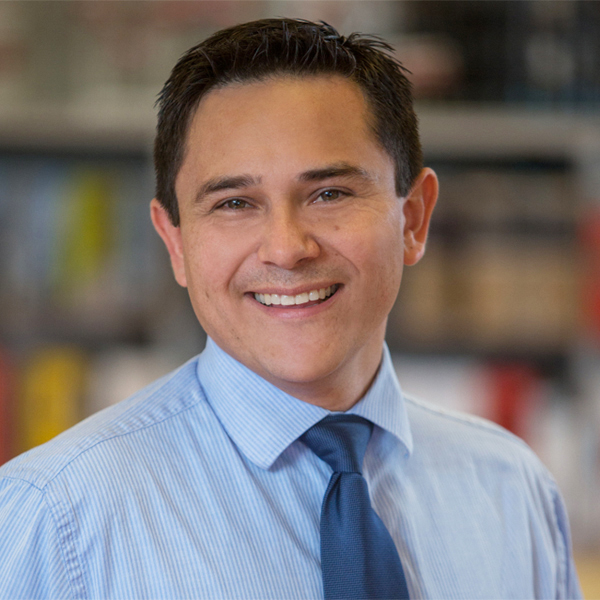 Billy Arias, AIA, LEED AP BD+C, Associate Principal, Grimm + Parker Architects
Billy is an Associate Principal with G+P and brings over 25 years of experience in the design and construction of educational facilities. He has worked on new construction, renovations and additions incorporating the latest technologies into each project. He has worked in all phases of design and possesses knowledge and understanding of challenges within school design and is a great asset to the team. Billy is responsible for overall coordination, progress of documents throughout all phases of project design and for management of the project during the construction administration phase.
 Mary Patz, AIA, LEED AP BD+C, Anne Arundel County Public Schools
Mary manages the Design Office at Anne Arundel County Public Schools. With thirty years of professional experience, Mary has focused for the last 16 years on K-12 education. She and her team are responsible for all educational specifications, as well as research and maintenance of design standards to guide capital construction projects. Additionally, she and her team provide in-house design of renovations, ensure ADA compliance, and, through collaboration with many department stakeholders, facilitate the county’s educational mission at more than 130 schools and office buildings in the AACPS system.
|
|
Meeting Kids Where They Are: Integrating Diverse CTE Programming into a High School |
|
|
Carrick Bend (1st Floor), PowerHouse Building
In this session, we share success stories and lessons learned from our recently completed CTE Satellite Center at Edward Little High School, which integrates 12 program areas into a 280,000 SF high school. Leveraging leading-edge technology, the new Center equips students with skills in a variety of disciplines. We detail what it takes to successfully plan, design, engineer and deliver a robust CTE Center—creating spaces that equip students with valuable skills while creating a sense of pride, ownership and community inside and outside the school.
Learning Objectives:
- Discuss the logistical, budgetary, and pedagogical challenges of creating a comprehensive and integrated CTE program.
- Identify opportunities for industry, educators, regulators and designers to effectively collaborate to optimize a successful outcome.
- Explore design strategies that help to seamlessly integrate CTE programming into the High School and make it welcoming to varied learners.
- Understand the programming and technical requirements of integrating diverse CTE spaces.
Track: Design of Educational Facilities
 Lisa Sawin, AIA, LEED AP BD+C, Principal, Harriman
A gifted communicator, Lisa Sawin is a Principal and leads Harriman’s Pre K-12 Education Studio. Passionate about developing learning environments that support educators and students alike, Lisa is a hands-on project leader, working with school leadership, administration, and facilities personnel to provide meaningful solutions to operational and functional challenges. She holds both a Bachelor of Science and a Master of Architecture from Norwich University and brings over 15 years of experience to her role.
 Mark Lee, AIA, LEED AP, Harriman
Mark is a passionate designer and leader. He guides new build, renovation, consolidation, and long-range planning for education clients throughout New England. Focused on balancing 21st-century learning environments with durable, long-lasting buildings, Mark works closely with clients to develop spaces are flexible, sustainable, and innovative. Mark holds a Bachelor of Science in both civil engineering and architectural engineering from Drexel University and a Master of Architecture from Boston Architectural College.
 Rob Callahan, Director, Lewiston Regional Technical Center
A passionate advocate of CTE programming, Rob has directed the Lewiston (ME) Regional Technical Center (LRTC) for more than 15 years. In that capacity, he’s collaborated with students, families and area employers to create programs and partnerships that meet the community’s needs (Edward Little High School’s CTE program is a satellite of LRTC). In 2024 Rob was honored as the Administrator of the Year by the Maine Association of Career Technical Education. He has worked with students throughout his career. His has been assistant dean of students at Babson College as well as assistant dean of student life at Assumption University in Worcester, MA. He received a bachelor’s degree in English and Political Science as well as a master's degree in business administration from Assumption University.
|
|
Co-Designing the Classroom: Design Research with Student Partners to Improve Belonging and Engagement |
|
|
Bowline (2nd Floor), PowerHouse Building
Children spend a large portion of their time in school, yet rarely have any influence on how the space is designed. Sometimes they participate as testers of a product that has already been designed, or as informants that are briefly observed and interviewed. Still, the child’s input often remains limited and remains almost completely controlled by adults. Do children not deserve to influence their own development? Since the pandemic, one in four students are absent in classrooms every day. These students are missing a large portion of the academics, socialization, and real world lessons that regularly attending school provides. In hopes of improving attendance, Co-Designing the Classroom aims to increase student engagement and feelings of belonging at school by bringing the students into the design process. Our design team, made up of nine children and four adults, spent a year researching how design might reconnect students to school by reconnecting them to the physical, material environment of the school space. Co-Designing the Classroom hosted a series of five co-design sessions in collaboration with Pratt Institute’s Center for Art, Design, and Community Engagement K-12, a campus organization that aims to make art and design education more accessible to school-age children. This interactive presentation will emulate segments of our co-design sessions, share the team’s research and design process, as well as findings from the research. The conversation will highlight the students feelings around belonging, criteria for spaces that foster belonging, and the proposed design interventions the team created together. While collaborating with fellow audience members, participants will have the opportunity to identify and recognize design criteria for future education projects as suggested by student’s experiences from the co-design process.
Learning Objectives:
- Learn more about curating and engaging students in a co-design project.
- Deepen understanding of students’ feelings about belonging in school today.
- Identify design criteria for belonging as determined by student perspectives shared during the co-design sessions.
- Recognize how the research findings can inform future education projects, with the proposed design interventions as examples.
Track: Community Engagement
 Margot Kleinman, AIA, Founder + Principal Architect, Visiting Assistant Professor, Vagus Workshop Inc., Pratt Institute
Margot is an architect, educator and researcher. She is a Visiting Assistant Professor in Interior Design at Pratt Institute, teaching drawing and representation, public toilet design, and co-design studios. She is the founder of Vagus Workshop, an architecture studio focusing on student, community, and civic spaces through experience informed co-design; she acts as the facilitator, working with, not for her clients. Margot previously worked at Gensler on large scale projects and researching the student experience.
 Danielle Begnaud, Founder + Principal Designer, Visiting Instructor Benyo Studio, Pratt Institute
Danielle is the founder of Benyo Studio, a design studio spanning toy and game design, collaborative design practices, and children’s books. Danielle holds a Master’s in Industrial Design from Pratt Institute. As a product designer with experience researching and working with youth, Danielle is passionate about empowering children to see themselves as designers and changemakers. Danielle is a Visiting Instructor at Pratt Institute, teaching toy design, design studios, and thesis seminar classes.
|
|
Meet Us in the Middle: Consolidating Space While Maximizing Student Opportunities |
|
|
Sheet Bend (3rd Floor), PowerHouse Building
School consolidations, due to economic and demographic reasons, have profound impacts on school district operations, funding, and real estate. Consolidations typically have negative connotations for loss of space, school history, and education staff. However, many schools have seen positive outcomes. By combining schools in one building, educators are able to expand the number of courses to students, provide equitable access to programs, and reap the benefits of operational savings. The planning of combined school buildings comes with design implications and discussions regarding leadership roles, operational impacts, circulation studies, and future flexibility. Planning sessions with the school board, community members, educators, support staff, and students are needed to identify program and functional adjacencies. Our case study, Capital School District (Dover, DE), selected a strategy of consolidating their middle schools from two distinct stand-alone facilities steeped in history into one new larger middle school at the former high school campus centrally located in the city. The strategy was predicated on the ability to provide more learning opportunities and services to middle school students at a new facility that is uniquely two schools located in one location. In addition to the operational protocols influencing the consolidation strategy, the building required specific planning and design considerations to meet the community goals. The shared programming opportunities were most substantial within the career technical teaching spaces or “pathways” programs. This allowed the curious students to get exposed to more hands-on learning environments at a younger age while also engaging a broader group of students. Architecturally, the project resulted in several new and innovative design approaches. The geography of the site within Dover, the prior site of the central high school, allowed the district to keep the new middle schools centrally located and accessible to all. Within the site, the buildings are prominently represented as individual entities, allowing the community to identify their school quickly. Overall, the building program consolidation provides enhanced visibility in the community without stifling space for growth, giving students the spaces needed to move and learn without being crowded.
Learning Objectives:
- Understand the advantages and disadvantages of combining school facilities into a shared single building using nationwide examples and a unique case study
- Understand guiding principles and project goals early in programming to facilitate the process with all stakeholders.
- Learn the program elements of combined school facilities, sharing opportunities, and operational and funding considerations.
- Understand the programmatic impacts on students, staff, and administrators and how to use the design process to gain buy-in from the community.
Track: Design of Educational Facilities
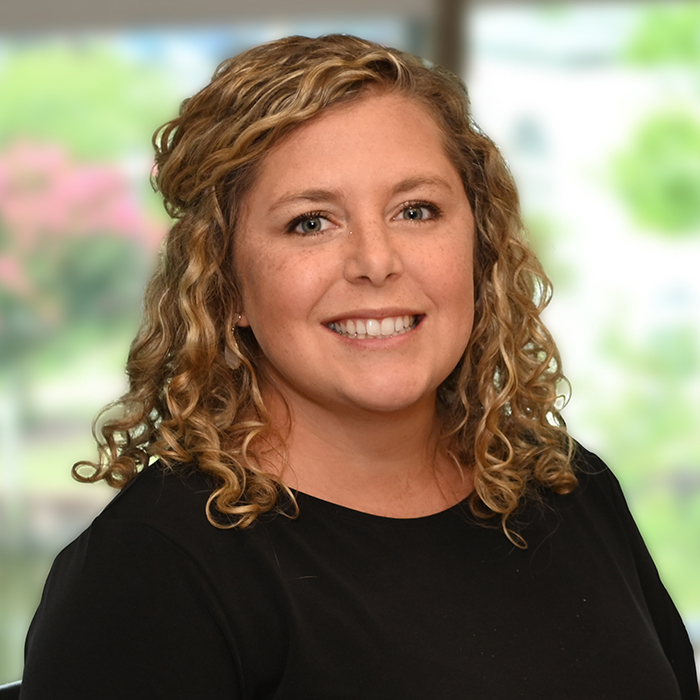 Allison Shockley, AIA, NCARB, Senior Associate, Education Practice Leader, Becker Morgan Group, Inc.
Allison is a Senior Associate at Becker Morgan Group with 13 years of experience. She holds a Master’s and Bachelor’s in Architecture and is active in community leadership, serving on professional and non-profit boards. Her primary focus is on the design and project management of educational facilities.
 Carl Knutson, AIA, Principal, Design Director, Perkins&Will
Carl, Design Director of Perkins&Will’s Washington DC Studio, has led a multitude of award-winning education and community projects both nationally and abroad. Recent work includes DC Public Library’s Southwest and Congress Heights Libraries, Field High School DC, Capital School District’s (Dover) middle schools, and the Communication Arts Building at BSU. These unique projects reflect a commitment to design in service to the community and will have a lasting regional impact on architecture and placemaking.
 Daniel Shelton, Ed.D., Former Superintendent, Capital School District
Dr. Shelton was the Superintendent of the Capital School District from 2015-2020. In Capital, he facilitated a comprehensive Strategic Plan and Long Range Facilities Master Plan with broad community input and support, which resulted in a successful referendum to build a unique Dual Middle School providing equity and access for all students. He earned his Bachelor, Master, and Doctoral degrees from the University of Delaware. He was Delaware’s National Distinguished Principal in 2012 and Delaware Superintendent of the year in 2022.
|
| WEDNESDAY, MAY 7, 2025 | 9:00 – 10:00 AM |
|
Panel Discussion on Comparing Integrated CTE Models: CTE Program Integration into High Schools vs. High School Programs into CTE Centers |
|
|
Ballroom (1st Floor)
This presentation will delve into the key differences between integrating Career and Technical Education (CTE) programs directly into high schools versus integrating high school programs into a CTE center. We will explore the advantages and challenges of both approaches, offering a deeper understanding of how they shape students’ learning experiences and career pathways. When CTE programs are integrated into high schools, students can access hands-on, career-focused training alongside traditional academic subjects. This model often allows for a seamless blend of general education and technical skill development within the same school environment. It fosters a direct connection between classroom learning and real-world applications, while also maintaining the structure of a comprehensive high school education. On the other hand, when high school programs are integrated into a specialized CTE center, students typically receive a more focused and immersive experience in their chosen field, with access to specialized facilities and industry-standard equipment. This approach often provides more in-depth training and exposure to specific career paths, potentially increasing the employability of students upon graduation. However, it can also create a logistical challenge, as students may need to commute between their home high school and the CTE center, which could affect class schedules and participation. Join us as we compare these two pathways and explore how schools can create flexible, responsive educational environments that equip students for future careers in a variety of industries. Integrating Hands-on STEM Learning at all Learning Levels. There will be a brief presentation outlining the planning and implementation of each of these models at recent schools in New England. Following the presentation, a live Zoom panel discussion will feature some of the leaders involved in the visioning and planning process at these schools. We encourage audience participation and invite attendees to ask questions to the panelists. Presenters: Jay Doherty, ALEP, AIA, LEED AP, Architect / Ed Planner, Lavallee Brensinger Architects, Christopher Dodge, former CTE Director, Salem CTE / Salem NH (Via Zoom), David N. Theoharides, former Superintendent of Schools, Sanford Maine (Via Zoom).
Learning Objectives:
- Understand the Key Differences: Identify and compare the structural, logistical, and educational differences between integrating CTE programs into high schools and integrating high school programs into CTE centers.
- Evaluate the Impact on Student Engagement and Learning: Analyze how each model influences student engagement and motivation, including how access to specialized resources and hands-on training affects learning outcomes.
- Examine Career Readiness and Workforce Preparation: Assess how both models contribute to career readiness and real-world skill development, and explore the benefits and limitations of each approach in preparing students for the workforce or higher education.
- Explore Practical and Logistical Considerations: Understand the practical challenges related to scheduling and resource allocation when high schools are integrated with CTE programs versus when high school programs are integrated into a CTE center.
- Explore Collaboration Opportunities: Investigate potential strategies for schools and CTE centers to collaborate and combine elements of both models, creating a more flexible and responsive educational pathway for students.
- Discuss the Future of CTE in Education: Discuss the evolving role of CTE in education and how different integration models align with the demands of a rapidly changing job market, focusing on how schools can better prepare students for the future.
Track: Design of Educational Facilities
 Jay Doherty, ALEP, AIA, LEED AP, Principal / Ed Planner, Lavallee Brensinger Architects
Jay has over 25 years of experience designing and planning K-12 learning environments throughout New England. He is passionate about designing spaces for the next generation of learners and promoting hands-on experiential learning through sustainable design. Jay was one of the first LEED Accredited Professionals in NH and one of the first ALEP Certified Professionals in NH. Jay sits on numerous CTE Advisory Boards helping to shape current and future programs throughout New Hampshire.
|
|
From Aging Infrastructure to Innovation: Manchester Public Schools’ Sustainable Transformation |
|
|
Carrick Bend (1st Floor), PowerHouse Building
Balancing budget constraints and aging infrastructure is a persistent challenge for school districts striving to create 21st century learning environments. How can districts meet these fiscal demands while also reducing utility costs and fostering sustainability? Manchester Public Schools, a suburb of Hartford, Connecticut, provides an inspiring example of how to achieve this balance. In 2019, the district launched an ambitious initiative to transform three of its schools into models of learning, sustainability, and energy efficiency. Rather than demolishing its existing buildings, the district focused on renovating Buckley, Bowers, and Keeney Elementary Schools into net zero energy facilities, aligning with its vision of fostering 21st-century learning and addressing environmental challenges. Buckley Elementary School became a trailblazer as the first verified, publicly funded, net zero energy school in Connecticut and New England, made possible through support from the State of Connecticut’s School Construction Grant Program. Bowers and Keeney Elementary Schools also pursued innovative funding methods, leveraging federal tax credits to support the implementation of sustainable technologies. Additionally, the local utility provided $775,000 to the Town through their rebate program. Combined, these schools save the district approximately $150,000 in annual utility costs and are projected to achieve savings of $7,500,000 million over the next 30 years. These projects achieved high-performance retrofits within tight budgets, proving that financial constraints do not have to hinder progress. Beyond energy efficiency, these renovations prioritized academic success by creating flexible and interdisciplinary spaces that support student engagement. Dedicated areas for Science, Technology, Engineering, Arts, Math, and Music (STEAMM) were incorporated to enhance collaboration and foster creativity. This commitment to educational excellence and environmental stewardship has positioned Manchester Public Schools as a leader in innovative school design. By participating in this session, attendees will gain insights into implementing high-performance design strategies and efficient technologies in existing building retrofits, learning how to meet sustainability goals, stay within budget, pursue funding opportunities, and create modern, inspiring environments for students and staff.
Learning Objectives:
- Identify strategies for balancing budget constraints with the need to modernize aging school infrastructure while fostering sustainability.
- Learn how to incorporate high-performance design strategies and integrate efficient technologies to achieve energy goals.
- Explore innovative funding methods, including leveraging state grants, utility incentives, and federal tax credits, to support sustainable construction and renovation projects.
- Learn how to design flexible, interdisciplinary learning spaces that promote student engagement, support STEAMM education, and enhance academic success within sustainable environments.
Track: Design of Educational Facilities
 Jess Farber, PE, WELL AP, Vice President, CMTA
Jess is an innovation leader with nearly three decades of experience in engineering and sustainability in a range of markets, including higher education, healthcare, K12 schools and more. As Vice President for CMTA, he leads our Boston offices and drives environmental transformation through zero-energy projects and decarbonization initiatives across New England and the United States. With his passion for lasting change in the built environment, he’s making a profound impact on our world today.
 Christopher Till, PE, Facilities Project Manager, Town of Manchester
Christopher has served as the head of Facilities Management Division for the Town of Manchester for over 16 years. He is responsible for planning, developing, and directing facilities operations, maintenance, repair, capital construction, and renovation program for the Town and Manchester Public Schools. He holds a Master of Science degree in Environmental & Water Resources Engineering from the University of Michigan and a Bachelor of Science degree in Civil Engineering from Tufts University.
 Randall Luther, AIA, MCPPO, NCARB, Partner, TSKP Studio
With over 25 years of experience at TSKP Studio, Randall is passionate about restoring the dignity of civic architecture. He is also dedicated to youth development programs, having long been a youth basketball coach and ACE Mentor. He is a member of the American Institute of Architects, and former member of the Clinton Board of Education and several school building committees. He earned degrees from Syracuse University in both architecture and mathematics.
|
|
Learning Landscapes: How Spaces Become Extensions of the Brain |
|
|
SESSION CANCELLED
Bowline (2nd Floor), PowerHouse Building
Think about how incredibly long it takes for humans to grow up. From wobbly toddlers to teenagers, this long journey isn’t just about getting bigger – it’s about building our brain, bit by bit, experience by experience. For the first 25 years of our lives, our brain is basically under construction, with every interaction, every play session, and every lesson leaving its mark on our neural wiring. Watch a toddler explore a room, touching everything and climbing on whatever they can, they’re not just being curious – their brain is literally building itself through these experiences. A teenager hanging out in common spaces between classes isn’t just socializing – their brain is processing complex social cues and forming networks that will last a lifetime. Even as adults, our brains keep this amazing ability to change and grow. As we continue to learn about our brain it is important to understand that many of these activities happen in the environment, we inhabit whether inside or outside. Research shows that our built environment literally shapes our brain development – from how we process information to how we feel and behave. A feeling of awe that a soaring cathedral creates, to comfortable quiet conversations prompted in a cozy café environment or to a feeling of anxiety in a cluttered room all connects back to our brains, which is constantly responding to our environment – it’s hardwired within us. We know today that natural light boosts learning by up to 25%, ceiling height affects creative thinking, the presence of curved vs. straight lines impacts our stress levels and ability to focus, colors prompt behavioral changes and on and on we can go with these findings. It’s not just the schools, but all of us are collectively to blame as we ignore or just don’t understand this science. We continue to put our kids in rigid boxes and hope for magic to happen.
Now just imagine if we flipped this script:
- What if the spatial design of the environments was through the lens of brain development?
- What if our learning spaces were living extensions of the brain? And
- What if our spaces could breathe and flow with learning though the learning landscapes just as neural networks adapt and reorganize in our brains?
What if:
- Movement Built Brains: Creating flowing spaces with different zones, to not just make things interesting but creating the critical connections between physical movement and brain development. Those million neural connections per second? We know that they form better when kids are moving, exploring, and engaging with their environment.
- Experience Shaped Wiring: Our brains develop through sensory experiences. So when we design spaces with varied textures, natural light, and thoughtful sound design, we’re not just making good environments – we’re providing the diverse sensory inputs crucial for healthy brain development. That’s why outdoor learning spaces and natural elements aren’t luxury add-ons – they’re brain-building essentials.
- Flexibility Drives Learning: Young brains are incredibly plastic, constantly rewiring based on experience. Our learning spaces should share this flexibility. Moveable walls and adaptable spaces don’t just provide variety - they support the brain’s natural tendency to make new connections and reorganize information.
- Social Spaces Build Social Brains: The teenage brain is literally wired to seek social connection. When we design collaboration spaces and social learning hubs, we’re working with this natural tendency, not against it. These spaces become tools for developing the social-emotional neural networks crucial for future success. When we align our spaces and teaching methods with brain development, we create a powerful feedback loop.
The environment that supports natural learning processes, builds stronger neural networks, allowing for deeper learning, and better use of the environment. This is more than just making schools look better! It’s about creating learning environments that actively participate in brain development with spaces that teach, not just contain. When the built environment and teaching methods are aligned with how brains actually develop and learn, we’re not just delivering curriculum – we’re building better brains.
Track: Educational Visioning
 Nandita Mishra, ALEP, Assoc. AIA, LEED AP, Director of Education, Kay-Twelve
“Be the change you want to see in the world” ~ Mahatma Gandhi. As and Educator, Architect, Educational Planner, and Designer, Nandita believes that we can intentionally influence change for the better in our world. We know that design influences behavior which creates culture. Culture shapes values and these values determine our future. A designer’s lived experiences help shape the experiences they create. Her Diversity has been her superpower, be it understanding race, ethnicity, culture, or just diversity of thought to any situation. Nandita draws on her passion of learning from her lived experiences to understanding research and creating awareness of the systemic change that is all around. This informed approach has helped her create future ready solutions for various school districts in Michigan. Research driven experiential design solutions eliminate ambiguity in design decisions and help us create learning environments that support our whole being; from Social Emotional Learning to creating Lifelong Learning strategies that our impactful for creating a robust future “our kids”. Educational design and planning is extremely powerful when done correctly. Nandita’s passion in this field has been evident in all projects she has had the privilege in shaping through the years. She is a thought leader with a background in both architecture and interior design. Nandita is a certified Educational Planner through the Association of Learning Environments of which she was the past president of the Michigan Chapter and she is currently the President of the Midwest Great Lakes Region. Additionally, her background in teaching has helped her become an empathetic designer. Each step from educational visioning, pre-design planning, master planning and analyzing strategies for aligning the educational vision and curricular goals with the learning environments has been on the forefront of all Nandita’s projects. This alignment is the backbone of future ready solutions that are both sustainable and impactful for all users.
 Jolene Levin, K-12 Advocate and Consultant
Jolene’s journey in educational design began in 2014 in Australia, where she and her husband developed innovative spaces and products to support schools and universities transitioning to progressive learning models. Her designs emphasized engagement, collaboration, and creativity, grounded in her belief in the transformative power of thoughtful learning environments. In 2017, Jolene moved to Dallas, Texas, to work closely with U.S. schools on creating inclusive spaces that ensure every learner’s success. Known for her collaborative approach, she has become a trusted advisor to districts across the U.S. and internationally. Now a consultant, Jolene partners with companies to drive growth and develop innovative solutions in the K-12 market, fostering the creation of inclusive and impactful learning environments. In 2024, she was named Chair of EdMarket, where she continues to lead efforts in advancing innovation and inclusivity in education. As a Core Instructor for the ECLPS Certification program and a respected speaker, moderator, and author, Jolene has contributed to platforms like EDspaces, EDUtalk, and LearningSCAPES, shaping conversations about the future of education.
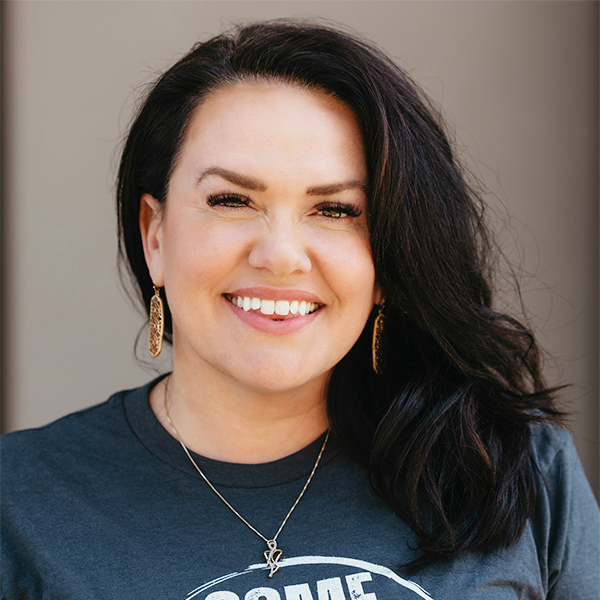 Carla Cummins, Vice President, Kay-Twelve
Carla is a veteran in the educational design industry, with 25-years dedicated to creating innovative and engaging learning environments. For 19 of those years, she was a vital member of the Association for Learning Environments, a dynamic organization that brings together a diverse group of professionals to drive the evolution of learning spaces. As a leader in this area, Carla recognized the need for a set of standards and competencies that would help elevate the profession and promote excellence in the design, planning, equipping, and maintenance of learning environments. The ALEP designation, which was developed by the Association for Learning Environments in collaboration with other industry leaders, has become a widely recognized symbol of excellence in the educational design industry. Carla’s educational background, which includes a degree from Arizona State University, has been further enhanced by her years of practical experience working with architectural firms throughout the Southwest. During this time, she developed expertise in educational facility planning and master planning and helped shape the physical landscapes of schools and universities across Arizona, New Mexico, and Texas. Throughout her career, Carla has demonstrated a deep understanding of the intersection between learning and place, and has leveraged this knowledge to help the design community create facilities that foster creativity, collaboration, and discovery. Her focus on schools as the center of communities is a testament to her unwavering commitment to creating vibrant and engaging learning spaces that serve as the foundation of strong, healthy communities. Throughout her career, she has worked to promote the idea that schools are more than just buildings – they are the heart of their communities, and they play a critical role in shaping the future of the children and families they serve.
|
|
Beach Babies: Integrating a Community’s Ecology & Culture into Design through Engagement |
|
|
Sheet Bend (3rd Floor), PowerHouse Building
The Town of Chesapeake Beach began in the late 19th century with the plan for a grand resort on the shores of the Chesapeake Bay. Only 28 miles from Washington, D.C., Chesapeake Beach still attracts visitors nationally and internationally. Today, the Town serves as the primary residence to approximately 6,000 citizens residing within the municipal limits. Calvert County Public School’s Beach Elementary School was opened in 1954 on the site of a former schoolhouse. Over time Beach ES became the heart of Chesapeake Beach serving multiple generations of “Beach Babies”. This legacy community was focused on instilling the history of the town, the school, and the unique local ecology of the Chesapeake Bay into their school. This session will tell the story of the replacement of Beach Elementary School through the lens of our community engagement process. The story will be told by four of the project stakeholders including the Owners Representative, Learning Environments Planner, Architectural Project Manager, and the school’s beloved Library Media Specialist who herself is a legacy member of the community. The design of this three-story replacement elementary school was crafted through the engagement process to celebrate its unique community by featuring controlled collaboration areas with inspirational views of the Chesapeake Bay. The school’s interior design is themed as a “Landscape for Learning” which acts as a wayfinding technique for students to navigate the multi-story building as well as a teaching tool to learn about the ecology of the surrounding area. The details of the school’s layout for next generation learning were meticulously crafted through vigorous stakeholder collaboration focusing on the flexible needs of future learners. The LEED Silver building and site embody the community’s dedication to its natural environment which is reflected in the massing, interior design, and outdoor learning environments.
Learning Objectives:
- Learn about creating a project vision and using it as a guiding principle during the entire project duration.
- Understand how crafting a specific stakeholder committee comprised of diverse groups can help a project succeed.
- Learn different techniques for stakeholder communication during each phase of the project.
- Explore examples of dynamic learning environments infused with the school’s culture.
Track: Community Engagement
 Krystal McGee, ALEP, Accredited Learning Environments Planner, Smolen Emr Ilkovitch Architects
Krystal, an Accredited Learning Environments Planner with 16 years of experience, is dedicated to designing dynamic, next-generation learning spaces tailored to each community’s unique needs. As A4LE Northeast Regional Secretary/Treasurer since 2019, she brings a wealth of expertise in planning and advocating for environments that foster innovation and growth. Krystal’s passion lies in creating learning spaces that inspire and support the evolving needs of students, educators, and communities.
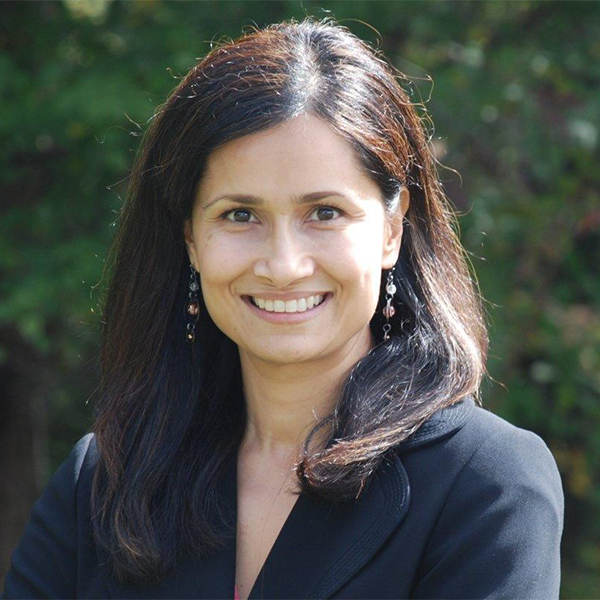 Shuchita Warner, ALEP, LEED AP, Director of Planning and Construction, Calvert County Public Schools
As Director of Planning and Construction, Shuchita oversees long-range planning, design, and construction for Calvert County Public Schools, which includes 26 buildings and 2.5 million square feet of space. An advocate for school design that supports the diverse needs of all learners, Shuchita has served on the Board of the Chesapeake Bay Delaware Valley chapter of A4LE. Currently, she is on the professional development committee of the Maryland Association of School Business Officials.
 Rochelle Cusimano, NCARB, AIA, CPD, Architectural Project Manager, Smolen Emr Ilkovitch Architects
Rochelle, a registered Architect with 11 years of experience and a CPTED Professional Designation, specializes in designing unique K-12 learning environments. Passionate about creating spaces inspired by each school community, she excels at problem-solving and balancing the needs of all stakeholders throughout the design process. Rochelle’s expertise spans all phases of design, from concept development to construction administration, ensuring functional, safe, and inspiring educational spaces for students and staff alike.
Casey Grenier, Technology Integration and Library Media Specialist, Calvert County Public Schools
|
| WEDNESDAY, MAY 7, 2025 | 11:00 AM – 12:00 PM |
|
Envisioning Philadelphia’s Future Through STEAM Education and Career Training |
|
|
Ballroom (1st Floor)
SCHRADERGROUP with Lavallee Brensinger Architects were engaged by the Community College of Philadelphia (CCP) to transform the college’s West Philadelphia Regional Center into a destination that provides high-quality academic, STEAM and career, and technical programs to support career-focused students entering the region’s workforce. With support from local businesses and the West Philadelphia neighborhood, CCP recognized a specific need for STEAM, career, and technical training for its students by constructing a new Career and Technology Center (CATC). The main objective of this effort was to create a dynamic, identity-focused center that provides students with the ideal learning environment for mastering technologies of the ever-evolving industry and healthcare workplaces. Part of the existing West Campus facility was demolished and replaced with a parking lot for over 60 vehicles. The three-story, 75,000 SF building replaced the existing parking lot and automotive technologies center. The new facility includes state-of-the art advanced and adaptive technologies for instructional space and study areas as well as laboratory service bays for automobiles, large vehicles, and stationary and small engine equipment. Comprehensive instruction and training in this facility focuses on automotive and stationary equipment. Programs on the ground floor service current and future technologies, including diagnostic and repair procedures as well as techniques for vehicles powered with gasoline, diesel, biotech, electric, propane and compressed natural gas. The second and third stories consist of a variety of STEAM-based classrooms and laboratory spaces supporting the automotive program, materials technologies, and healthcare programs.
Learning Objectives:
- Identify unique niche opportunities that institutions might provide through their programs.
- Initiate STEAM, career, and technical programs supporting inner-city youth and supporting a segment of the workforce that is currently underserved.
- Implement unique construction required to support STEAM technical training.
- Initiate construction projects in an urban environment with positive support from neighbors.
Track: Educational Visioning
 David Schrader, FAIA, A4LE Fellow, LEED AP, Managing Partner, SCHRADERGROUP
For three decades, David’s professional experience has been focused on the design of next-generation educational facilities. David acts as Principal-in-Charge and leads the design team throughout the project duration to develop and execute design solutions that achieve all client goals. His ability to create a vision with his clients has fostered significant success for all involved including the client, the design team, and the public-at-large.
 John Wiggins, Associate VP, Facilities and Construction, Community College of Philadelphia
John leads the Facilities and Capital Planning Department at CCP, which currently consists of a team of over 40 staff including both facilities and construction project management teams. John manages an annual budget of $5M and an operating projects budget of $1M. He is responsible for all strategic planning for facilities, operating, and capital projects, including related environmental and sustainable initiatives. He works across the organization to support organizational strategic goals.
 Eric Weiss, AIA, Associate, Project Architect, SCHRADERGROUP
Eric has been with SCHRADERGROUP for over a decade, where he expanded his knowledge and skillset primarily in the academic and public safety markets. His experience with graphic presentation programs, combined with his excellent skills as a photographer, serve as valuable assets for helping to communicate ideas and concepts to clients visually. Eric additionally contributes a strong working knowledge of BIM and uses his skills in Revit to improve design solution efficiency in projects.
|
|
Delivering High Performance Schools to Our Communities through Public-Private-Partnership |
|
|
Carrick Bend (1st Floor), PowerHouse Building
Prince George’s County Public Schools is set to deliver eight new, state-of-the-art school buildings to local communities over the next three years through a pioneering Public-Private-Partnership (P3). Building on the success of a first phase, which resulted in the construction of six schools, this second phase leverages this innovative Design-Finance-Build-Maintain process to create inspiring, sustainable, and high-performance educational environments. Discover how this groundbreaking approach can rapidly transform learning spaces and benefit communities across your district.
Learning Objectives:
- Learn about how to set the stage for engaging a P3 team.
- Learn about the financing leveraged to realize the program.
- Learn how sustainable, high performance schools are being delivered on diverse sites using flexible prototypical designs.
- Learn how to schedule, procure, and construct nearly $800 million in new school facilities in three years.
Track: Educational Facility Implementation, Project Management/Project Delivery
 Shawn Matlock, Director, Alternative Infrastructure Planning & Development, Prince George’s County Public School
Shawn is the Director of Alternative Infrastructure Planning & Development for Prince George’s County Public Schools (PGCPS) Office of Alternative Infrastructure Planning & Development. He has also served as the Director of Capital Programs and Associate General Counsel for the district. Prior to joining PGCPS, he served as the Senior Counsel for Transactions at the Baltimore City Public Schools.
 Sean O’Donnell, FAIA, LEED AP, Principal, Perkins Eastman
Sean leads Perkins Eastman’s international K-12 education practice. He sees the school as the center of its community and brings together civic architecture, sustainable design, and innovative educational planning to create high-performing, inspiring places where students learn and grow. A global thought leader in education design and co-director of the Consortium for Design and Education Outcomes, a research partnership with Drexel University’s School of Education, Sean conducts innovative research and speaks about transformative, sustainable learning environments around the world.
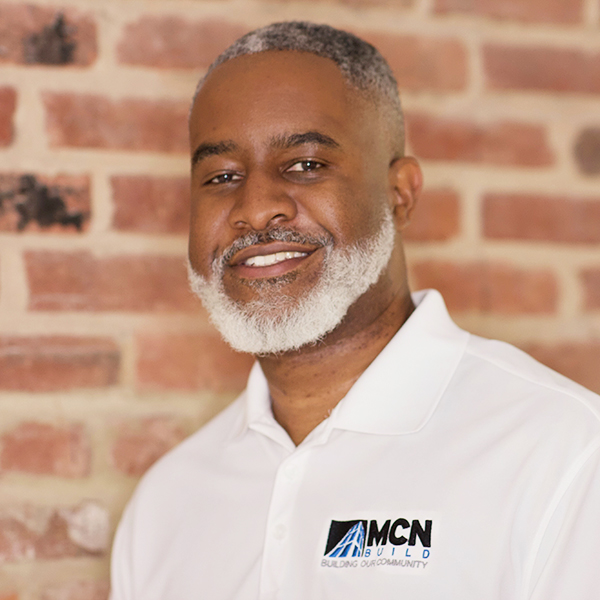 Rick Munford, Preconstruction, MCN Build
With 25 years of experience in the construction industry and a track record of delivering over $1 billion of work in the Mid-Atlantic region, Rick is a seasoned contract negotiator known for building and maintaining strong industry relationships. He collaborates closely with project teams to ensure clients receive cost-effective solutions by providing precise cost estimating, constructability insights, and value engineering from the conceptual phase through project completion. Currently, Rick is leading the preconstruction effort on PGCPS Blueprint Schools Phase 2, leveraging his expertise to drive efficiency, innovation, and seamless execution.
|
|
Integrating Agriculture into STEA(A)M Education: Amplifying a CTE School’s Mission |
|
|
Bowline (2nd Floor), PowerHouse Building
Bristol County Agricultural High School has a unique curriculum and mission as Massachusetts’ only agricultural-based career technical (CTE) school with a fully operational farm. When initially planning the project, the scope was limited to upgrading science classrooms and expanding the animal science program. However, seeing the opportunity to strengthen BA’s agricultural roots and further the mission of academic excellence rooted in science-based education and environmental stewardship, the project grew into a broader campus renewal that fosters interdisciplinary learning. This presentation offers a case study in how a renewed campus design can amplify a CTE school’s mission and support students as they pursue STEAM-focused careers in a dynamic, hands-on learning ecosystem. Through visioning sessions with school staff and administration, students, community representatives, and legislative officials, a transformative shift to a “STEA(A)M” model emerged, expanding STEAM (Science, Technology, Engineering, Arts, and Math) to include (A)griculture, and leveraging BA’s unique educational framework. After two years of operation, Superintendent Derek Costa remains committed to bringing the community’s vision to life and will provide insight into the campus renewal project and successes and challenges he has faced when preparing students for future careers in STEA(A)M fields. Bristol Aggie provides specialized career technical pathways in Natural Resource Management, Animal Sciences, Environmental Engineering, Arboriculture, Floriculture, and Landscaping while maintaining a strong foundation in core academic subjects like Math, Science, English, and Social Studies. Learning at BA extends beyond traditional classrooms, happening everywhere—from the new Center for Science and the Environment building to the campus-wide arboretum. Woven together with a variety of outdoor learning environments, the facilities allow hands-on, student-driven projects; prepare students for real-world challenges and opportunities; and strengthen the school’s partnerships with state and federal agencies to advance experiential learning and research.
Learning Objectives:
- Understand how interdisciplinary collaboration between academic and CTE programs can create innovative and impactful learning opportunities. Attendees will learn how integrating core academic subjects with hands-on, real-world agricultural education enhances student engagement and outcomes.
- Identify design strategies that promote sustainability and environmental stewardship in educational facilities. Attendees will explore how features such as green roofs, composting toilets, and flexible outdoor spaces enhance learning and environmental awareness.
- Recognize the importance of community engagement in shaping a school’s vision and fostering long-term success. Through the example of Bristol Aggie’s annual Fall Show and robust partnerships, attendees will understand how strong community ties can elevate educational experiences and outcomes.
- Explore how purposeful campus and building design can support equitable access, safety, and lifelong learning. Attendees will discover how accessible pathways, specialized lab spaces, and adaptable learning environments create inclusive and forward-thinking educational spaces.
Track: Educational Visioning
 Robert Williams, AIA, Principal, HMFH Architects
Bobby is a Principal at HMFH Architects and a leader in the career technical design space. With 18 years in the industry, Bobby brings experience managing notable CTE projects across New England. His practice focuses on engaging school communities to create learning environments that support their unique technical and programmatic needs, facilitate cross-discipline collaboration, and prepare students for successful careers in STEAM.
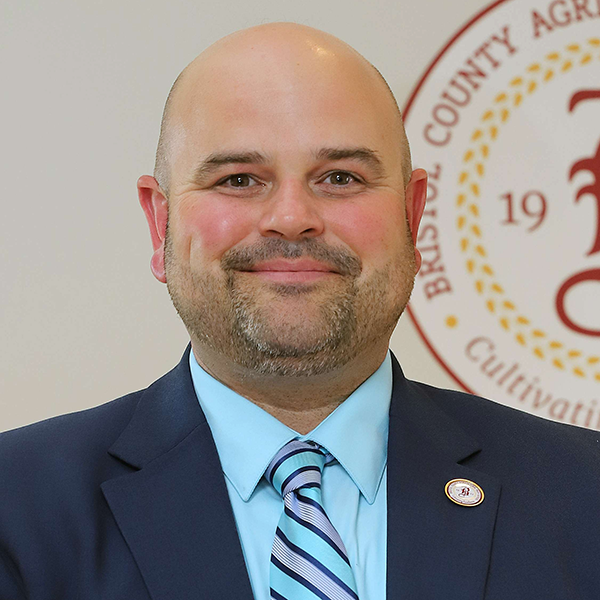 Derek Costa, Superintendent/Director, Bristol County Agricultural High School
Derek is a dedicated educational leader with over 25 years of progressive experience in supervision, strategic planning, and operational management. As the Superintendent | Director of Bristol County Agricultural High School since 2022, he oversees all aspects of district operations, policy implementation, and financial management, ensuring the institution’s continued growth and excellence. Derek holds a Master’s in Education Administration and a Bachelor’s in Psychology from the University of Massachusetts Lowell.
|
|
Bringing the Outside In: Designing Collaboratively to Provide a STEAM Oriented Middle School that is Fully Integrated into a Unique Community Setting
|
|
|
Sheet Bend (3rd Floor), PowerHouse Building
Named after the first Latina woman to go to space who helped construct the International Space Station and was the first Latina director and the second female director of the Johnson Space Center, Ellen Ochoa Middle School is a new 1,200 seat, Net-Zero facility that embraces a community park and has extensive STEAM focused assets and provides a new locus for an emerging community. We will explore the engagement process between Prince George’s County Public Schools, Maryland National Capital Park and Planning Commission, Grimm + Parker Architects, local residents and community groups to integrate into Glenridge Community Park, and provide flexible, collaborative learning environments, dynamic community use spaces, exciting middle school science and arts spaces, and outdoor learning areas in a vibrant architectural setting that celebrates the community and the new school’s connection with nature. The seminar will explore how inclusion flexible space configuration, future proofing of the design, the integration of dynamic and exciting school community spaces, and the integration of science and arts instruction has provided a facility that will serve this emerging community for the next 40+ years. The panel session will have an interactive question and answer period with participants to discuss specific scenarios encountered during the planning process and insights gained along the way.
Learning Objectives:
- Explore the creation of community and collaboration based-school spaces, and the creation of seamless transitions between interior and exterior in a public park setting.
- Analyze community connections, fostering equity by providing students with access to cutting-edge resources and first-class facilities, while benefiting the broader community.
- Examine the creation of dynamic, flexible and secure collaborative learning spaces using clear building organization and zoning, and natural building surveillance.
- Evaluate the concept of the creating a community school with integrated interdepartmental and inclusive spaces, while prioritizing sustainable practices.
Track: Design of Educational Facilities
 Jonathan Hill, Principal, Grimm + Parker
Jonathan has spent 27 years of his 33 years at Grimm + Parker Architects specializing in K-12 design throughout the state of Maryland. He is the studio manager for the K-12 practice at Grimm + Parker’s Calverton Office. He is a registered architect, LEED AP and ALEP. He is an expert in educational design and planning, K-12 solicitation and procurement, project management, construction administration and community engagement.
 Dana Doggett, Ed.D., Principal, Ellen Ochoa Middle School
Dr. Dana Doggett is the founding principal of Ellen Ochoa Middle School. He brings over 20 years of experience with Prince George’s County Public Schools to the task of leading this institution.
Hiwot Haileselassie, Project Manager, Prince George’s County Public Schools
Hiwot brought her extensive experience with architectural design and project management to this project coordinating with community groups, the contractor, the designers and the end users to bring this project to fruition.
|
| WEDNESDAY, MAY 7, 2025 | 1:30 – 2:30 PM |
|
Designing for Discovery: Planning for Hands-on STEAM Learning in Pre-K to Higher Ed Learning Environments |
|
|
Ballroom (1st Floor)
Imagine a classroom where students don’t just read about science—they create it. Where math isn’t just numbers on a page, but real-world problems to solve, combining math with art, science, technology, and more. What does this classroom look like? In today’s rapidly evolving world, interdisciplinary hands-on learning has become more than just a teaching method; it’s the key to preparing students for the challenges of tomorrow. This presentation will offer a comprehensive exploration of designing for hands-on learning, highlighting how it can be integrated in creative and effective ways across all levels of education. We will dive into a range of successful case studies that illustrate integrated STEAM (Science, Technology, Engineering, Art, and Math) learning, starting from Early Childhood Centers as children are beginning their explorations of the world, then through Elementary, Middle, and High Schools where more complex and interdisciplinary concepts can be applied in real-world contexts. Hands-on learning strategies continue to thrive and evolve in postsecondary education centers, as lifelong learners mature into adulthood. By exploring these diverse learning environments, the presentation will showcase the profound impact hands-on, experiential learning has on student engagement, retention, and success, while offering insights into how spaces can be designed to accommodate immersive learning.
Learning Objectives:
- Understand the Benefits of Experiential Learning: Gain insight into how hands-on learning strategies enhance student engagement, critical thinking, and foster deeper understanding across different educational levels, contributing to the overall development of students’ cognitive, emotional well-being, and real-world problem solving skills.
- Explore STEAM Integration at All Educational Levels: Explore case studies of successful STEAM integration from Early Childhood through Postsecondary education, identifying effective practices and outcomes that promote holistic student development, including health, safety, and emotional support in learning environments.
- Evaluate the Future of Education: Reflect on the future of education, considering how the continued integration of hands-on and STEAM learning approaches can prepare students for an increasingly complex and technology-driven world, while promoting social and emotional development and sustainable practices in educational environments.
- Apply Lessons to Diverse Learning Environments: Learn how to adapt successful hands-on learning strategies to suit different age groups, learning styles, neurodiversity, and educational settings, ensuring these practices contribute to creating safe, inclusive, and supportive learning spaces for all students.
Track: Design of Educational Facilities
 Marylee Mercy, ALEP, AIA, MCPPO, NCARB, Project Manager, Studio G Architects
Marylee, an ALEP-certified architect and 19-year veteran in design and project management, specializes in innovative solutions for educational projects. She loves creating cutting-edge learning environments that foster engagement, creativity, and collaboration. Marylee’s approach emphasizes student needs, functionality for educators, and cohesive design. She believes student-centered experiential learning is revolutionizing education and she is passionate about designing spaces that inspire the next generation of learners. Marylee is the current president of the A4LE New England chapter.
 Jay Doherty, ALEP, AIA, LEED AP, Principal, Lavallee | Brensinger Architects
Jay has over 25 years of experience designing and planning K-12 learning environments throughout New England. He is passionate about designing spaces for the next generation of learners and promoting hands-on experiential learning through sustainable design. Jay was one of the first LEED Accredited Professionals in NH and one of the first ALEP Certified Professionals in NH. Jay sits on numerous CTE Advisory Boards helping to shape current and future programs throughout New Hampshire.
|
|
Cabinet of Curiosities: Arts Integration in Education & Educational Environments |
|
|
Carrick Bend (1st Floor), PowerHouse Building
What transformative impact does integrating art into the school curriculum have on high school students? How do robust art offerings empower students to discover and embrace their unique talents, shaping their paths forward while fostering positive self-behavior and intrinsic motivation? How does a creative and supportive environment allow students to use art to develop an understanding of core academic subjects, collaborate with peers, accept differing perspectives, and cultivate empathy? Gain insight with real examples illustrating how art integration nurtures social and emotional learning in high school students and how it is vital in preparing students to become compassionate, well-rounded adults ready to thrive in society and tackle future challenges. This presentation will explore two case studies highlighting the value of embedding art into the curriculum and how it is integrated into existing school buildings. The first case study will spotlight a high school where art is what athletics is to most high schools. The second set will present curated examples across Rhode Island public school districts, showcasing studies of adaptations of current spaces for project-based learning.
Learning Objectives:
- Discover how art is not merely an enhancement but a vital ingredient in the school curriculum that significantly promotes social and emotional growth in students.
- Understand how art facilitates this foundational preparation and equips students for successful futures.
- What challenges do schools face when incorporating art into the curriculum, and how can they overcome them?
- Identify tangible constraints and opportunities for integrating art into existing school buildings.
Track: Educational Visioning
 Aarti Kathuria, K-12 Studio Leader, Brewster Thornton Group Architects
Aarti is a registered architect specializing in adaptive reuse in Rhode Island. With over 15 years of experience, she is dedicated to improving educational environments by transforming existing buildings to give them new life and incorporating solutions that support 21st-century learning environments. As the K-12 Studio Leader at Brewster Thornton Group Architects, Aarti directs the research and design of K-12 educational spaces, ensuring they inspire and empower the next generation of learners.
|
|
Greening Roofs, Growing Minds: A STEAM Approach to Environmental Education |
|
|
Bowline (2nd Floor), PowerHouse Building
Roofs are typically forgotten and drastically underutilized expanses atop school buildings, often only discussed as an unwelcome budget line item when they need maintenance or replacement. What if all that space could be converted into a valuable educational asset that simultaneously provides mental health and environmental benefits and saves your school money? Join us to learn how you can transform your school roof into a landscaped learning lab supporting student education, health, wellness, and social development. We will discuss best practices for designing and programming your green roof to maximize opportunities for interdisciplinary learning and hands-on STEAM experimentation, while avoiding expensive planning and implementation mistakes. Case studies of exemplary green roofs as well as feedback from students about their green roof educational journeys will be used to illustrate the ideas discussed.
Learning Objectives:
- Explore best practices in designing green roofs for STEAM education.
- Analyze how green roofs contribute to environmental and economic benefits for schools.
- Learn about essential safety design elements for new and retrofitted green roofs on school buildings.
- Understand how green roofs can be used to enhance students’ health and wellbeing.
Track: Educational Facility Pre-Design Planning
 Serena Losonczy, AIA, LEED AP, Senior Associate, FXCollaborative Architects
Serena has devoted her career to designing vibrant, sustainable environments for educational institutions. Her projects have won numerous awards, been featured in books on school design, and exhibited in the Museum of the City of New York. She frequently shares her knowledge through conferences, webinars and publications. Serena is President-Elect of the A4LE New York Chapter, Co-chair of the AIANY Education Committee and a Fellow of the Urban Design Forum.
 Vicki Sando, Educator, PS 41
Vicki is an educational green roof consultant, educator, curriculum developer, and author. She founded the award-winning GELL Project, a Green Roof Environmental Literacy Laboratory at PS 41—The Greenwich Village School. Ms. Sando also founded educationalgreenroofs.org, which provides information about the benefits of green roofs on school buildings. She is the Education Working Group Chair for the NYC Green Roof Researchers Alliance and a Kids Fight Climate Change board member.
|
|
A Place to Learn for All Students: The Role of Career and Technical Education in Enhancing the Student Experience |
|
|
Sheet Bend (3rd Floor), PowerHouse Building
Career and Technical Education (CTE) is transforming learning environments by reimagining program offerings, instructional spaces, and campus organization to enhance each student’s experience. Alexandria City Public Schools (ACPS) exemplifies this innovation through its Connected High School Network (CHSN), which addresses enrollment growth, equity, and the goals of its Equity for All 2025 Strategic Plan. At the center of this effort is the redesigned Minnie Howard campus, a hub for CTE that fosters dynamic, experience-based career preparation. The campus offers enhanced pathways tied to local industries in fields like renewable energy, aerospace, cybersecurity, and surgical technology, connecting students to real-world opportunities and workforce readiness.
Learning Objectives:
- Explore how active, experiential learning is reshaping educational environments.
- Increasing engagement.
- Boosting college and career readiness.
- Ensuring equitable access to programs that inspire and prepare students for success.
Track: Design of Educational Facilities
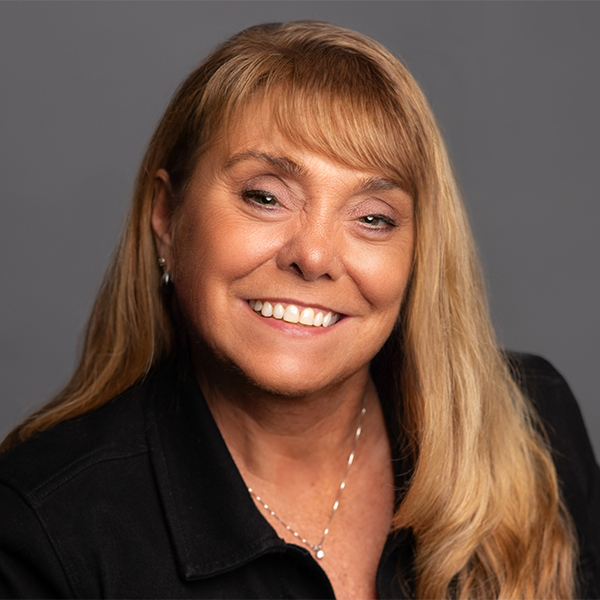 Tricia Jacobs, PhD, Career and Technical Education Director, Alexandria City High School
Dr. Jacobs has over 38 years of experience in education driving school improvement and reducing achievement gaps. As the Director of Career and Technical Education & Workforce Development for Alexandria City Public Schools, Dr. Jacobs has led initiatives such as Work-Based Learning programs, Academy model career pathway development, and partnerships with organizations like Milestone C, Amazon, Inova Hospital System, Northern Virginia Community College, Virginia Tech, Dominion Energy, and Washington Gas to create innovative educational opportunities.
Sean O’Donnell, FAIA, LEED AP, Principal, Perkins Eastman
Sean leads Perkins Eastman’s international K-12 education practice. He sees the school as the center of its community and brings together civic architecture, sustainable design, and innovative educational planning to create high-performing, inspiring places where students learn and grow. A global thought leader in education design and co-director of the Consortium for Design and Education Outcomes, a research partnership with Drexel University’s School of Education, Sean conducts innovative research and speaks about transformative, sustainable learning environments around the world.
|
| WEDNESDAY, MAY 7, 2025 | 2:45 – 3:45 PM |
|
Bridging Pathways: The Synergy of STEAM and CTE in High Schools |
|
|
Carrick Bend (1st Floor), PowerHouse Building
Resurgence of programs related to Career-Technical, Vocational and Arts Education are making a comeback and the trend of combining disciplines is shaking things up in K12 education. Public and independent schools are evaluating ways to merge these dynamic programs into their curriculum and looking at how facilities can support the evolution of teaching and learning. Panelists will share a case study of a recently completed Connecticut high school where integration of the combination of hands-on learning in Career-Tech and Arts strongly influenced building organization and design. Presenters will discuss the approach to meeting the needs of this high school program and will also explore how these hands-on experiences in the arts and sciences can be adapted for elementary and middle school aged students. Information will be shared about the goals that drove a clear vision about a program and facility that would maximize adaptability and creative interaction as the programs and curriculum evolved. Presenters will also review results from a formal first-year occupancy study, reviewing success of a range of design and operational strategies, discussing lessons learned, sharing insight on a process of ongoing teacher training and identifying how the project has advanced student well-being, academic achievement, and school culture.
Learning Objectives:
- How adaptability in design can pave the way for creative integration of new programs that pique the interest of students through thoughtful design and furniture selection.
- How the selected furnishings in the commons, learning neighborhoods and specialized classrooms has increased student engagement, diminished absenteeism, and supports agile STEAM and career prep environments.
- How to build interest at the primary school level to help grow and anticipate new programs at secondary education facilities.
- How post occupancy and exploratory data results influence administrative decisions in curriculum, space utilization and supporting personalized learning combined with career technical education for the future.
Track: Design of Educational Facilities
 Emily Czarnecki, NCIDQ, Principal, Lead Interior Designer, JCJ Architecture
Emily is an Principal and Interior Designer with JCJ Architecture. Emily has been an integral contributor to JCJ’s education practice group and has dedicated her 25-year career to understanding the influence of space and the built environment on student achievement and positive school culture. She collaborates closely with a broad range of stakeholders throughout the project process – starting with programming and extending through to final occupancy. In addition to her project work, she has presented regionally and nationally on topics related to design for education and has been a contributor to the National Design Alliance’s Reimagine America’s School initiative. Emily earned her Bachelor of Arts in Interior Design at the University of New Haven and holds a certification in Interior Design through the National Council for Interior Design Qualifications.
 James D’Amico, Principal, New Fairfield High School, New Fairfield Public Schools
James has been an educator in Connecticut for over twenty years with a passion for creating learning environments that foster student engagement and rigorous and authentic learning experiences. James began his career as a high school social studies teacher and has served in multiple capacities at the secondary level. While with the Westport Public Schools, James was a key member of the “Westport 2025” task force, which developed dynamic learning expectations in collaboration with Teachers College, Columbia University and engaged a broad set of stakeholders in the Westport community. In addition to presenting to Connecticut Boards of Education and Superintendents about this exciting initiative, James also helped write Connecticut’s Social Studies Framework and while Principal of Staples High School, developed the “Pathways Academy” to better serve school-avoidant students in a competitive, comprehensive high school and led the development of the school’s “Connections” advisory and community-building program. In New Fairfield, James has worked closely with his team and the community to develop College and Career Pathways opportunities, school-wide work in diversity and inclusion, and re-imagining the school’s alternative education program.
|
|
STEAM Powered Progress – Revitalizing Learning and the Central High School |
|
|
Bowline (2nd Floor), PowerHouse Building
New York State, the City of Syracuse, Syracuse City School District, and Onondaga County collaborated to launch New York State’s first Regional STEAM-focused high school, a transformative educational initiative designed to inspire innovation and connect students with real-world opportunities. Housed in the iconic former Central High School, this first of its kind Syracuse City School District STEAM School blends innovation with heritage. Open to students from SCSD and OCM BOCES component districts, this high school will integrate Science, Technology, Engineering, Arts, and Mathematics into a dynamic curriculum enriched by robust partnerships with the area's leading business and arts organizations. Through mentorships, internships, and job shadowing facilitated by industry leaders, students will gain hands-on experience in high-growth fields. This historically sensitive gem in the heart of downtown Syracuse also offers a uniquely inspiring environment for interdisciplinary learning. In partnership with the LaBella Associates and Vivid Interior Design teams, the District aligned cutting-edge STEAM programs with the celebration of historically significant spaces, leveraging community collaboration to shape a vibrant future for students and the region.
Learning Objectives:
- Understand the role of a dedicated Executive Director/Planning Principal for STEAM programs for a successful project.
- Learn how methods of community outreach can be used to identify high-growth programs for CTE and STEAM programming.
- Understand the challenges of fitting an innovative STEAM program in a historically sensitive building.
- Discover how an inter-disciplinary approach to learning can be supported through the built environment.
Track: Design of Educational Facilities
 Jeffrey Kloetzer, AIA, NCARB, Vice President & Architectural Regional Manager, LaBella Associates
Jeffrey has over 25 years of architecture experience with an emphasis on planning and design. As a project leader in the educational market, he has directed over $500,000,000 of construction projects. His project highlights include major renovations and additions for Buffalo Public, Utica City, Salamanca City and Syracuse City Schools. Jeffrey brings an inclusive approach to planning and design that includes administrators and educators in creating project vision and progressive solutions.
 Danielle Lewis, NYS CID, ALEP, IIDA, WELL AP, Senior Interior Designer, LaBella Associates
Danielle is a NYS Certified Interior Designer, Accredited Learning Environment Planner, and WELL Accredited Professional with over 10 years of experience. Born to a family of educators – she has always been deeply immersed in educational environments. She has worked on a variety of K-12 and higher education projects and strives to create spaces that prepare learners for graduation and beyond. Danielle is passionate about designing learning environments that enhance student success, joy, and well-being.
 Dr. Jody Francis Manning, MBA, Ed.D., Executive Director, Syracuse City School District (SCSD)
Dr. Jody Francis Manning is a seasoned educational leader with over 40 years of experience as a district and school superintendent, administrator, and teacher. He earned degrees from SUNY Buffalo, Syracuse University, SUNY Cortland, Le Moyne College, and St. John Fisher University. Recognized by NCERT and NYSAWA, Jody champions equity and innovation in education. As a leader of Central New York’s first STEAM High School, he drives workforce readiness through community-driven curriculum and student-focused initiatives.
|
|
Flourishing: Spaces for Creativity and Meaning for Young Learners |
|
|
Sheet Bend (3rd Floor), PowerHouse Building
Flourishing is framed as the ultimate, student-centered measure of success for education. Scientific studies bring evidence to bear on the question of how humans find meaning and enjoyment in their relationship to the world surrounding them. Our senses lay the groundwork for how and why experiencing certain places can offer pathways to amplify health and well-being. Through the lens of designing learning environments for young learners, this session connects evidence to practice, to consider the conditions under which students and school communities can flourish. A particular emphasis is placed on Career Technical Education (CTE) and its ability to prepare students for meaningful, practical careers while nurturing creativity and well-being. CTE programs thrive in environments that blend hands-on learning with sensory-rich, inspiring spaces. These environments not only equip students with technical skills but also foster cognitive development, social connection, and emotional well-being. How can our built learning environments support and build human strengths, enhance well-being, and nurture creativity? The urge to play exists in all of us and is critical to cognitive development and emotional well-being. Designing environments that support play, engender creativity, nourish the senses, and foster social connection is imperative to impacting the lives of students and educators for years to come. For CTE, these spaces must also accommodate the diverse needs of hands-on, collaborative, and industry-aligned learning. Places and spaces that inspire a sense of wonder for students and educators alike are urgently needed as our built environments have a cumulative effect on our brains and our experiences. Educators, Learning Space Designers, and Researchers will share perspectives on spatial strategies and typologies that can lay the foundation for flourishing by making meaning, inspiring creativity, and preparing students for real-world opportunities. Join us to engage in open dialogue at the end to discuss bridging pedagogy, Career Technical Education, and architectural practice to create places where children learn, grow, and flourish.
Learning Objectives:
- Understand key factors contributing to human flourishing, including how CTE programs can enhance student engagement, skill development, and overall well-being through practical, hands-on learning.
- Understand student success, connecting research on vital engagement, sensory design, and learning with the unique needs of CTE environments that prepare students for meaningful careers.
- Identify spatial strategies, key priorities, and behaviors needed for learning and development in support of well-being, with a focus on how spaces can support CTE programs by fostering collaboration, innovation, and technical skill mastery.
- Understand the benefits of play, maker, active, and informal learning environments on young learners, with an emphasis on how these environments align with CTE principles to inspire creativity, foster problem-solving skills, and prepare students for industry-relevant opportunities through case studies, lessons learned, best practices, and educator perspectives.
Track: Design of Educational Facilities
 Leah Wettstein, ASID, CID, IIDA, NCIDQ, Principal, Hord Coplan Macht
As leader of HCM’s ID studio, Leah brings an in-depth understanding of how to create spaces that are flexible, timeless and reflect the unique culture and brand of each client. With an emphasis on creating successful academic and workplace environments that address her clients’ unique and evolving needs, Leah has extensive experience developing creative solutions through strategic programming, space planning, interior architecture, as well as selecting furniture and finishes for academic, corporate, healthcare and hospitality projects.
 Steven Orlansky, AIA, LEED AP, Principal, Hord Coplan Macht
Steven is recognized for his commitment to designing inspiring learning spaces for children and young adults, and living and gathering spaces for students and communities. He has been privileged to contribute to challenging projects for public school districts in the Northeast and mid-Atlantic regions. A frequent participant on school and community organization boards of directors and building committees, Steven is very capable in understanding and offering deep insight into the needs of the organizations he serves as an architect, and aligns the focus of architectural projects he leads with each client’s institutional mission and vision.
 Adele Willson, Principal, Hord Coplan Macht
Adele joined Hord Coplan Macht in 1984 and leads the office’s practice for K-12 schools and during her 35+ years of experience, has worked with all levels of public schools throughout the state related to programming, master planning, and design of their facilities. She is passionate about designing high performing beautiful schools that meet the needs of 21st Century learners.
|
| THURSDAY, MAY 8, 2025 | 9:00 – 10:00 AM |
|
Building Safety Inside and Out: Design Strategies for Physical and Emotional Security in Schools |
|
|
Ballroom (1st Floor)
Abstract Safety in schools extends beyond physical measures; it encompasses emotional security and a supportive environment for students and educators alike. This session, “Building Safety Inside and Out: Design Strategies for Physical and Emotional Security in Schools,” will explore the interplay between architectural and design strategies and trauma-informed practices to create holistic learning spaces. Participants will gain insights into integrating physical safety measures with design elements that foster emotional well-being, transparency, and flexibility. Drawing on real-world project examples, the presenters—an architect and an educator—will share practical, actionable approaches to balancing safety and openness. The session will include interactive elements to engage attendees and highlight innovative strategies that address the evolving needs of educational environments.
Learning Objectives:
- Identify best practices for enhancing physical safety in schools that address the unique challenges of the modern world, including technology integration and spatial planning.
- Understand key trauma-informed design elements that create environments fostering emotional well-being and positively impact students and educators.
- Analyze real-world design strategies from case studies that effectively balance physical security with emotional support and openness.
- Develop an actionable design plan that incorporates holistic safety principles, ensuring both physical and emotional security in future school projects.
Track: Design of Educational Facilities
 Michael Kelly, ALEP, AIA, LEED AP, Principal of Project Development, KCBA Architects
A designer and project architect since joining KCBA in 2006, Mike has played a central role in shaping many of the firm’s high-profile projects with a special focus on educational and religious initiatives. As Principal, he maintains a strong project portfolio while helping to lead KCBA’s strategic planning and business development efforts. His background features a wide array of district facilities planning initiatives as well as the design of new and renovated school buildings of all sizes, contexts, and grade levels. He is currently serving as a member of the School Safety and Security Committee within the Pennsylvania Commission on Crime and Delinquency. Established by Act 44 of 2018, the committee serves to improve education and enhance resources related to security planning for schools throughout the Commonwealth of Pennsylvania. Mike serves as the sole architectural representative on the committee and brings extensive knowledge of the latest facility strategies and operational trends in K-12 schools. Mike holds a Bachelor of Architecture degree from Syracuse University.
 Linda Gail Walker, Executive Director of Innovation and Impact, Meteor Education
Linda Gail, with a comprehensive educational background and over three decades of experience in various roles within education, is dedicated to promoting alignment, engagement, and active participation among educators to enhance student success. She possesses extensive expertise in Social-Emotional Learning and Trauma, demonstrated by her founding role in Community Partners of the Central Plains and her lead co-authorship of trauma readiness courses. Currently serving as the Executive Director of Innovation and Impact at Meteor Education, Linda Gail collaborates with schools and districts to leverage ProSocial Learning Environments™, prioritize relationship-building, and implement sustainable practices to address educational disparities and support personalized journeys towards success.
|
|
Creating Immersive CTE and STEAM Environments for Students |
|
|
Carrick Bend (1st Floor), PowerHouse Building
CTE isn’t just the old school vocational program anymore. How does a school keep up with the demanding changes and fast paced environment of CTE and STEAM? Are you creating or renovating CTE spaces like Agriculture, Robotics, Medical, Esports, hospitality, and others? How can you design these spaces to ensure they are flexible and future ready? Let us share elements of learning environment design that will help think out of the box on these new designs.
Learning Objectives:
- This will provide attendees with the ability to take this knowledge to stakeholders to improve current programs and build new ones that are fit to industry standards.
- Learners will understand the needs within innovative CTE and STEAM spaces.
- Learners will connect trends in industry to trends in this educational space.
- Learners will be able to call out the needs of today's students .
- Learners will be able to apply specific enhancements to CTE spaces that will improve and innovate both current and new spaces.
Track: Educational Visioning
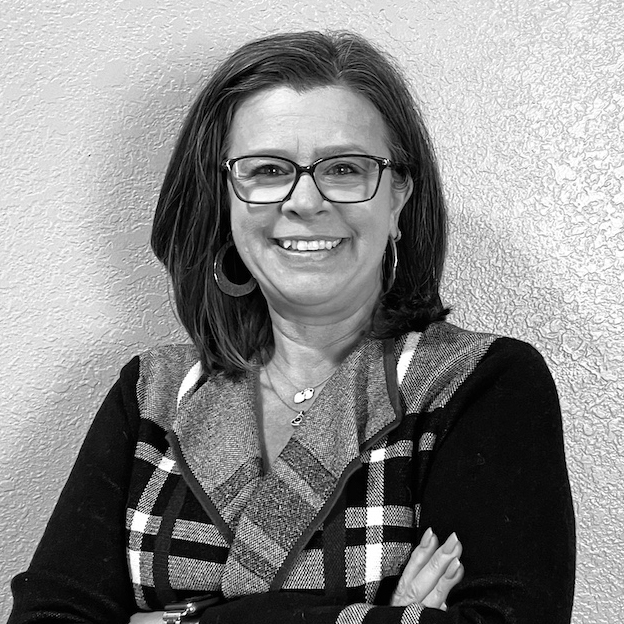 Sue Ann Highland, PhD, National Education Strategist, School Specialty
Dr. Sue Ann Highland is the National Education Strategist for School Specialty. She is a retired building and district administrator with over 25 years’ experience working with schools and districts across the country. As a growth and improvement expert and Industrial/Organizational Psychologist, she has extensive experience in developing professional development and systemic change initiatives. She has held positions such as consultant, Director of Curriculum and Instruction, Principal, Federal Programs Director, and CTE Director with a specialty in turn around and improvement. She has worked with public, private, and charter organizations throughout her career. As an Industrial Organizational Psychologist, her passion is helping people and processes come together. She has provided coaching and consulting for districts in the areas of recovery from crisis, brain-focused instruction, collaborative learning, high risk instruction, Career and Tech Education programs, writing, and reading instruction among other topics. Over the last seven years, she has had the opportunity to marry that district experience with work in instructional environments. She has the expertise to bring a district’s vision for teaching and learning and the physical environment together to create the most impactful spaces for students.
Kathryn Pagano, Regional Sales Manager, Haskell Education
Kathryn is a Regional Sales Manager at Haskell Education. Haskell Education is a furniture manufacturer who specializes in solutions for Project Based learning environments. She has over 20 years’ experience in the education market. Having been a child who could not sit still, Kathryn now enjoys designing active learning environments for all students. She has helped colleges and K thru 12 schools create a dynamic learning environment like STEAM, Makerspaces and Engineering Labs. Kathryn is an avid equestrian who believes that animals help make better humans.
|
|
Community-Based Visioning and STEAM Charter Schools |
|
|
Bowline (2nd Floor), PowerHouse Building
Encouraging creativity and innovation, the integration of the arts into the traditional STEM model contributes to academic success in the classroom and plays a crucial role in developing the next generation of innovators. Our panel, comprised of Beth Emig, Senior Associate and Matt McChesney, Partner of KSS Architects, alongside video interviews from University Academy Charter High School (UACHS) and New Hope Solebury School District (NHS), will explore the process of designing interdisciplinary learning spaces for each school’s inaugural STEAM program. We will delve into the best practices for creating environments that foster an interdisciplinary approach to learning, using the hands-on, inquiry-based program at New Hope-Solebury School District’s STEAM lab as an example. We will present the design and development process for UACHS’s STEAAM suite which included a benchmarking tour of NHS’s STEAM Lab, offering a window into their successes and lessons learned and fostering an innovative dialog between our clients’ school leaderships. Coined as the STEAAM suite, incorporating Art and Agriculture, UACHS’s space design were informed early on by student and staff engagement. Engagement exercises brought to light the entrepreneurial and artistic spirit of the students, highlighting passions for different types of learning and activities. Building in physical moments to foster curiosity and collaboration pushed the development of the curriculum and allow for diverse experiences and program opportunities. Existing facility assets can be transformed into their best and highest use by investing in innovative cross-curricular STEAM programming. These strategic renovations showcase how STEAM enhances school programming, attracts high-caliber students, and prepares students to thrive in an increasingly complex and innovative world.
Learning Objectives:
- Demonstrate how early, hands-on engagement with students during the design phase informs design choices that create an inclusive and collaborative environment in the space.
- Highlight best practices on how incorporating student feedback gained during the design phase enhances diverse curriculum programming and meets long-term goals of the school.
- Understand how students experience interdisciplinary spaces through benchmarking and interviewing other charter school’s STEAM programming.
- Illustrate how design strategies for renovating existing facility assets can enhance school programming and sustainably manage a limited budget.
Track: Educational Visioning
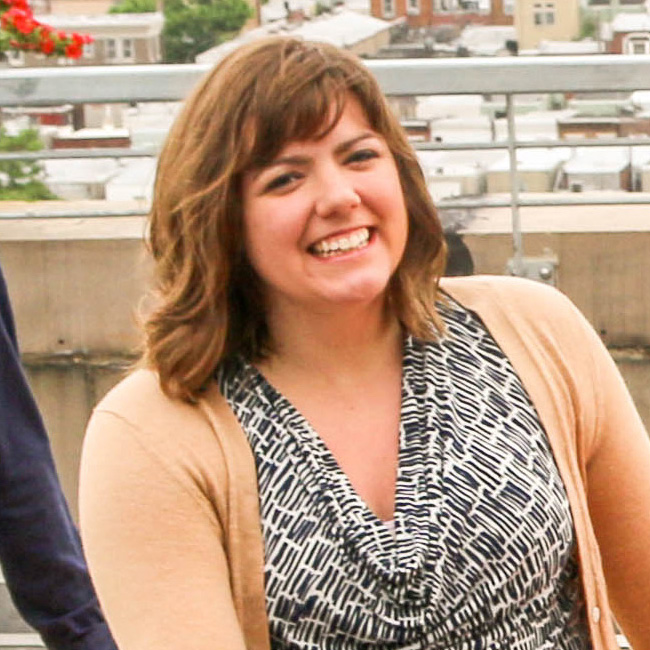 Beth Emig, AIA, Senior Associate, KSS Architects
From initial visioning and programming through project execution, Beth balances each clients’ values and project goals with follow through in the details. She thrives when working collaboratively with clients to understand their needs and the hidden design potential in the constraints and opportunities of each project, across a broad range of scales from new campus projects to impactful community installations. Beth believes deeply that the power of good design can make real impact on everyday experiences, learning outcomes, and building community. Understanding the importance of deep team collaboration and communication to project success, Beth’s approach to project delivery drives effective design solutions fulfilling each project’s unique goals.
 Matthew McChesney, AIA, LEED AP, NCARB, Partner, KSS Architects
Clients know Matt for his ability to listen to their needs, understand their values, and create spaces where they can maximize their potential. As he leads projects from design to construction, he strives to balance the client’s objectives with the demands of budgets, site restrictions, and scheduling. Matt is a powerful force in the K-12 community—he is a trusted advisor to many, helping to build community and facilitate education pedagogy, thereby empowering students to succeed and neighborhoods to flourish. With all projects, he strives to integrate both simple and complex systems that minimize architecture’s impact on the environment and help preserve resources for future generations.
|
| THURSDAY, MAY 8, 2025 | 10:00 – 11:00 AM |
|
Building for the Future: District Insights on Facility Planning and Design Panel Discussion |
|
|
Ballroom (1st Floor)
Join us for a dynamic panel discussion where district leaders will share their insights on capital improvement planning, innovative learning environments, and the evolving needs of K–12 educational facilities. Each panelist will offer a brief overview of their district’s five-year capital improvement plans, followed by a deeper dive into design strategies supporting academic programs such as STEAM, Career and Technical Education (CTE), and Special Education.
We'll explore how districts are bridging the gap between initial construction costs and long-term maintenance, discuss preferred construction delivery methods, and uncover the rationale behind these choices.
In a forward-thinking twist, panelists will also reflect on how organizations like A4LE can better support educational leaders in shaping effective, student-centered learning environments.
To close, our panelists will entertain a hypothetical—but telling—question: If you found a genie in a bottle, what three wishes would you make for your district? Their answers promise to inspire, entertain, and shed light on what really matters in shaping the future of education.
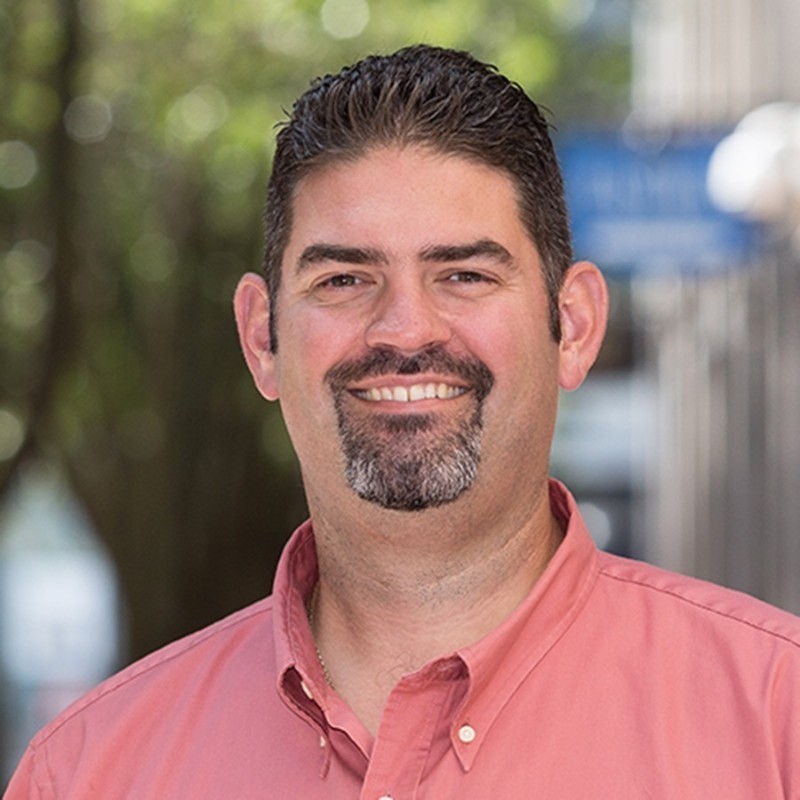 David J. Phelps II, AIA, CSI, Senior Architect, Greece Central School District
Dave brings over 20 years of experience in educational facility planning and design to the panel. For nearly two decades, Dave served as a Senior Project Manager at a Rochester, NY-based Architecture/Engineering firm, where he led capital improvement projects ranging from $5-$75 million for school districts across New York State. Now the District Architect at Greece Central School District, a Rochester suburb, Dave is currently instrumental in planning their $73 million capital project, alongside numerous smaller district initiatives. Passionate about fostering innovative and effective learning environments, Dave offers valuable insights into the unique challenges and opportunities of district-level facility development.
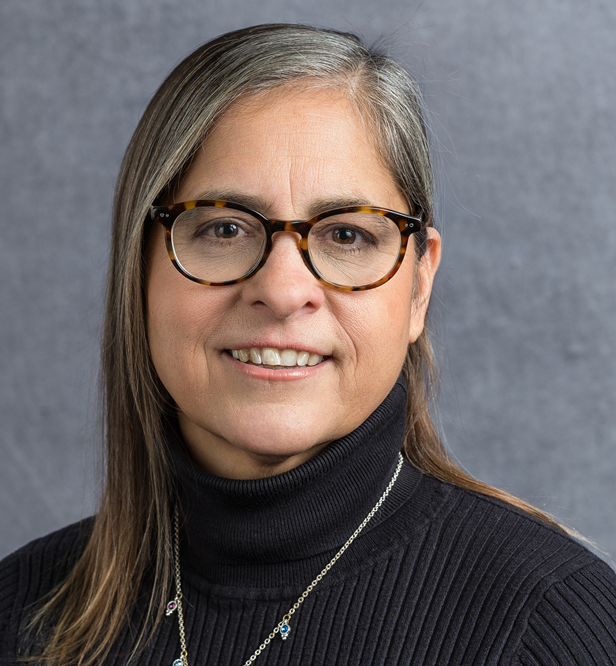 Robin O’Hara, REFP, Senior Planner, Montgomery County Public Schools
Robin has over 30 years of educational planning experience, and is passionate about creating better learning environments for all students. Currently, Senior Planner for Montgomery County Public Schools, she has also worked for the District of Columbia Public Schools, Arlington Public Schools, and Fairfax County Public Schools. In addition, Robin worked for Fanning Howey, as a project executive on K12 projects including education adequacy assessments, capacity analysis, capital and master planning, enrollment projections and demographic analysis, education specifications, community engagement, and programming buildings. In 2012, Robin founded ROSE Planning and Design, an educational planning and design consulting company. She has worked on K12 projects across the country.
 Jo Anne Murray, AIA, School Facilities Architect, Education Office of School Facilities, Maryland State Department
Jo Anne is a school facilities architect with over 50 years of experience in the design and construction of educational facilities. She currently works at the Maryland State Department of Education Office of School Facilities, where she provides guidance on new schools, additions, and/or renovations, to ensure that the spaces support the educational program and promote health and safety of the students, staff, and community. Another responsibility of the Office of School Facilities is to research and author Facility Design Guidelines, of which Special Education is her specialty.
Shuchita Warner, Director of Planning and Construction, Calvert County Public Schools
As Director of Planning and Construction, Shuchita oversees long-range planning, design, and construction for Calvert County Public Schools, which includes 26 buildings and 2.5 million square feet of space. An advocate for school design that supports the diverse needs of all learners, Shuchita has served on the Board of the Chesapeake Bay Delaware Valley chapter of A4LE. Currently, she is on the professional development committee of the Maryland Association of School Business Officials.
 Cayla J. Campbell, ALEP, MBA, Facility Planner, Wicomico County Public Schools, Facility Services, Planning + Construction
Cayla is a Facility Planner for Wicomico County Public Schools, one of the larger public school systems on the Eastern Shore of Maryland with over 15,000 students housed in 24 buildings across 2.2M square feet.
Cayla is a dedicated professional and experienced educational Facility Planner providing support in all matters related to educational facility project planning and capital budgets including organize, plan, develop, administer, and maintain the Capital Improvement Program (CIP & EFMP) for the school system. She works with A/E/CM firms on project designs and the development of project documents – educational specifications, feasibility studies, schematic plans, designs, construction documents, specification, scopes and budgets. She often serves as the liaison between school-based staff and the design team, coordinating funding and facility issues with the State.
A graduate of the A4LE Advanced Academy Cohort 8, the ALEP accreditation expanded Cayla’s industry expertise and allows her to collaborate with professionals across the Country who are equally dedicated to improving learning environments. Insightful discussions paralleled course content and directly correlated to the issues she is facing in the planning and design world of K-12 education.
Recognized for analytical and research skills as well as the ability to prioritize and manage multiple projects and deadlines. A self-starter and strategic thinker who works well independently and on teams. A dedication to student focused design provides Cayla with purpose as she aims to improve the learning environments of children today and for years to come.
 Courtney TerVelde, Senior Interior Designer, LaBella Associates
Courtney is a NY Certified Interior Designer, Accredited Learning Environments Planner, and LEED Green Associate, serving her role as a Senior Interior Designer at LaBella Associates in Rochester, NY. She holds an ASS in Sociology from Los Angeles Community College and a BFA in Interior Design from Rochester Institute of Technology. In her 13 years in commercial Interior Design, she has dedicated the last 9 to focus on educational design through extensive Master Planning, Capital Improvement Projects, and programming.
As a member of the NY chapter of A4LE, Courtney has served as President of the chapter (is currently past President) and will be President-elect of the North East Board 2026.
Her passion lives in creating future forward learning environments that stimulate students and educators alike. Dedication, respect, observation, and intuition are a few words she would use to describe her approach to design as well as work ethic. When not at work, Courtney enjoys reading, being outdoors, going to concerts, and spending time with her loved ones.
|