| TUESDAY, APRIL 8, 2025 | 1:30 – 2:30 PM |
| Pivotal Balance for Innovation: Barton Elementary Reimagining the Smart School |
|
Cottonwood Ballroom
In an era demanding both technological advancement and student wellbeing, how do we create schools that truly serve our learners? Barton Elementary’s journey demonstrates a thoughtful approach to balancing competing priorities in modern school design. This session explores how Irving ISD and Huckabee Architects collaborated to evolve the “smart school” concept beyond technology integration, creating spaces that nurture both digital literacy and human connection. This design resolved a complex challenge: integrating cutting-edge technology while maintaining strong connections to nature and community. Through careful stakeholder engagement and innovative design solutions, Barton Elementary emerged as a model for balanced educational environments. The project highlights how intentional progression of spaces, biophilic design strategies and flexible learning environments work together to support current diverse learning needs, while forming future ready students. Unlike traditional case studies, this session brings together the actual project team to share authentic insights about their collaborative process, challenges resolved, and solutions being implemented. As the project moves from design to reality in Irving ISD, attendees will gain valuable insights into how innovative concepts are translated into constructible solutions. The team will share their decision-making framework, stakeholder engagement strategies, and methods for maintaining design integrity while navigating real-world constraints.
Learning Objectives:
- Analyze how the spatial progressions concept will support student development across grade levels.
- Implement strategies for balancing competing priorities in school design through examination of real project decision points.
- Evaluate methods for integrating biophilic design elements with technology to enhance learning environments.
- Apply collaborative design processes that successfully engage diverse stakeholders in complex and innovative educational projects.
Idaliza Camacho, AIA, NCARB, Principal, Huckabee
As an architect and Principal at Huckabee Architects with over 20 years of experience, Idaliza has led innovative projects like Barton Elementary School for Irving ISD. Her career, which began in Puerto Rico where she was recognized as a Distinguished Woman in Construction, spans award-winning institutional designs. With degrees from the University of Puerto Rico and registrations in Texas and Puerto Rico, she believes in creating spaces that reflect people’s aspirations while mentoring the next generation of architects.
Magda A. Hernández, Superintendent, Irving ISD
Starting as a bilingual aide in 1993, Magda rose through Irving ISD’s ranks to become superintendent in 2018. Her journey from classroom teacher to district leader exemplifies dedication to education. A champion of employee wellbeing, she established the innovative Professional Learning and Wellness Center, recently named in her honor. This proud mother of three Irving ISD graduates continues to transform the district with her vision of nurturing both students and staff.
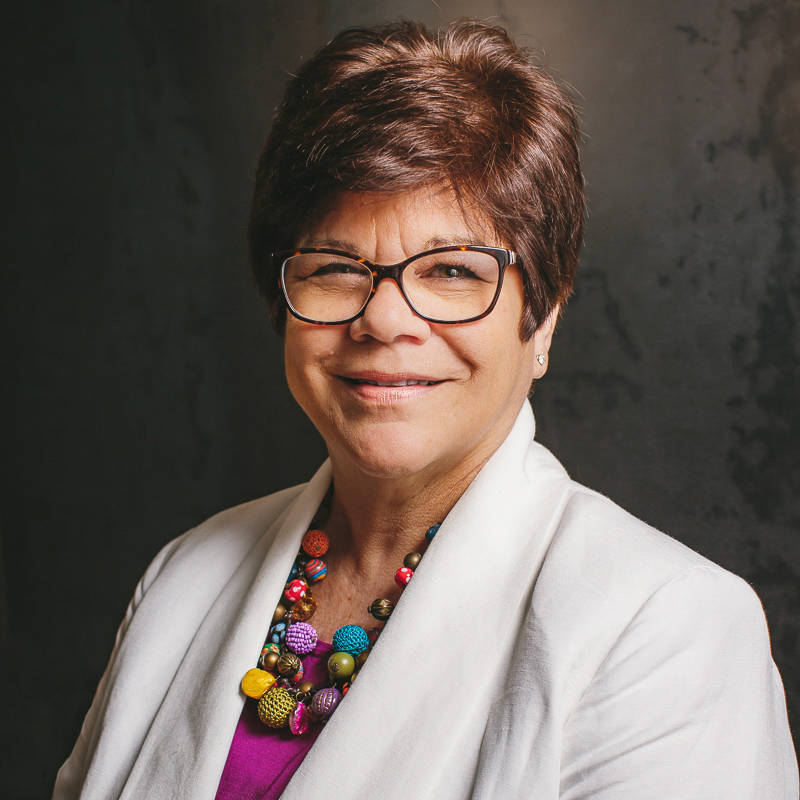 Holly Teague, Director of Planning, Huckabee
Holly is a resource for clients at Huckabee; she specializes in curriculum development and programming. She is a former teacher and principal and served in these roles for nearly 20 years before moving into administration as a Chief Academic Officer. Holly works in collaboration with school districts and our project teams to help plan for and evaluate instructional programs and how they are represented in design. She brings a unique perspective that is wholly focused on the educator.
|
| Building Future Builders in Our Construction Programs: Tipping the Scales for CTE |
|
Texas 7-8
How can we transform learning spaces to ignite the passion for careers in architecture and construction while addressing workforce shortages in these critical industries? In this dynamic session, an architect, contractor, educator, and school district leader will explore innovative strategies for designing environments that foster technical skill development and career awareness for both students and educators. Participants will gain insights into how purpose-driven design can bridge gaps between education and industry, creating pathways to inspire the next generation of architects and builders. The panel will delve into the power of externships and internships as recruitment tools, showcasing successful programs that have provided students and teachers unparalleled access to industry expertise and hands-on experiences. Additionally, the session will address the challenges that hinder collaboration between school districts and the construction and architecture industries, offering actionable solutions to overcome these barriers. Attendees will leave equipped with practical ideas for fostering partnerships, designing impactful learning environments, and cultivating the skilled workforce of tomorrow. Join us to reimagine how to work together to tip the scales on student experience and performance.
Learning Objectives:
- Articulate how CTE programs can integrate with construction and building maintenance programs.
- Identify ways to design and leverage spaces to integrate construction and educational operations.
- Discuss practical ways for districts and contractors to overcome obstacles that prevent extending externships, internships, and practicums for awareness and skill development of teachers and students.
- Identify opportunities to support the integration of CTE students and teachers in all design, construction, and maintenance phases for stronger career preparation programs.
 Gloria Barrera, Director Construction and Facilities, Waco ISD
Gloria career includes experience in every facet of the design and construction business. She started in the roofing business, moved into commercial development and owner representation, on-site construction supervision and quality control, facility planning and program management. Gloria has presented at state and national conferences on facility related topics since 2003. She served as CEFPI (A4LE)Southern Region President in 2005.
Meredith Watassek, Education Planner, Stantec
Meredith joined Stantec as an Education Planner after more than 24 years in Education. The last nine years of her career as an educator, she served as Director of Career and Technical Education (CTE) for the sixth largest school district in Texas. Meredith has guided dozens of Stantec clients through the engagement process on projects while simultaneously leading planning and specifications development for future academic spaces. Before joining Stantec, Meredith oversaw Stantec’s design and execution of the James Reese Career and Technical Education Center for Fort Bend Independent School District in Sugar Land, TX, defining program and project scope for the new facility. She has taught at all grade levels in K-12, studied marketing in college and completed a year of coursework in the interior design program, holds a master’s degree in educational leadership, and, in addition to her work on our education projects, she leads Stantec’s Research + Benchmarking program.
Brandon Meyer, President Operations, Joeris Construction
Angela Taylor, Executive Director, Construction Career Collaborative
|
| An Architect, An Educator, and A Student Walk into a BBQ Joint... |
|
Wildflower 1-2
Imagine walking into a cozy BBQ joint, the aroma of delicious food filling the air. The atmosphere is relaxed, buzzing with anticipation. As you settle in with a plate, you feel the warmth and camaraderie of friends ready to share ideas. In this session, we aim to recreate that spirit of thought-provoking conversation. We will use the educational best practice of metacognition (thinking about one’s thinking) through formative assessment focused on topics that often serve as problems to solve. This session will foster an environment where everyone feels comfortable considering and sharing their perspectives while developing solutions to common project issues. Participants will actively contribute with concrete strategies and connections to their own current projects. Our call to action for attendees is to develop solutions to problems and create school environments that are not only functional and cost-effective but also inspiring and supportive of the diverse needs of the educational community. Just like a great BBQ, each contribution will add a unique flavor to our discussion.
Learning Objectives:
- Explore how collaboration between educators, school operations and architects can be leveraged to bridge perspectives and enhance problem-solving and decision-making in educational settings.
- Learn how to use formative assessment techniques to identify and address common project challenges while keeping the students as the driving force.
- Engage in collaborative discussions to develop actionable strategies for creating functional, cost-effective, and inspiring learning environments.
- Integrate session insights with their own projects and leave with practical takeaways that foster meaningful connections between the session content and creating dynamic educational spaces.
Steven Alves, Assistant Superintendent of Operations, Del Valle Independent School District
Steven currently manages over two million square feet of educational space and the five operations departments with a focus on providing dynamic service to support all stakeholders in the purist of educational success. Before transitioning to the current role, Steven served as a teacher, coach, department lead, and athletic coordinator, director of facilities and executive director of operations in several school districts.
 Heather Rule, AIA, Senior Project Manager, Pfluger Architects
Heather is a Senior Project Manager at Pfluger Architects focusing on the K-12 education market. Her commitment to creating environments where learners can thrive drives her to approach every project with passion and purpose. As the team champion of the Psychology of Design Research & Benchmarking team at Pfluger, Heather integrates innovation with practicality through research and application. Known for her collaborative spirit, she actively engages with teams to create meaningful experiences.
Brenda Swirczynski, MSc, ALEP, Educational Facilities Planner, Pfluger Architects
Brenda is a lifelong educator with 30+ years of experience. As a classroom teacher, outdoor educator, and university instructor, she has collaborated with varied audiences on multi-disciplinary projects. Her accreditation as a Learning Environment Planner provides insights supporting the client's educational goals, visionary, and concrete examples to bridge educational goals with physical space. The heart of her role as Educational Facilities Planner at is a commitment to supporting learners and those who stand by them.
|
| TUESDAY, APRIL 8, 2025 | 3:00 – 4:00 PM |
| Learning Community Design, The Why, What and How Supported by Research |
|
Cottonwood Ballroom
How do you prove the effectiveness of learning community design for student and teacher engagement? Through the lens of MacConnell finalist Capps Middle School, hear how the neighborhood design supports an inquiry-based curriculum. This session covers lessons learned from the post occupancy survey of 579 students and 78 teachers/staff on their perceptions and use of the learning environment, collaboration with others, levels of comfort, and more.
Learning Objectives:
- Understand how the change management process improved organizational performance at Capps Middle School.
- Realize how research-informed design is what’s driving the transformation of learning environments.
- Discover the effectiveness of small learning community design for student and teacher engagement.
- Be able to define the difference between ‘research’ and ‘empirical research’ while recognizing the latter is the power behind Evidence-Based Design
 Marilyn Denison, Ed.D, Educational Learning Designer, DLR Group
Marilyn brings a unique perspective to DLR Group, having served as an educator and district administrator for more than two decades. Her experience includes leading campus planning, professional learning, and developing curriculum for districts that serve 10,000 to 38,000 students. She has opened multiple campuses with innovative learning environments, and as a result she understands the value of building a team, creating a unique culture, and forming teacher mindsets to inspire new pedagogy.
Dr. Fred Rhodes, Superintendent, Putnam City Schools
Dr. Fred Rhodes became is currently superintendent of Putnam City Schools. He holds a doctorate in Educational Administration from Oklahoma State University, a master’s degree in Counseling Psychology from the University of Central Oklahoma and a bachelor’s degree in Elementary Education from Oklahoma Christian University. He has been recognized as a “National Distinguished Principal” by the National Association of Elementary School Principals and Assistant Superintendent of the Year by the Oklahoma Association of School Administrators.
|
| Weighing the Options: Navigating What’s Next for Ageing Campuses |
|
Texas 7-8
HEB ISD’s two ageing high schools were both in need of a complete transformation at the same time. These two very different campuses – one an open campus of small, dispersed buildings, and one a dense structure on a limited site – required modernization to align the learning environment with future-ready education needs, support student and staff wellbeing, and provide a safe and welcoming campus at the heart of each school community. Working in close partnership, HEB ISD and Corgan weighed the option to renovate or replace the campuses, ultimately deciding on replacement. Engaging in an extensive visioning effort, HEB ISD worked to build stakeholder support within the community and pass a bond that would provide the funding needed to completely replace their two active high school campuses through a phased approach. This community input guided a complex planning and design endeavor to develop a unique design for each school and a construction approach that would provide safe, operational campuses during construction and yield future-ready campuses at completion. Join HEB ISD and Corgan to gain key insight on evaluating aged facilities, navigating complex decision-making, effective community engagement strategies, and planning strategies from bond to design that maximize opportunities for campus transformation.
Learning Objectives:
- Gain an understanding of key indicators that an aged campus is in need of replacement.
- Take away effective strategies for planning and passing large bonds, including effective communication and engagement with school communities.
- Understand the complexities of designing and building a replacement campus on an active school site.
- Utilize a collaborative approach to decision-making to navigate the complexities of planning, design, and phasing while maintaining a focus on community goals.
Keith Cummins, Senior Project Manager – Vice President, Corgan
Keith appreciates the trust built with clients through deep interpretation and understanding of their design goals. His strength in empathy pushes him to connect on a deeper level with clients. As a Vice President of Corgan and a Senior Project Manager, Keith provides day-to-day guidance in design direction, clear communication, and hands-on management of resources. Anticipating and developing solutions for districts, Keith provides technical and creative solutions in design and planning.
Josh Minor, RTSBA, Executive Director of Facilities & Construction Services, HEB ISD
Josh is an experienced Executive Director of Maintenance and Operations with a demonstrated history of working in the education management industry; K-12, higher education, and commercial maintenance. Josh is skilled in negotiation, knowledgeable of trades and requirements, operations management, facility management (FM), construction, and renovation. Strong operations professional with a Bachelor of Applied Science (BASc) focused in Applied Behavior Analysis from University of North Texas, and additional studies in architecture and business.
|
| Solving the Insolvable: Collaborative Strategies for Complex Challenges in School Projects |
|
Wildflower 1-2
Have you ever faced an instance in a school project where the challenges felt insurmountable—tight timelines, conflicting requirements, or limited resources? Even the most skilled and experienced professionals can feel overwhelmed when managing highly complex or "wicked” or unsolvable problems that test collaboration, creativity, and resilience. These challenges often stem from jurisdictional constraints, budgetary pressures, or unforeseen issues impacting student success, school operations and safety, site development, or community perception. Such problems not only jeopardize project success but also strain relationships among stakeholders, including school district staff and administrators, architects, consultants, and the communities they serve. This session is designed for those who have interest or who have navigated such difficulties and are seeking strategies to make the process more manageable and less taxing. Through real-world case studies, drawing on survey insights, and with interactive discussions, we will explore pathways for addressing these challenges using collaborative problem-solving, thoughtful leadership, and structured approaches. Attendees will gain insights into creating supportive environments for overcoming adversity, lessening adversity, achieving meaningful resolutions, and fostering beneficial outcomes that align with project goals and district objectives. Whether you are a project manager, architect, or district administrator, this session will empower you with practical techniques to transform seemingly insurmountable obstacles into opportunities for success.
Learning Objectives:
- Principles of Complex Problem-Solving:
- Identify key characteristics of highly complex challenges in school projects and principles to approach them effectively, ensuring health, safety, and welfare are protected.
- Understand how collaborative problem-solving addresses risks to occupant health and safety, such as environmental hazards, accessibility, and security.
- Engaging Complex Problems:
- Analyze case studies to understand how resolution strategies can sustain health and safety while fostering equitable access and social interaction.
- Learn techniques to deconstruct complex problems, balancing district goals with welfare-focused outcomes like sustainability and inclusivity.
- Solution Management:
- Discover leadership tools to align solutions with educational goals, safe environments, and equitable access while fostering community trust.
- Understand how to maintain collaborative relationships that prioritize welfare and ensure long-term project benefits for occupants and stakeholders.
- Inquiry-Based Engagement and Survey Insights:
- Incorporate survey data demonstrating how successful and sometime less than successful outcomes were achieved.
- Engage in discussions about strategies that prioritize goals and build trust across diverse stakeholders.
 Gregory Louviere, AIA, NCIDQ, Design Manager, GPD Group
Greg brings 30+ years of experience in designing both architectural design and interior learning environments that expand the boundaries of education. He believes that the formation of a successful architectural design begins with a clear vision of what constitutes community, experience, agency and organization are the foundation for a successful learning environment. Greg seeks to create spaces that foster meaningful interactions, instructional clarity and that seamlessly meld real-world, social and academic experiences.
Jim McSherry, AIA, LEED AP BD+C, Associate, GPD Group
Jim joined the firm in 2001 and has served as a Project Manager on all types of educational facility projects for both public and private institutions. He actively participates in all phases of project development. Jim’s management duties at GPD include administration of the firm’s Building Information Modeling (BIM) systems.
|
| Cleaning up the Mess: Addressing a Lack of Master Planning |
|
Wildflower 3
As architects working on academic campuses, we are often confronted with a lack of prior master planning or forethought of how the campus was going to need to grow over time. Through a series of four case studies, this session will explore how to move-forward and help a district with not only their current bond cycle, but also to help them define a framework for thoughtful growth in the future. These case studies focus on both large and small school districts, and how preliminary master planning and community engagement has laid a roadmap for growth over multiple bond cycles.
Learning Objectives:
- Understand the challenges of developing and implementing successful master plans for academic campuses to thoughtfully grow over time.
- Examine how preliminary master planning and community engagement have facilitated successful bond campaigns and long-term campus development.
- Learn how to establish a framework for guiding future campus growth, considering factors such as enrollment projections and changing educational needs.
- Identify strategies for overcoming common obstacles that arise from a prior piecemeal approach to campus design.
 Sarah Gould, AIA, A4LE President, KKT Architects
Sarah is the President and CEO of KKT, leading the company in all aspects of architectural services with a focus on relationships, communication, compassion, and inclusion. Passionate about creating environments that enhance user experience and promote better living, Sarah is an advocate for both Tulsa and architecture. She believes in celebrating and promoting human potential through architecture and enjoys practicing in her home state. A graduate of UCLA, she holds a master’s degree in architecture from the University of Texas at Austin and a master’s in architectural urban studies from the University of Oklahoma – Tulsa. Sarah has served as President of the A4LE Oklahoma Chapter and The Foundation for Tulsa Schools, and currently serves on the City of Tulsa Board of Adjustments and the Tulsa Ballet. She is also a member of Leadership Tulsa, Class 58.
 Francis Wilmore, AIA, A4LE, LEED AP BD+C, Director of Design, KKT Architects
Francis oversees KKT’s design effort by creating and demonstrating designs for clients through 3D representation. He begins by gathering and assessing clients’ needs and desires, then works with them to interpret, and understand the project according to their goals. Within those parameters, he creates design options and alternatives to meet the established goals, to help the client weigh and assess design decisions, and to communicate the design intent visually and verbally. He earned his undergraduate degree from Lawrence Technological University and his Master of Architecture from the University of Michigan. Francis is the Past President of AIA Eastern Oklahoma and AIA Oklahoma, and is a regular presenter and guest lecturer at local and national conferences.
|
| WEDNESDAY, APRIL 9, 2025 | 9:30 – 10:30 AM |
| A Principal’s Guide to Your New Middle School |
|
Cottonwood Ballroom
It is no small feat combining your day job of running a middle school of a 1,000 students, along with the responsibility of realizing the vision of for a new campus, along with the learning curve of the design and construction process. Meet Principal Curl and Instructional Coach Kelly Wells. Along with research from post occupancy evaluations from students and teachers they share how their new middle school designed for gen alpha meets the needs of their students and teachers in a post Covid environment. See how architecture can be leveraged to build community and support the mission and vision of a campus, through this principals’ guide, help principals teachers and students optimize the use of their new facility. See how lessons learned will be passed on to the next principal to experience the construction of a new campus and hear the language of architecture and construction translated for teachers and principals.
Learning Objectives:
- Lessons learned from post occupancy evaluations involving students and teachers centralizing the voice of the end user.
- Design steps for students in post covid environment to mitigate declining engagement.
- Define steps and processes needed to maximize use of the facility for students and teachers.
- Engaging collaboration among designers, educators, students and communities is key.
 Nicola Springer, AIA, LEED AP, Partner and Managing Director PK-12 Practice, Kirksey Architecture
With over 25 years of educational design experience, Nicola believes that architecture should be a teaching tool that inspires creativity, engages users, and promotes healthy and happy life and learning. She holds a Bachelor of Arts in Architecture from Princeton University and a Master of Architecture from Rice University. Nicola has spoken professionally on the influences and advances of 21st century learning at Regional and National A4LE Conferences as well as Gulf Coast Green, The Green School National Conference and The Texas Society of Architects, Annual Convention. Her educational work projects have also received many accolades including multiple AIA Houston Design Awards and as well as the TASA/TASB Caudill Award for Texas School Architecture 2018 and TxA Design Award in 2024.
Michael Curl, Principal, Kingwood Middle School, Humble ISD
2024-25 TASSP Region 4 Outstanding Middle School Principal of the Year Award. Michael’s 18 years of experience in education also includes serving as a high school assistant principal in Goose Creek ISD and as a social studies teacher and team leader in Fort Bend ISD. He earned his bachelor’s degree from Sam Houston State University, his master’s degree from Texas Southern University, and is currently pursuing a Doctor of Education in Leadership and Innovation from St. Thomas University. His wife, Dr. Chestin Auzenne-Curl (Texas A & M University), is an education researcher and author. They have two children enrolled in Humble ISD.
Kelly Wells, Instructional Coach, Kingwood Middle School, Humble ISD
Kelly is passionate about working with both children and adults to achieve their potential and working within organizations to build a positive and inclusive culture of growth. As a career Educator and Instructional Coach in both civilian schools and military communities, mentoring others to be resilient and recognize their own strengths and potential is the most fulfilling part of her job.
|
| Revitalization in Education; Replacing San Jacinto Elementary and Restoring the Community it Serves |
|
Texas 7-8
In the heart of an underserved community, a neighborhood school is rebuilt, and so is the community it serves. Join us on this journey of rebuilding San Jacinto Elementary for its third iteration within the community it has served since the early 1920’s. This session will provide a new perspective when considering rebuilding neighborhood schools and the residents they serve. On the south side of Baytown, Texas, what was once a hub for the petroleum industry that would eventually change the landscape of the Texas Gulf Coast, a resilient but now underserved community held on to their beloved school. San Jacinto Elementary as it stood, had seen better days, but it endured. This community had experienced a shift in demographics, not unlike many aging communities. For the neighborhood, it was the place their children walked to school and a place for parents and the community to meet. However, as the years passed and as new neighborhoods sprouted to the north, so did newer schools, to accommodate a growth in population. No longer able to meet modern day standards for the students, the district planned for the campus’ replacement. As with many school builds, this campus replacement faced many challenges. Determined to provide an equitable and state of the art campus for this community, the project team and the district did the “impossible.” A new replacement campus was built a few blocks from its original location. With the help of community members and partners, a vision was made reality. Join us for a discussion focused on sheer resilience and determination to rebuild a campus that will for many years to come, create favorable outcomes in the education of the children from this community.
Learning Objectives:
- Identify and plan for challenges; Attendees will learn how to identify obstacles and challenges and steps that can be taken to strategically plan for solutions.
- Develop a process; Every project comes with a unique set of circumstances. This presentation will provide insight into how to tailor a process that is best suited for the project. From bond planning to building occupancy, what steps are needed to make your project successful?
- Creating community collaboration; Replacing a campus that has a long history within a community can be an emotional journey. Attendees will be provided with solutions for meaningful community engagement and input.
- Building governmental partnerships; Because schools are often hubs of their community, it is essential to be in lock-step with city, county and any other governmental entities that have a stake in the success of a community. Attendees will be given insight into creating successful partnerships with their local government and officials.
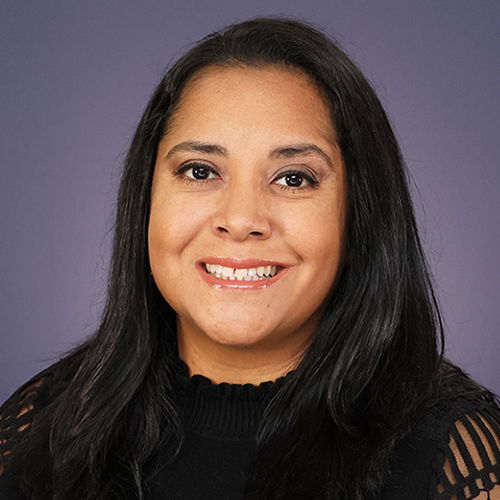 Brenda Garcia, Director of Facilities Planning and Construction, Goose Creek Consolidated ISD
Brenda has been the Director of the Facilities Planning and Construction Department for Goose Creek CISD for 9 years. She is heavily involved as past-president of A4LE’s Gulf Coast Chapter, and has a passion for building educational facilities that will help all students and teachers be successful. She has been a volunteer for the Houston Livestock Show and Rodeo for the past eleven years – their focus being providing scholarships to students pursuing higher learning.
Clement Medina, AIA, CCM, LEED Green, Senior Program Manager, Lockwood, Andrews & Newnam
Clement serves as a program manager at LAN. He has 15 years of experience designing and managing capital improvement, higher education, K-12, hospitality and residential projects. Since joining LAN eight years ago, Medina has managed several high-profile projects for various educational facilities. These include $267 million and $335 million bond programs for Goose Creek Consolidated Independent School District, numerous projects for Sheldon Independent School District’s $285 million bond program, as well as campus renovation projects for Aldine Independent School District.
 Sofia Dusek, RA, Principal, PBK
Sofia is a licensed architect with more than 15 years of experience in the industry. During her tenure at PBK she has overseen the planning, design, and successful completion of multiple K-12 bond programs. With a passion for planning, communities, and design Sofia is a proud member of the Angleton ISD Education Foundation Board of Directors, the Goose Creek CISD Career Academy Advisory Board and the AIA Houston Chapter Urban Design Committee. In her free time Sofia enjoys spending time with her husband and two dogs, traveling, cooking, and painting.
|
| Growing Up Together: The Evolution of Collaborative Learning |
|
Wildflower 1-2
Collaborative learning evolves as students grow, moving from structured, teacher-led environments in elementary school to more flexible, self-directed spaces in high school and beyond. This journey begins with prescriptive approaches in early education, such as stations or zones within classrooms, where students explore choices in a safe, supervised setting. Over time, learning expands beyond traditional classrooms into hybrid spaces like libraries, learning porches, and shared pods, empowering students to discover their preferred environments for success. By high school, students leverage these experiences to develop self-awareness and adaptability, skills critical for lifelong learning and workplace readiness. This session examines how thoughtful design and pedagogy can support this evolution, balancing supervision with autonomy and fostering impactful, lifelong collaborative skills.
Learning Objectives:
- Understand the developmental progression of collaborative learning, from prescriptive models in elementary school to self-directed, flexible approaches in high school and beyond.
- Explore strategies for designing diverse learning environments—both inside and outside the classroom—that support student choice, engagement, and safety at every age.
- Examine how expanding learning across zones and hybrid spaces fosters self-awareness and prepares students for workforce adaptability and lifelong learning.
- Identify ways educators and designers can facilitate collaboration while maintaining the balance between supervision, flexibility, and student autonomy.
Jayna Duke, IIDA, LEED AP ID+C, Director of Interiors, O’Connell Robertson
Jayna is a registered interior designer with more than 16 years of experience in interiors planning and design, finish and furniture selection for a variety of educational facilities. Her focus on school design provides an emphasis on enhancing learning environments from the inside out. She has developed deep understanding of how the built environment can support a variety of learning modalities.
Sarah Grissom, Ed.D, Deputy Superintendent, Leander ISD
Sarah began her career in LISD in 1998. Over the years she has taken on additional leadership responsibilities and continues to catalyze and champion the district’s Strategic Initiatives. A graduate of the University of Texas at Austin, Grissom received her bachelor’s degree in Applied Learning and Development followed by a master’s and doctorate degree in Educational Administration from Texas State University and Concordia University, respectively.
 Casey Nicholson, RA, Senior Project Manager / Educational Planner, O’Connell Robertson
Casey has more than 14 years of experience in planning, construction administration, and project management of K-12 education projects. Prior to joining O’Connell Robertson, Casey taught elementary school for two years and is able to incorporate that first–hand experience in helping schools develop successful educational environments. She earned a Bachelor of Science in Architecture from the Georgia Institute of Technology and a Master of Architecture at the University of Hartford.
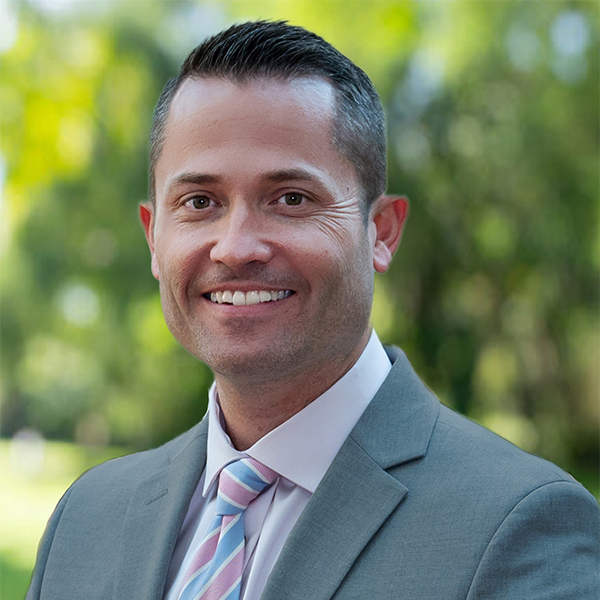 Jeremy Trimble, Chief Operations Officer, Leander ISD
Jeremy served in the Leander ISD operations department from 2010-2015 followed by a role as the Assistant Superintendent for Operations and Planning in Eanes ISD. He returned to Leander ISD to serve as the Chief Operations Officer and brings educational leadership and a reputation for innovation and strategic visioning to the team. He provides leadership across a wide variety of departments and initiatives. Jeremy completed both his Bachelor’s Degree in Environmental Design and a Master of Architecture at Texas A&M University.
|
| Designing for Change: The Impact of Community-Centered Spaces |
|
Wildflower 3
As we strive to create educational environments that foster creativity, culture, and compassion, the design of inclusive K-12 spaces has never been more crucial. This challenge is particularly pressing in communities facing socio-economic difficulties, where educational spaces must resonate deeply with students and reflect their diverse backgrounds. In this pivotal moment of educational facility design, we are presented with a unique opportunity to shift our approach, driven by social, cultural, and environmental factors, to create learning environments that truly tip the scales in favor of students’ success. Today, more than ever, school districts are embracing transformation, actively seeking new or revitalized spaces that prioritize community engagement, sustainability, health, equity, and inclusivity. Architects have an important role to play in translating these aspirations into tangible, impactful designs that can fundamentally change the educational experience. One recent project that exemplifies this approach is our partnership with the El Monte Union High School District (EMUHSD), where we designed a gym and fitness center specifically for at-promise students. Similarly, our collaboration with the Rio School District led to the creation of a new K-8 STEAM facility in an underserved community. These two projects offer a clear contrast in their design strategies but share a common goal: to empower students through culturally relevant, community-focused educational spaces. This session will explore how our design team employed two distinct methodologies—one grounded in cultural heritage and the other in social traditions—to meet this goal. At Rio del Sol, we worked closely with the local community, integrating Chumash cultural principles into the design. This collaboration ensured that the architecture was not only functional but deeply connected to the land and its people. On the other hand, the Ledesma High School project placed wellness at the forefront, with design elements that promote pride in the community’s city, neighborhood, and traditions. Our discussion will focus on how community-centered planning and design can drive favorable outcomes by meeting evolving educational needs while fostering an ongoing connection to cultural heritage. These methodologies result in spaces that engage students not only in their education but also in the broader context of their communities, promoting equity and inclusion—particularly in areas where socio-economic challenges are prevalent. Olivia Graf Doyle, Partner and Design Principal, and Freddy Arteaga, Principal of Ledesma High School at EMUHSD, will share insights from their collaborative journey in community-centered design. They will discuss how this approach has led to transformative, empowering outcomes for students. To deepen this exploration, we’ll showcase pre-recorded student testimonials, highlighting the real-world impact of these facilities on the learning experience. At this moment in educational design, we find ourselves at the crossroads of culture, community, and innovation—where the work we do can tip the scales toward more equitable, inclusive, and empowering educational outcomes for all students. Join us as we explore the potential and challenges of creating learning spaces that truly make a difference.
Learning Objectives:
- Examine culturally inclusive design strategies that prioritize the needs of diverse communities, guiding the creation of educational spaces that reflect socio-cultural values and enhance learning outcomes.
- Explore how educational facilities can be seamlessly integrated into their communities, fostering collaboration and inclusivity to create spaces that serve both educational and communal needs.
- Investigate innovative design solutions that balance both the physical and cultural aspects of educational spaces, using architecture as a tool for engagement and cultural expression while enhancing student experience.
- Evaluate the tangible impacts of community-centered design by analyzing testimonials from stakeholders, demonstrating how inclusive educational facilities transform learning environments and promote equity.
 Olivia Graf Doyle, Associate AIA, Partner, Design Principal, Architecture for Education, Inc. (A4E)
Olivia is a Partner and Design Principal at A4E, a mid-sized, women-owned and operated design firm that specializes in education architecture. Olivia has served as Chair for the American Institute of Architects’ Committee on Architecture for Education (AIA-CAE). She was featured as a 40 Under 40 “AEC star,” by Building Design+Construction (BD+C); and is a frequent speaker at education-focused conferences, including A4LE’s LearningSCAPES, the CA STEAM Symposium, EDspaces, AIA Women’s Conference and AIA-CAE.
 Freddy Arteaga, Principal, El Monte Unified School District, Fernando R. Ledesma High School
Freddy has served the high school for the last twenty years as teacher, counselor, and now principal. Freddy has been integral to developing the school’s mission to provide students with a personalized alternative education program in a safe, caring environment that focuses on state and district instructional standards, enabling students to develop into successful, productive citizens.
|
| WEDNESDAY, APRIL 9, 2025 | 10:45 – 11:45 AM |
| Big Screen Dreams: CTE and Athletics Creating Better Outcomes for Students |
|
Cottonwood Ballroom
That giant LED Video Board at the Football Stadium only benefits Football, right...? Join our panel discussion to learn about how student outcomes for athletes and CTE students and community engagement can be drastically influenced by choosing the right tech and design while developing supportive, student-led programs. Whether you are considering getting a new video board, replacing an old one, or making the most out of the one you have, our panel will share how Northwest ISD became the leader for this unique CTE and Athletics collaboration in the State. The student athletes are not the only students that may go pro after their experience in Stadiums and Arenas in your District.
Learning Objectives:
- Recognize what is essential and what is extra when it comes to designing and LED Video and Video Production system in a facility.
- Investigate the jobs and career paths available for video production CTE students.
- Appraise how Northwest ISD has created an ecosystem of practical training and experience for students.
- Discover new pathways to create unique student and community engagement opportunities.
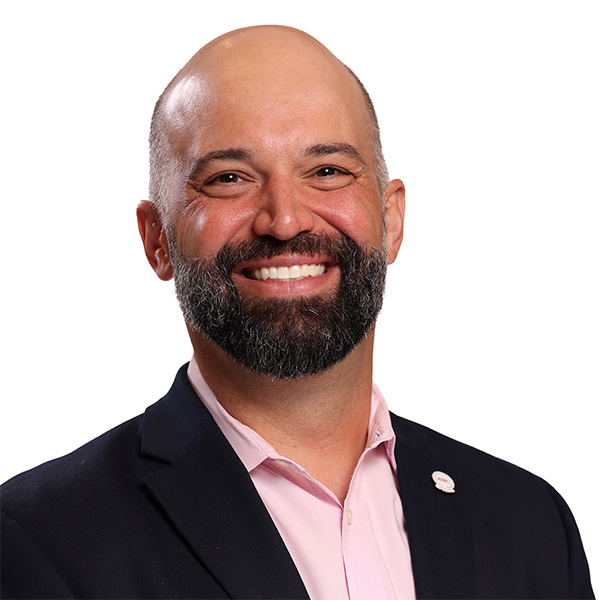 David Vieira, ASTC SVP, Principal, (WJHW) PMY Group
Dave is a true believer in the power of technology in Education. As a Principal for WJHW, he is fortunate enough to get to plan and design in the most important facilities in the world. Dave earned his master’s degree studying a self-designed program blending Theater Design and Construction Project Management at UT Austin. The combined knowledge of construction-based project management and practical theatrical production experience makes him an ideal resource for project collaboration. Dave is always willing to meet, collaborate, and express an opinion on any topic from theatre to poor golf shots or good coffee.
Dr. Mark Foust, Superintendent, Northwest ISD
Prior to joining Northwest ISD, Dr. Foust served as superintendent of Kerrville ISD in central Texas, where he earned a reputation as a strong instructional leader who places student needs first. During his tenure as superintendent, Kerrville ISD implemented new STEM instructional programs, expanded career and technical education opportunities, and passed a significant bond program to revitalize schools. Kerrville ISD earned distinction as an HEB Excellence in Education Small District State Finalist and a top-10 UIL Lone Star Cup finisher during his tenure. Dr. Foust spent the first 21 years of his professional career in Fort Bend ISD, a fast-growth school district in the Houston area. He began his career as an English teacher and coach in 1995 before becoming an associate principal and principal at the high school level. He transitioned into a district leadership role as an assistant superintendent overseeing three high school feeder patterns before serving as chief of schools and overseeing educational services at all 74 schools in the district.
Jeremy Rawe, Senior Designer, (WJHW) PMY Group
Tim McClure, Partner, Managing Principal, Glenn|Partners
Tim’s unique experience in education design and construction is unmatched as he has not only served North Texas school districts as an architect but brings almost a decade of experience as the former Assistant Superintendent for Operations at Northwest ISD, North Texas's fastest-growing district. Known for leading long-range facility planning, Tim’s deep knowledge of non-instructional operations and architectural expertise ensures school districts benefit from both an owner's and architect's perspective.
|
| Betty the Builder Builds a Better Building |
|
Texas 7-8
Congratulations, your district just passed millions of dollars in bonds! Traditionally, the construction manager and contract negotiator have been relegated to the male dominated sector of our society; however, women can build buildings too! Creating connections between bonds passing, contracts signed, architectural envisioning, and nailing in that last nail is a process where women can adeptly lead, manage, and succeed. Grab your heels and hard hats and let’s build better together!
Learning Objectives:
- Understand the challenges associated with construction projects mainly from an educator perspective.
- Learn about the issues dealing with architects, and understand why knowing your audience is important.
- Learn about tools to use to monitor construction in order to stay abreast of what's happening.
- As a woman, learn how to have a relevant seat at the table.
Gayle Stinson, Ed.D., Superintendent, Birdville ISD
Gayle Stinson joined the Birdville ISD family in July 2021 as superintendent of schools. Before joining BISD, Dr. Stinson served as superintendent for Lake Dallas ISD from 2007–21. Embarking on her career in education in 1992, Dr. Stinson has served at nearly every level in the profession, starting as a teacher and coach before moving into administration, where she served as an assistant principal, principal of all levels K–12, and assistant superintendent. During her career, Dr. Stinson has earned several top professional honors. In 2003, the Texas Association of Secondary School Principals named her Principal of the Year. In 2011, Dr. Stinson earned the distinction of Region XI Superintendent of the Year, an award given to the top school district leader in an area encompassing more than 75 school districts. She went on to be named one of just five state finalists for the Texas Superintendent of the Year award. She has also been recognized by her alma maters, being named the Outstanding Young Texas Ex from The University of Texas at Austin in 2007 and the 2013–14 Outstanding Doctoral Student from Lamar University following the completion of her doctorate in 2013. Serving her local and state communities has remained a priority for Dr. Stinson throughout her educational career, representing the best interests of public schools and the community. She currently serves as past-president of the Texas Association of Suburban/Mid-Urban Schools. In addition, Dr. Stinson is a past president of the Texas Association of School Administrators, the top organization for superintendents and education administrators. As a member of the Texas Education Agency Commissioner’s Cabinet and the Governor’s Superintendent Advisory Committee, state leaders have sought her feedback on educational issues. Advocating for the interests of students and educators on these bodies and through other avenues is her overriding passion. Dr. Stinson earned her bachelor’s degree from The University of Texas at Austin, her master’s degree from the Texas A&M System, and her doctoral degree from Lamar University.
Kristi Strickland, Ph.D., Executive Director – Leadership Development, Birdville ISD
Jennifer Perry, Ed.D., Executive Director, Instruction and Advanced Academics, Birdville ISD
|
| Jumpstart to Success: Alternative Pathways in Education Through a PK-16 Approach |
|
Wildflower 1-2
Education for the workforce of tomorrow needs to rethink the standard PK-12 model. Integrating alternative pathways through a PK-16 approach provides students with impactful opportunities to supercharge their high school education with early collegiate and career opportunities. Early College High School (ECHS) programs leverage connections with community colleges to immerse students in a collegiate environment, allowing them to earn a college degree and/or certification and a high school diploma with integrated support and without the burden of student debt. There are many different ways to implement an ECHS program to align with district goals and community needs, each approach producing its own unique learning environment. Whether they are embedded within a college campus, co-located with a CTE, or on a high school campus, ECHS facilities should be designed to foster an elevated, rigorous, supportive learning community. Through the lens of case study projects, this session will explore the versatility of ECHS programs and effective strategies for developing successful programs and designing facilities that deliver an elevated learning atmosphere, inspire growth, and support long-term student success. Learn from leading educators from Dallas College and Tyler ISD in this engaging panel discussion.
Learning Objectives:
- Understand the framework for developing effective collegiate and industry partnerships for enhancing PK-12 education, and their benefits for student success.
- Develop an in-depth understanding of region-specific needs and approaches to developing tailored offerings.
- Explore the unique educational and developmental needs of early collegiate and career students.
- Identify and apply design strategies for supporting early collegiate students to create specialized learning environments that facilitate mentorship, growth, and inquiry-driven learning.
Sangeetha Karthik, AIA, NCARB, NCIDQ, LEED, Principal, Corgan
With over 20 years at Corgan, inclusivity is the central motivation behind Sangeetha’s work. Sangeetha creates spaces that benefit both the client and the students. She works with education clients across Texas and the U.S. to create learning environments that are both aesthetic and functional. Sangeetha is known for her unique ability to create spaces that mimic the real world, foster collaboration and engagement, and result in self-directed learners who are prepared for future careers.
Dr. Marty L. Crawford, Superintendent of Schools, Tyler ISD
Dr. Marty Crawford serves as Superintendent of Schools for Tyler’s Hometown School District and is president of the Texas School Alliance. Crawford joined Tyler ISD in 2014 and has more than 15 years total in the school superintendency, and over 20 years in Texas K-12 school administration. Crawford holds a Bachelor of Education from Baylor University, a Master of Education from The University of Oklahoma, and a Doctor of Educational Administration from Texas A&M-Commerce.
Dr. Kay Eggleston, President, Dallas College, Richland
Dr. Kay Eggleston has worked at Dallas College since 1973, starting as a faculty member for the Nursing program. She has served in numerous leadership roles at Dallas College, rising to the role of President of Dallas College’s Richland campus in 2012. With her leadership and unmatched commitment to students, Dr. Eggleston has transformed the largest Dallas College campus bringing together the worlds of fine arts, humanities, business, science, and technology along DFW’s “Telecom Corridor.”
|
| I Want to Be a Chocolate Chip Cookie When I Grow Up: How youthful creativity informs critical thinking in the world of K12 Construction |
|
Wildflower 3
A now retired school district colleague of mine used to close each email with the automated signature “Construction is stressful, stay patient my friends”. Left unchecked, stress is linked to physical illness, anxiety, cognitive impairment, decreased motivation, reduced performance, and social withdrawal. We invite you to engage in a lively discussion regarding wellness in schools in addition to the construction site, and what we believe is the inextricable link between the two. During this session, a panel of parents, educators, designers, and builders will discuss how thoughtful construction practices can reduce stress in the field and promote wellness in the school. We collaborate with students every day to inform our design process. However, it is often the intangible declaration of a preschooler’s dream to one day “grow to be a chocolate chip cookie” which serves as a diffusing reminder as to whom we serve and the power of humor, synergy, positivity, and critical thinking to achieve measurable results in construction and in the classroom.
Learning Objectives:
- Identify the key pieces of information required in construction impact occupant wellbeing.
- Tools and ideas for Involving students in the design collaboration process.
- Use of critical thinking in design to meet needs of stressed older buildings.
- Analyze how to identify the particular needs of the users and determine the most suitable space to achieve those needs.
Michael La Nasa, AIA, Director, Pk-12 Practice Central Texas, Kirksey Architecture
Michael joined Kirksey in 2005 and has specialized in educational architecture for the last 16 years. The team is passionate about spending time with students, teachers, administrators and community members to listen and learn the craft of educating and learning to inform their design process towards an environment specific to supporting a client’s needs and goals. He has a Bachelor of Liberal Arts from the University of Texas and a Master of Architecture from the University of Houston. When Michael am not co-creating buildings, you will find him with his family in Austin, where you might find him gardening, running, or volunteering.
Michael Mann, Executive Director, Construction Management Department, Austin Independent School District
Executive Director of Construction Management, Austin Independent School District. Project Manager, Square One Consultants, Inc. Project Architect, Marsh & Associates, Inc. Intern, J. Mendenhall Architects. Education: University of Texas, Bachelor of Architecture.
Gene Glenn, Construction Manager, Spire Consulting Group
With over 18 years of experience, Gene has a wide variety of experience in the construction industry. He has managed projects with a total value of over $1.5B in markets that include K-12, higher education. Education: University of Texas, Bachelor of Science – Civil.
Chris Caddell, Bartlett Cocke General Contractors
|
| WEDNESDAY, APRIL 9, 2025 | 1:15 – 2:15 PM |
| Equitable Access to the Performing/Visual Arts and JROTC |
|
Cottonwood Ballroom
Achieving positive outcomes in K-12 education requires equitable approaches to ensure that students have access to programming, facilities, and equipment regardless of their background or socioeconomic status. Programming should include a variety of activities that appeal to diverse interests and talents, contributing to a well-rounded education. Resources must be allocated to support these programs, including necessary materials, facilities, and qualified instructors. The United States Department of Education emphasizes that these subjects are crucial for a comprehensive education. While there has been significant focus on athletics as an outlet, this seminar aims to highlight the importance of JROTC, performing arts, and visual arts in developing well-rounded scholars by fostering students' social, emotional, and cognitive skills as well as student agency.
Learning Objectives:
- Understanding Equitable Access: Learn to identify and implement strategies that ensure equitable access to programming, facilities, and equipment for all students, regardless of their background or socioeconomic status. This includes understanding the barriers to access, such as racial, ethnic, and cultural biases, and developing solutions to overcome them.
- Promoting Diverse Programming: Explore the importance of offering a variety of extracurricular activities, such as JROTC, performing arts, and visual arts, that cater to diverse interests and talents. They will learn how these programs contribute to a well-rounded education and the holistic development of students, emphasizing the need for cultural responsiveness and inclusivity.
- Resource Allocation and Support: Gain insights into the effective allocation of resources, including materials, facilities, and qualified instructors, to support extracurricular programs. They will understand the role of adequate funding, community involvement, and leveraging available resources to sustain these programs.
- Fostering Student Development: Examine how extracurricular activities can foster students' social, emotional, and cognitive skills, as well as student agency. They will learn to advocate for the inclusion of these programs in the curriculum and understand their impact on students' overall well-being and academic success.
 Derwin Broughton, AIA, NOMA, NCARB, WELL AP, Vice President, KAI Design
Derwin serves as the Principal and Vice President of KAI Enterprises. He is the immediate past President of the Texas Society of Architects (TxA), which is the third-largest component of the American Institute of Architects. Additionally, Derwin is a former president of the Dallas Chapter of the National Organization of Minority Architects. Originally from South Carolina and a graduate of Clemson University, Derwin is married to his college sweetheart, Michele.
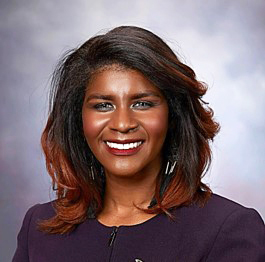 Michele Gause Broughton, Ed.D., Deputy Chief Academic Officer, Dallas Independent School District
Dr. Michele Broughton is committed to fostering equity and excellence in PK-12 learning environments. Dr. Broughton has over two decades of experience in education in the roles of Teacher, Instructional Coach, Assistant Principal, Principal, Executive Director and her current role as a Deputy Chief in the Dallas Independent School District, 16th largest school district in the nation. She is a graduate of Clemson University (B.A.), Texas Woman’s University (M.Ed.), and Southern Methodist University (Ed.D.).
|
| From Community Vision to Reality: Reimagining Irving ISD Campus Experience |
|
Texas 7-8
Crockett Middle School is being reimagined as a place where student learning and collaborating is on display. The vision for this new replacement campus began during the early conversations during bond planning. The community and campus leadership identified a need for a new campus that creates innovative spaces for students to learn and collaborate. In this session we will explore how the early vision and continuous community engagement shaped the design of the new Crockett middle school. We will analyze the design learning spaces and how these prepare Irving students for the careers for the future.
Learning Objectives:
- Explore how the early vision and continuous community engagement shaped the design of the new Crockett middle school.
- Analyze the design learning spaces and how these prepare Irving students for the careers for the future.
- Examine how the new Crockett Middle School creates spaces for students’ wellness, by providing spaces to of different scales, different noise levels, and different learning experiences allowing students agency over their learning experience.
- Discover how the design of the new Crockett Middle school celebrates learning-on-display by strategically adding transparency throughout the campus, while developing a safe learning environment for students.
Diego Barrera, ALEP, AIA, NCARB, Director of Design | Principal, WRA Architects
Diego is an optimist who believes in the power of design to positively influence people’s lives. He serves as principal and director of design at WRA Architects. Diego has nearly two decades of experience in education design. He leads the development of innovative design solutions for a broad range of K-12 and Higher Education projects. As an Accredited Learning Environment Planner (ALEP), Diego partners with educators and communities to envision the future of their educational environments, helping clients translate their vision into a design. Diego leads research that explores approaches to creating forward-thinking educational spaces that respond to learners’ specific needs. He delivers progressive bespoke designs that respond to community’s needs by implementing a comprehensive process developed through a solid understanding of the client’s vision.
Magda A. Hernández, Superintendent of Schools, Irving ISD
Magda, a long-serving Irving ISD employee, was named Superintendent of Schools for the Irving Independent School District in December 2018. Hernández began her career in the district in 1993 as a bilingual aide before earning her teaching degree from Texas Woman’s University (TWU). Hernández was then a bilingual and gifted and talented teacher at Good and Townley elementary schools before being promoted to assistant principal at Townley. She then moved up to the Administration Building, where she has served as human resources staffing and recruiting coordinator, director of human resources, assistant superintendent of human resources, associate superintendent of human resources and deputy superintendent of administrative services. Hernández also held the position of assistant superintendent of human resources in Waxahachie ISD. She graduated cum laude with bachelor’s and a master’s degrees in educational administration from TWU. She holds superintendent certification from the University of North Texas. Hernández currently serves on the board of Texas Workforce Solutions, Texas Academic Decathlon and is President for the Texas School Alliance. She is a proud mother of three children – two sons and one daughter, all Irving ISD graduates – and she has six grandchildren, two of whom attend Irving ISD. Hernández enjoys reading, travel, music and family time.
Roberto Ramirez, AIA, NOMA, Partner, WRA Architects
Roberto joined WRA in February 2001 after spending five years with another Dallas architectural firm. He has been the project designer on a wide variety of educational projects types. He has participated in master planning for school districts, been on the design team of major athletic facilities and performing arts centers. Roberto has a gift for designing with simple elegance and keeping a project beautiful without extravagance. He understands the programmatic needs of educational clients and continually delivers without sacrificing form, space or order. Roberto holds many responsibilities in the firm including design lead, coordination with consultants, and is responsible for keeping projects on track within the budget and schedule. In 2006, Roberto was promoted to Associate. He became a principal in 2015.
Eric Hormann, AIA, Associate | Project Manager, WRA Architects
|
| Aligning Learning and Leadership through Administrative Space |
|
Wildflower 1-2
Dripping Springs ISD is a fast-growth school district with increasing student and staff needs. Like many districts, they focused their 2018 May bond election efforts on student-centered improvements, additions and new facilities. However, the community also agreed that the ageing facility conditions of their central administration buildings were not sustainable to serve their leaders into the future. The existing administrative spaces were old, unsecure, and their departments were disparate and siloed, limiting the ability for departments to come together to advance district goals. To address this issue, the district identified a vacant elementary school campus to be renovated and serve as the new home for the Center for Learning & Leadership, allowing all 12 administrative departments to move under one roof. This consolidation fosters the type of collaborative opportunities for staff that students and teachers experience in their learning environments. Key to the transformation was renovating the early-2000's elementary space into a modern professional work environment with training areas, offices and space to grow. The existing facility was just over 100,000 SF, but the given budget only $8.7 million, allowing only $82 per square foot to renovate and meet the anticipated needs. By working closely with the district, Corgan identified key savings and growth areas that allowed the project to comply with the limited funds while meeting core needs. District staff moved into their new facility, including a new board meeting room, large training facility, and child development center in June of 2023.
Learning Objectives:
- Bond planning strategies for gaining support for non-school facilities projects.
- Investing in elevated professional spaces as a tool to attract talent to key administrative roles.
- Creative renovation solutions for tight budgets.
- Tangible design opportunities for community-driven collaboration, like a display developed alongside the district’s historical artifact committee.
Erin Ortwein, AIA, NCARB, Project Manager, Corgan
Erin is an architect based in Austin, Texas. Working with educators, community members and contractors to bring each project to life is a joy she feels privileged to be part of. She believes in the power of collaboration and communication as keys to any successful project. Beginning in 2025, Erin joined the Board of the Central Texas A4LE Chapter, and she looks forward to continuing to advance public school design in the greater-Austin area.
James Conkle, Director of Construction & Planning, Dripping Springs ISD
As the Director of Construction & Planning, James is responsible for facility growth and new construction for this fast-growth district. Prior to his time at DSISD, he worked for many years in Leander ISD and oversaw countless projects.
|
| ADAPTING TO CHANGE: How Consolidation in an Established District Prepares for the Future |
|
Wildflower 3
As a deeper dive into Wednesday’s General Session panel discussion of Consolidating Campuses, this session will review the process of consolidating Fort Worth Independent School District’s McLean 6th Grade School and McLean Middle School. This difficult decision was made by the District due to declining enrollment and aging infrastructure. Though the original strategy was to renovate and improve these aging buildings, the choice was made to explore consolidating them into one cohesive 1,200 student middle school by analyzing the feasibility of this shift. With the community’s influence and despite the political impact, the District is moving forward with the consolidation in an effort to prepare for a brighter future.
Learning Objectives:
- Provide context of original renovation strategy of two Fort Worth ISD Middle Schools.
- Demonstrate the District’s need to rethink renovation strategy and consolidate these two middle schools.
- Demonstrate the feasibility of consolidation through community involvement and the political impact of this decision.
- Highlight current design solutions that respect the past while planning for the future.
Jennifer Craddock, AIA, NCARB, Senior Associate | Senior Project Manager, Glenn|Partners
Jennifer has almost 20 years of experience in multiple building and construction types. She offers a diverse background that enhances the quality and relevance in her work. Her previous experience was in office, retail, and most dominantly, multi-family, student housing, and mixed-use projects. These various typologies have given Jennifer a layered understanding of place-making and use that has proven valuable in the education sector.
 Kellie Spencer, Deputy Superintendent of District Operations, Fort Worth Independent School District
Kellie serves as the Deputy Superintendent of Operations for Fort Worth ISD. With almost three decades of experience in TX public schools, she is a strategic leader who is committed to the provision of exceptional learning environments for all students. Kellie firmly believes that there is a direct correlation between the learning environment and student achievement, a belief which serves as the driving force of her team.
Patrick Glenn, ALEP, AIA, LEED AP, LE Fellow, Partner | Managing Principal, Glenn|Partners
Patrick offers 28 years of educational leadership, planning and architectural design experience spanning a wide range of educational clients. Having planned more than $2B in school construction during his career, Patrick offers unique expertise to help foster creative, flexible and long-term design strategies to better enhance a more personalized, and collaborative learning environment while addressing many of the critical issues facing next-generation students of tomorrow.
|
| WEDNESDAY, APRIL 9, 2025 | 2:30 – 3:30 PM |
| Educational Wellness: Human Centered Design in the Post-Pandemic Era |
|
Cottonwood Ballroom
There is a growing need for focus around “Educational Wellness: Human Centered Design in the Post-Pandemic Era”. Design can no longer rely on pre-pandemic paradigms. Instead, we must evolve to meet the new challenges and opportunities of the post-pandemic world. A reinvigorated approach considering the array of challenges (global pandemic, gun violence, climate change, political division, racism, wealth divide, technology overload, etc.) is a critical need. Trauma among students is a growing affliction threatening the wellbeing of nations and children’s futures, demanding a call to action to address this important issue in the school systems in our communities. Administrators in school districts, government regulators, localities, and other stakeholders have a responsibility to ameliorate this growing epidemic as both a societal obligation and moral imperative. PROPOSED APPROACHES: Social & Emotional Learning (SEL), Trauma Informed Design (TID) and Crime Prevention Through Environmental Design (CPTED) have all been part of the design toolkit for learning environments. This session proposes how architects, designers and researchers working together with school districts and communities can contribute to Designing for Student Wellbeing by finding common ground between SEL, TID and CPTED strategies. Looking through three different lenses, each speaker will help gain a new and different understanding by considering various angles and interpretations.
Learning Objectives:
- How Social and Emotional Learning strategies can be supported by evidence-based design.
- How Trauma-Informed design principles can respond to the psychological dimension of Mental & Behavioral Health by promoting safety, comfort, flexibility and control.
- How Crime Prevention Through Environmental Design principles are redefining School Safety & Security.
- Discussion on conclusions, practical solutions and next steps.
 Renae Mantooth, PhD, WELL AP, Research Lead, Education Sector, HKS
Dr. Mantooth leads research for the Education practice at HKS and founder of the Coalition for the Advanced Understanding of School Environments (CAUSE). Her passion for design research and scholarship is centered around people through inclusive practices. She works to expand the breadth of knowledge that explores human behavior, motivation, and well-being in educational settings to inform design solutions. Renae is also Assistant Professor of Practice in the College of Design at NC State University.
Erin Peavey, AIA, WELL AP, LSSYB, EDAC, LEED AP BD+C, Health & Well Being Design Leader, HKS
Erin, an award-winning architect, is a researcher and renowned thought leader on the power of the built environment to foster well-being and advance design for health. She is co-lead of the Foundation for Social Connection’s 2024 report on the built environment, an industry scholar with Cornell’s Institute for Healthy Futures, and podcast host of Shared Space. Peavey’s path breaking work has been featured on TEDx, CBC, BBC Radio 4, Bloomberg, and Psychology Today.
 Wayne Reynaud, AIA, REFP, ICA, WELL AP, Studio Practice Leader, Education, HKS
Wayne is an architect and K12 Schools Practice Leader committed to Safety and Wellness in Educational Facility Practice his entire career. A member of ICA, the International Crime Prevention Through Environmental Design Association, Wayne has written articles and spoken at conferences on this subject matter several times throughout his career. He is a Recognized Educational Facility Planner and currently serves as the President Elect of the Southern Region Board of A4LE.
Sita Lakshminarayan, ALEP, AIA, LEED AP BD+C, Studio Practice Leader, Education, HKS
Sita is an Architect, Accredited Learning Environment Planner and founding partner in a pilot green building internship program reaching beyond Austin. As K-12 Education Studio Practice Leader at HKS, she leads with a passion for quantifiab.
|
| You Bought WHAT? Evaluating a Potential Property for Potential Hazards |
|
Texas 7-8
The purchase of property is the cornerstone of creating a successful new or renovated facility. Knowing the perils and pitfalls associated with finding the perfect site provides valuable information to facility planners to achieve a favorable outcome in an educational setting. This panel discussion will offer important information on assessing risks and potential hazards when evaluating properties for new school construction or properties for renovation, adaption, or reuse. We will cover essential topics such as environmental, structural, and safety considerations. Given that every school facility starts with a property purchase, this session is especially relevant for project managers, facility planners, and safety officers. Panelists will come from a wide range of experience and disciplines, bringing together experts from diverse disciplines, including School District Administrators, Real Estate Professionals, Civil and Structural Engineers, Environmental and Building Envelope Consultants, Urban Planners, MEP Consultants, and Architects. Their combined expertise ensures a dynamic, engaging, and practical session. The combined knowledge and interaction of the panelists should offer a fresh perspective on the topic. This session is designed for professionals eager to learn about the challenges school districts face when selecting, testing, purchasing property and how to overcome them. Through a moderated panel discussion, Attendees will gain insights into property assessment, the purchasing process and critical considerations when evaluating potential sites. Don’t miss the chance to deepen your understanding of this crucial step in creating educational facilities and walk away with actionable knowledge from experienced professionals in the field.
Learning Objectives:
- Provide a general understanding of the “Due Diligence” Process and the typical procedure a school district undergoes prior to purchasing property.
- Using hazard assessment strategies and principles for property evaluation, learn how to anticipate risks and potential hazards to prevent purchasing a “problem child” property.
- Through the Q&A Panel discussion, explore the unique considerations that need to be addressed when purchasing a Greenfield or Brownfield site or when purchasing a property with an existing facility for adaption and reuse. to adapt and reuse.
- Through the Q&A panel discussion, learn how critical thinking and creative planning can address site deficiencies and enhance property selection.
King Davis, Project Executive, GPD Group
Dr. King Davis served students and families in public education in multiple leadership roles over a span of 31 years. His experience includes 20 years in administration as an elementary principal to high school principal to deputy superintendent to superintendent. Dr. Davis concluded his public education career at the helm of Sheldon ISD as the Superintendent during his final eight years. He demonstrated achievement in multiple areas, including leading the way on improvement of student achievement from an “F” rating to a “B” rating, inspired Sheldon ISD voters to approve the two largest to date bond referendums, totaling $533 million, and balanced an $11 million deficit budget within one fiscal year. Dr. Davis earned his doctoral degree from the University of St. Thomas – Houston and received both his bachelor’s and master’s degrees from Stephen F. Austin State University. He was named the STEM Innovator of the Year in 2019 by STEM Bridges Houston. Additionally, the Texas Education Agency recognizes Sheldon ISD’s STEM program as an exemplar throughout the state. Dr. Davis is passionate about helping communities to overcome the many obstacles facing them in an ever-changing educational environment. He is a dedicated husband and father, and an avid community volunteer.
Bill Van Wagner, Director of Planning and Construction, Alvin ISD
Bill serves as the Director of Planning and Construction for Alvin Independent School District, where he oversees the design, development, and execution of construction projects that align with the district’s educational goals and budgetary priorities. With extensive experience in construction and facilities management, Bill’s common sense approach emphasizes sustainability, efficiency, and long-term functionality, creating learning environments that enhance the educational experience for students and staff alike. With his distinctive background in both construction and facilities management, Bill brings a wealth of expertise in budgeting, contractor coordination, project oversight, and regulatory standards. His dedication to excellence is evident in his ability to streamline operations, optimize functionality, and address the evolving needs of Alvin ISD’s growing community. Bill’s leadership has significantly contributed to the success of numerous projects over the past 16 years, and his unwavering commitment to creating optimal learning environments makes him an invaluable asset to the district and the community it serves. Through his work, he continues to shape Alvin ISD’s facilities to meet the highest standards of quality and innovation.
Michael Golding, CFM, LEED GA, Manager of New Business Development, PEA Group
Michael brings nearly 25 years of experience in site, land, and engineering development, with a particular focus on K-12 education facilities. His extensive background in project oversight, management, and design has equipped him with a comprehensive understanding of the unique challenges and requirements of educational projects. As the manager of new business development at PEA Group’s Houston office, Michael is dedicated to identifying opportunities and building strong client relationships to support the growth of the firm’s K-12 market presence.
Jim McSherry, Project Manager, GPD Group
Jim joined the firm in 2001 and has served as a Project Manager on all types of educational facility projects for both public and private institutions. He actively participates in all phases of project development. Jim’s management duties at GPD include administration of the firm’s Building Information Modeling (BIM) systems.
|
| The Sound of Learning – How Audio Can Enhance the Learning Environment |
|
Wildflower 1-2
In this session, we will explore the untapped potential of audio in education and how sound can be used as a powerful tool to enhance the learning process. Led by Danny Sewell, a musician with over a decade of experience producing educational programs, this talk delves into how sensory circuits, soundscapes, and music can improve students’ engagement, focus, and creativity in the classroom. We begin by discussing sensory circuits, a method designed to prepare students mentally and physically for learning by incorporating alerting, organizing, and calming activities. Through interactive examples, we will explore how sound plays a key role in these circuits and how architects, teachers, and educators can design environments that foster better learning outcomes. The talk also introduces the concept of audiation, the ability to interpret sound as an emotionally relatable, musical experience, and how early exposure to sound shapes cognitive development. By embracing sound, we can foster students’ imagination, creativity, and emotional well-being. Attendees will be invited to engage in various soundscapes that will spark their imagination and lead to cross-curricular learning opportunities, from geography and biology to creative writing and technology. These activities highlight the power of sound to create immersive learning experiences. Throughout the talk, we emphasize the importance of designing spaces that support auditory learning experiences, offering practical examples for architects to consider when developing educational environments. By using sound to nurture imagination, this session challenges us to think beyond traditional educational methods and embrace the role of audio in cultivating holistic, engaging learning environments. Whether you’re an educator, architect, or a professional working in educational design, this talk will inspire you to reconsider how you approach learning spaces and provide actionable ideas to integrate the transformative power of sound into your practice.
Learning Objectives:
- Understand the Role of Sensory Circuits in Education: Learn how sensory circuits, which include alerting, organizing, and calming activities, can be integrated into educational settings to improve students’ focus, engagement, and readiness to learn.
- Explore the Concept of Audiation and Its Impact on Cognitive Development: Gain insight into how the ability to interpret sound emotionally and musically (audiation) affects learning and cognitive growth, particularly in early childhood education.
- Experience the Power of Soundscapes in Fostering Imagination and Cross-Curricular Learning: Explore how immersive soundscapes can be used to stimulate creativity and imagination, connecting multiple subjects like geography, biology, creative writing, and technology.
- Identify Practical Applications for Sound in Educational Environment Design: Architects and educators will learn how to incorporate auditory experiences into the design of educational spaces, considering the impact of sound on student engagement, well-being, and overall learning outcomes.
Danny Sewell, Professional Development Lead, Muzo
Danny is passionate about crafting audio experiences that both entertain and educate, from grand stage-shows to intimate school classrooms, Indian orphanages to British cathedrals. After a decade of leading an innovative team of creators in the UK, he has a deep appreciation for the transformative power of sound in education. As a musician and educator he’s excited about the endless possibilities that audio can bring to our schools.
|
| You Need What?! Improving Communication to Improve Outcomes in Performing Arts Design |
|
Wildflower 3
Design for performing arts learning spaces is complicated. The process to develop that design doesn’t have to be. Come listen to our panelists, a Fine Arts Director, an Architect, and an Owner, share lessons learned and ideas about how to successfully find common understanding, shared vocabulary, and agreement between professionals from diverse backgrounds united around the common goal of better spaces for learning and growth in the arts.
Learning Objectives:
- Understand the complexities of designing performing arts learning spaces.
- Discern effective strategies for fostering collaboration between professionals from varied backgrounds to develop a shared vision for arts-focused learning environments.
- Identify common challenges in creating performing arts spaces and how to overcome them through communication, alignment of goals, and a unified approach to design.
- Explore practical tools and methods for creating shared vocabulary between architects, arts educators, and owners to streamline the design process and ensure successful outcomes for performing arts learning spaces.
David Vieira, ASTC SVP, Principal, (WJHW) PMY Group
Dave is a true believer in the power of the Arts and Arts Education. As a Principal and Theatre Consultant (ASTC) for WJHW, he is fortunate enough to get to plan and design the most exciting theatres and rehearsal spaces for performing arts in the world. Dave earned his master’s degree studying a self-designed program blending Theater Design and Construction Project Management at UT Austin. The combined knowledge of construction-based project management and practical theatrical production experience makes him an ideal resource for project collaboration. Dave is always willing to meet, collaborate, and express an opinion on any topic from theatre to poor golf shots or good coffee.
 Le Estes, AIA, LEED AP, Executive Director of Facilities Planning, Design and Construction, Richardson ISD
Jeff Bradford, Executive Director of Fine Arts, Richardson ISD
Greg Estes, RA, M.Arch, Partner | Senior Project Architect, Glenn|Partners
|
| WEDNESDAY, APRIL 9, 2025 | 3:45 – 4:45 PM |
| Returning the Focus, Connecting the Future to the Past, One Community United |
|
Cottonwood Ballroom
On T J Wright Street in Angleton, TX lives a seven acre site that has weathered multiple transformations. Beginning as a one room school house for the African American community in the early 1900’s, growing into an Educational Village by the mid 1960’s, modified into a Transportation Center, and then returned to nature in the form of a park and Memorial in 2024, this site and it’s community have remained resilient to the test of time. Join us on a journey through the past as we celebrate the story of the Marshall School Community and Angleton ISD’s commitment to preservation.
Learning Objectives:
- Demonstrate how to gather stakeholder support for a unified vision through the utilization of a Master Planning process.
- Recognize what steps and correct implementation methods are necessary to pursue when encountering a hazardous site.
- Identify which factors can be limiting on a design and construction project and how to formulate a phasing plan to work around these constraints.
- Apply design strategies to historical projects that will memorialize their significance.
Sofia Dusek, AIA, Principal, PBK
As a licensed architect with more than 19 years of experience in the industry, Sofia serves in the position of Principal and K-12 Studio Team lead in the PBK Houston office. In addition to overseeing the planning, design and construction of multiple K-12 bond programs during her 12 year tenure at PBK, Sofia is also responsible for the leadership of PBK’s Women’s Leadership group as well as Co-Leadership of PBK’s Collegiate Summer Intern program. With a passion for planning, communities, and design Sofia is a proud member of the Angleton ISD Education Foundation Board of Directors, the Goose Creek CISD Career Academy Advisory Board and the AIA Houston Chapter Urban Design Committee.
 Phil Edwards, Superintendent, Angleton Independent School District
Phil is a veteran in the educational world with more than 30 years of experience as a public school administrator and teacher. Phil has spent more than 20 years in school administration, and he stepped into the role as superintendent for Angleton ISD in the summer of 2018 after leading Kemp ISD for three years as superintendent. He has brought with him a strong understanding of educational administration and fiscal operations as well as an understanding of curriculum and instruction, including instructional technology and data analysis. Believing that students must be continuously challenged, Phil promotes an atmosphere of constant growth and improvement, and he makes sure that students are given the appropriate support in which to be successful in learning.
 Elizabeth Giusti, Associate Principal and Senior Project Manager, PBK
During her time with the firm, Elizabeth has demonstrated a successful track record overseeing the design and production teams, coordinating with all client stakeholders, contractors and consultants, and ensuring final delivery of K-12 projects. In addition to her role as Senior Project Manager, Elizabeth also leads the Project Management group within the PBK Houston office and serves on the Senior Leadership Committee of PBK’s Women’s Leadership Group. Her involvement in these firmwide initiatives contributes to the expertise she has gained in her time at PBK as an integral part in the continued growth of the firm and project teams across the office.
|
| Planning a Comprehensive High School with a Focus on Health Sciences CTE |
|
Texas 7-8
In response to the rapid growth of the community, New Caney ISD initiated a bond in 2018 to plan for the establishment of a third comprehensive high school. This new facility would aim to build on the success of New Caney ISD’s existing high schools by offering specialized Career and Technical Education (CTE) programs. To ensure the new high school meets the needs and expectations of the community, district conducted a comprehensive survey to gather feedback on the desired focus areas. The overwhelming support for health sciences, given our proximity to numerous healthcare facilities, guided the decision to prioritize programs in Health Sciences, Veterinary Medicine, and Emergency Medical Technician (EMT) training. Design team’s collaboration with Texas A&M’s Architecture Healthcare studio played a crucial role in shaping the design of the new campus. Their innovative concepts were presented to the district leadership team, resulting in a student-centric vision that established the guiding principles for the school's design. West Fork High School not only addresses the educational needs of the growing community but also prepares students for successful careers in the health sciences field. The presentation will outline the strategic design approach, community engagement, phase implementation, CTE integration and navigating school opening.
Learning Objectives:
- Learn about facility planning and how this drives the budgets for bond planning.
- Understand construction phasing and scheduling for planned facility expansions.
- Learn about interior learning environments and how it relates to wellness.
- Learn about how integrating CTE programs in the learning environment impacts education.
 Parul Vyas, ALEP, AIA, NCARB, LEED AP, Principal, K12 Market Leader, Stantec Architects Inc
Parul partners with educators and community leaders to facilitate 21st century learning environments for the future generation. In her career span of over 25 years, she has executed a variety of K-12 projects that provide our students with rewarding academic experience. Parul serves on the A4LE Gulf Coast Chapter Board and actively volunteers her time to support the organization.
Richard Ressler, Director of Facilities and Planning, New Caney ISD
Richard is currently the Director of Facilities and Planning at New Caney ISD. This is Richard’s 20th year in Texas public education. He manages all bond funds for NCISD totaling $695,000,000. He has been in district leadership positions for the past eight years, prior to which he spent eight years as a campus instructional leader. He holds both Principal and Superintendent certificates.
|
| Women Who Lead: Transforming K-12 Educational Design and Construction |
|
Wildflower 1-2
In K-12 education, the design and construction of school facilities play a crucial role in fostering learning, community, and innovation. This panel brings together women leaders from diverse backgrounds who are at the forefront of shaping K-12 educational spaces. From groundbreaking projects to rethinking traditional designs, these leaders will share how they’ve championed change in the educational landscape—advocating for inclusivity, accessibility, and functionality. Join us for a conversation on overcoming challenges, driving innovation, and collaborating with architects to create transformative learning environments that meet the needs of today’s students and communities.
Learning Objectives:
- Understand how leadership in K-12 educational design can push boundaries and reimagine learning spaces.
- Learn how to advocate for inclusive, accessible design projects within school districts.
- Discover strategies for overcoming resistance and turning innovative ideas into actionable plans.
- Gain insights into the collaborative process between educators, architects, and community leaders to create meaningful change.
 Tania Caudill, AIA, Director of Planning & Construction, Lewisville ISD
Tania is a registered architect in the state of Texas, with a specialization in K12 public education. With over 15 years of experience in the field, she has dedicated her career to designing educational spaces that inspire and foster growth for students and teachers alike. In her current role as Director of Planning and Construction Management for Lewisville ISD, Tania helps to lead the charge in creating innovative learning environments that promote thriving futures.
Ashley Dixon, AIA, Director of Bond Construction, Fort Bend ISD
Ashley, a licensed architect with over 25 years of experience, leads large-scale bond programs at Fort Bend ISD, the 6th largest district in Texas. As Director of Bond Construction, she and her team enhance learning environments for over 80,000 students by creating safe, modern, and inspiring spaces. Her innovative design solutions include flexible learning areas, improved acoustics, and advanced technology integration, fostering a dynamic educational atmosphere.
Le Estes, AIA, LEED AP, Executive Director of Facilities Planning, Design and Construction, Richardson ISD
Le Estes is a licensed architect and registered interior designer with over 10 years of experience in the private and public sector. As an alumni from Texas A&M University, Le also has a Master’s degree from the University of Houston. Go Coogs! Le served in the private sector for over 10 years prior to moving to Richardson ISD as the Executive Director of Facilities Planning, Design and Construction. She currently serves to provide safe, welcoming, innovative and adaptive environments for our 37,000 students.
Katy Lenihan, AIA, Director of Construction & Design, Dallas ISD
Katy is a Licensed Architect with over 20 years of experience designing and managing projects from inception through construction. She is dedicated to engaging all project stakeholders and team members to foster clear, consistent communication. Katy believes that organized communication is essential for aligning goals and metrics, ultimately ensuring the successful construction of innovative, high-quality buildings that meet community needs. Her approach focuses on collaboration and creating spaces that support lasting impact.
|
| Balancing Safety and Education: Best Practices for Creating Secure Learning Environments |
|
Wildflower 3
In this moderated panel, join a superintendent, a chief operating officer, and a chief of police as they share their insights and experiences on implementing best practices for school safety. This session will explore how to create secure learning environments that foster favorable educational outcomes. Attendees will gain a comprehensive understanding of the strategies and collaborations necessary to ensure the safety and well-being of students and staff, while maintaining a positive and conducive educational atmosphere.
Learning Objectives:
- Understand the most effective safety measures and protocols that can be implemented in school environments to protect students and staff.
- Enhance Collaboration: Learn how to foster collaboration between school administrators, law enforcement, and facilities management to create a cohesive safety plan.
- Evaluate Safety Technologies: Gain insights into the latest safety technologies and how they can be integrated into school infrastructure to enhance security.
- Develop Crisis Response Plans: Learn how to develop and implement comprehensive crisis response plans that address various emergency scenarios, ensuring a swift and effective response.
 Russ Johnson, CEO, Tessera Technology Group
Tessera Technology Group specializes in innovative tech and security solutions. In addition to his role as CEO at Tessera Technology Group, Russ also serves on the school board of hometown district, Lorena ISD.
Joe Kucera, EdD, Superintendent, Lorena ISD
Dr. Joe Kucera is the Superintendent of Lorena Independent School District, where he leads with a commitment to excellence in education. With a focus on student achievement and community engagement, Dr. Kucera has been instrumental in fostering a supportive and high-performing school environment. He holds a Doctorate in Educational Leadership and has over 20 years of experience in education.
Rusty Grimm, EdD, Deputy Superintendent, Lorena ISD
Dr. Rusty Grimm is the Deputy Superintendent of Lorena Independent School District. With over 20 years of experience in education, he is dedicated to enhancing student safety and wellness. Dr. Grimm holds a Doctorate in Educational Leadership and has been instrumental in implementing comprehensive safety protocols and support services in the district. He has led the efforts in Lorena ISD to create its Guardian program.
Scott Holt, Chief of Police City of Lorena
Chief Scott Holt is the Chief of Police for the Lorena Police Department. With nearly three decades of experience in law enforcement, he previously served with the Waco Police Department, retiring as a Commander. Chief Holt holds a Master of Science and a Bachelor of Science in Criminal Justice from Texas A&M – Commerce. His extensive background in various law enforcement roles makes him a dedicated leader in ensuring community safety.
|
| THURSDAY, APRIL 10, 2025 | 8:30 – 9:30 AM |
| Balancing Access to Student Outcomes through the Fine Arts |
|
Cottonwood Ballroom
As the public-school districts across the country are challenged with accommodating community expectations and affording opportunities to the diverse construct in the student base, comprised of every level of social-economic base as well as social and emotional challenges ever intensifying at faster rates than ever conceived. Every student exists on a scale, list, schedule or spectrum of some kind, and must be afforded an opportunity to experience joy and choice regarding a pathway to success. This session will take a holistic look at the multi-faceted chain of opportunities in the world of Fine Arts; offering a path of excitement and joy for all students that celebrates their diversities and elevates their perseverance to overcome life challenges through accomplishment in visual art, music, theatre, dance, instrument repair, scene shop design and construction, mentorship and teaching, and all potential associated industry support needs (rigging, sound , audio video engineering, production, and so forth). The Fine Arts are truly a limitless opportunity of choice, expression and a journey of excitement and joy of which those students who plug in to it are emotionally, mentally and physically challenged and fulfilled in positive ways. We will look at 2 example facilities, through the eyes of their Fine Arts Directors, in school district in 2 different Regions, with unique Guiding Principles, that share commonalities of student achievement through the Fine Arts.
The Spring Educational Performance Instructional Center (EPIC) in Spring ISD and the Dr. Marcelo Cavasos Center for Visual and Performing Arts in Arlington ISD are examples of beloved Community Venues that do support the following merge of Guiding Principals:
- Community Landmark, venue, gathering, celebration, performance, competition
- Immersive Experiences for all
- Showcasing Every Student
- Integrative Learning
- Self-Sustaining Community Value
- Professional Quality Venue creating an environment where our students feel like clients
- Attract non-district performers
- Fulfillment through Rigorous and Immersive work and learning
Learning Objectives:
- Scientific Fact: The fine arts provide learners with non-academic benefits such as promoting self-esteem, motivation, aesthetic awareness, cultural exposure, creativity, improved emotional expression, as well as social harmony and appreciation of diversity.
- Accessibility to the Fine Arts many diverse pathways is a beneficial way to give students with required accommodations a sense of belonging and choice.
- Experiences in Fine Arts will boost Students critical thinking, teaching students to take the time to be more selective, thorough and empathetic in how they view the world.
- The importance of Fine Arts Facilities as beloved community venues will lead to outcomes of Holistic Communities will retain more teachers and students supporting the health, safety and general welfare of the entire community.
O. Wayne Reynaud, AIA, REFP, WELL AP, ICA, Texas K-12 Practice Leader, HKS
Wayne is a Principal at HKS, Inc. in the EDU Texas K-12 Public Schools Practice Leader. He has over 35 years’ experience in the Educational Facility Design Industry. Prior to his experience at HKS, he worked as an Associate Principal at PBK as Senior Client Executive to over 20 school districts in the Southern Region area. Wayne has promoted Safety & Wellness in Educational Facility Practice his entire career and has solidified this in his practice becoming WELL AP certified in 2018. A member of the International Crime Prevention Through Environmental Design Association (ICA), he has spoken at symposiums and conferences on this subject matter several times throughout his career. His Article titled Designing for Student Wellness was published in the Fall 2019 edition of Learning By Design. He is also a Recognized Educational Facility Professional through the Association for Learning Environment for over 20 years. He is a Past President of the North Texas Chapter of A4LE and currently serves as the President Elect of the Southern Region Board. A native of Louisiana and graduate of Louisiana Tech University, Wayne is an involved member of his local church and community. He enjoys practicing and teaching martial arts in the mid-cities as well as community service self-defense training for the mid-cities community. Also, he is proud to note that he has been married to a school teacher for 33 years which has rendered him incredible insight and raised a son who is a professional artist!
Dr. Christopher Anderson, Anderson Director of Fine Arts, Arlington ISD
Dr. Joseph Clark, Clark Director of Fine Arts, Spring ISD
Gary Hutton AIA, ALEP, ICA, Manager of Operations, Planning and Construction, Spring ISD
|
| Creating Equitable Outcomes: A Holistic Approach to Long-range Planning |
|
Texas 7-8
To actively disrupt the problems perpetuated by the typical master planning process, Austin ISD created a holistic long-range plan utilizing an Equity by Design process. This presentation will highlight how a holistic view to educational outcomes aligning pedagogy, resource allocation, facilities, and operations creates an overarching framework for long-range district decision making. By shifting the power of decision-making to the community and focusing on the lived experiences of the historically underserved, decision-making across all areas of the district can collectively work towards disrupting the cycle of inequity in Austin. While creating the plan was a critical step, a new approach to aligned implementation honors the work of the community while operationalizing an ambitious plan.
Learning Objectives:
- Understand how systemic racism impacts school facilities, student achievement, and how equity-focused planning can create a holistic lens for achieving equitable outcomes.
- Discover how creating a shared understanding of disaggregated data, qualitative data, and quantitative data for community members and district staff supports a holistic planning process.
- Explore how a collaborative and holistic planning approach disrupts prototypical recommendations by focusing on people instead of money and buildings.
- Differentiate the theory versus reality of implementing and operationalizing a holistic, multi-departmental long-range plan that addresses pedagogy, resource allocation, facilities, and operations.
Abigail Weiss, AICP, Assistant Director of Planning Services, Austin ISD
Abigail is the Assistant Director of Planning Services at Austin ISD. Currently, she is leading the implementation of the operational strategies for the district’s Long-range Plan. Before working at Austin ISD, she worked in the public and private sector in Jacksonville, FL. Abigail holds a Master’s Degree in Urban and Regional Planning from Florida Atlantic University where she focused on GIS.
 AJ Sivakumar, AIA, LEED Green Assoc. Architect, DLR Group
AJ is passionate designing environments that inspire kids to be curious and learn. Her curiosity and drive to keep learning, along with her experience in planning, interiors, and architectural roles on K-12 projects brings a blended, interdisciplinary lens to her work. She believes that learning with users and stakeholders while utilizing the knowledge and lived experiences of everyone engaged in the design process yields the best designs and outcomes for all users.
Andrew Cline, AIA, NCARB, Architect, DLR Group
Andrew is an emerging architect with experience in K-12 and higher education. His design process entails a mapping of words to describe a concept that will eventually aid in the design of a project. He feels this concept drives design on multiple levels, from the overall massing of the building, down to the relation of materials to one another. He is adept at facility programming verification, planning and design, construction administration, and client relations.
|
| A.I.4LE: AI for Learning Environment |
|
Wildflower 1-2
As AI becomes a mainstay in all facets or our lives, this session will explore the ethics, legality, and uses of multiple AI tools available to aid in the design of learning environments. Learn how a monkey selfie has shaped AI law and why robots hallucinate. After an overview of the rapid evolution of AI, this session will dive into a series of AI tools available to aid architects from the initial visioning process, through community engagement, and into design. A series of case studies will show how AI platforms including ChatGPT, Gemini, Notebook, Archsynth, Midjourney, Firefly and others have been used to supplement the design and research process.
Learning Objectives:
- Have a fundamental understanding of the ethical and legal implications of using AI.
- Learn about the capabilities and limitations of various AI tools available to architects.
- Develop a critical understanding of AI's role in the design process, including the potential benefits and risks, such as biases, hallucinations, and the need for human oversight.
- Gain practical knowledge on how to effectively utilize AI tools within an architectural design workflow.
Francis Wilmore, AIA, A4LE, LEED AP BD+C, Director of Design, KKT Architects
Francis oversees KKT’s design effort by creating and demonstrating designs for clients through 3D representation. He begins by gathering and assessing clients’ needs and desires, then works with them to interpret, and understand the project according to their goals. Within those parameters, he creates design options and alternatives to meet the established goals, to help the client weigh and assess design decisions, and to communicate the design intent visually and verbally. He earned his undergraduate degree from Lawrence Technological University and his Master of Architecture from the University of Michigan. Francis is the Past President of AIA Eastern Oklahoma and AIA Oklahoma, and is a regular presenter and guest lecturer at local and national conferences.
|
| Meeting the Challenge: Crafting District-Specific Safety Solutions |
|
Wildflower 3
The tragic events of 2022 highlighted the need to rethink campus safety, focusing on school design, security, and day-to-day management. In response, new regulations aim to strengthen physical security and safeguard students and educators. How do these changes affect districts of different sizes and resources? What does effective implementation look like in practice? This dynamic panel brings together leadership from three Texas school districts of different sizes, a TEA Senior School Safety Agent who oversees a portion of the state’s districts, and leaders in K-12 Education Design. Together, they will discuss how the newly adopted safety standards, effective as of May 31, 2023, are shaping the landscape of campus security. Our experts will explore the complexities of meeting these mandates, from the financial and logistical challenges faced by small districts to the strategic considerations for larger districts with more campuses and higher enrollments. Join us for a compelling conversation on the intersection of policy, practice, and leadership, as we explore how school leaders, safety experts and regulators, and designers can collaborate to create schools that are not only safe but also sustainable and supportive of the evolving needs of students and educators. This is an essential discussion for anyone interested in the future of school safety and leadership in education.
Learning Objectives:
- Learn about the school safety standards, and their impact on campus security practices across districts of varying sizes.
- Explore the financial and logistical challenges of implementing safety measures across different district sizes.
- Discover how school leaders, safety experts, and regulators can collaborate to create effective safety plans that meet both immediate and long-term needs.
- Learn how to balance physical security with emotional and psychological support for students and educators.
Michael Conklin, Executive Director of Safety and Security, Northwest ISD
With a background in law enforcement, including work as a juvenile investigator, Michael joined Northwest ISD’s safety team 10 years ago. After serving as a School Resource Officer, he transitioned to a broader safety role as the district expanded its program. With his children attending NISD schools, Michael embraced the opportunity to enhance safety and spend more time with my family, ensuring the well-being of the entire community.
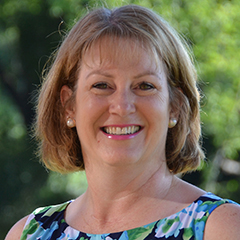 Sandra Hayes, Assistant Superintendent of District Operations, Richardson ISD
Sandra has 30 years of experience in education, all with Richardson ISD. She has held roles in teaching, coaching, central administration, and departments including Curriculum & Instruction, Instructional Technology, and Career & Technical Education. Currently, she serves as the Assistant Superintendent of Operations. Sandra holds an Associate’s Degree, a Bachelor of Science in Education, a Master of Science in Education, and recently completed her Superintendent Certification through the University of North Texas.
Leanne Ingram, Superintendent, Comanche ISD
|
| THURSDAY, APRIL 10, 2025 | 9:45 – 10:45 AM |
| Engaging Brains, Hearts and Bodies through Learning Spaces |
|
Cottonwood Ballroom
This presentation is for those seeking to revolutionize learning spaces through thoughtful site, building, and interior design. We’ll dive into how fulfilling our core human needs is a design principle that can be woven into the very fabric of our educational spaces. Attendees will leave with a blueprint for learning environments that cater to the brain’s need for intellectual stimulation, the heart’s desire for connection, and the body’s demand for movement and safety. This is a call to action for educators, designers, and visionaries to join forces in creating educational environments that celebrate the joy of learning and the art of teaching.
Learning Objectives:
- Understanding Human Needs: Gain insight into the core human needs—intellectual stimulation, emotional connection, and physical movement—and how addressing these needs can positively impact student engagement and well-being in thoughtfully designed educational settings.
- Design Principles for Learning Spaces: Be equipped with actionable design principles that can be implemented to create learning environments that promote cognitive, emotional, and physical health, enhancing the overall educational experience. i.e., the connections between healthy buildings and healthy occupants.
- Strategies for Collaboration: Learn effective strategies for collaborating with educators, designers, and community stakeholders to transform traditional learning spaces into dynamic environments that foster holistic development and well-being. Collaboration is an important part of successful design outcomes.
- Inspirational Examples: Leave with a curated list of successful case studies and innovative practices from schools and educational institutions that exemplify the integration of brain, heart, and body in their learning environments, inspiring them to replicate similar models in their own contexts – from material use and special features to sustainability, accessibility, and acoustics.
Kristina Waugh, Educational Research and Planner, FGMA
Kristina is a former innovative principal with over 33 years of experience in education. She led a design-build project from bond approval to occupancy, collaborating with a community of teachers, students, and parents to create a school that reflected their rich culture and mission. This experience informs her current role as an Educational Planner, where she helps stakeholders envision what is possible in order to create world-class learning facilities. Additionally, she focuses on how to utilize these spaces to enhance the well-being of both students and teachers.
Rebecca Richter, ALEP, AIA, RID, LEED AP, WELL AP, Design Principal, FGM Architects
Rebecca is a practicing Architect in Central Texas with a career focus on educational architecture. In the past 30 years, she has been in design leadership positions for over 20 new PK-12 educational facilities. She is grateful for the recognitions many of the schools have received but is even more grateful for having played a part in the experiences of the students and educators journeying through the facilities. Passionate about the conversations Innovative Learning Environments bring to the table, Rebecca is committed to seeking the balance of designing for human experiences, cultural context, and the natural environment.
 Raechel French, PhD, AISD K12 Planner, Austin Independent School District
Dr. French is a K-12 Planner with a passion for schools, learners, and education. After obtaining degrees in both Architecture and Psychology, she received a Masters of Science in Human Environment Relations concentrating in Facility Planning & Management from Cornell University, focusing her research on K-12 learning environments.
|
| Designing Schools for All Learners: Embracing Neurodiversity and CTE in Middle School Environments |
|
Texas 7-8
We know that students don’t all learn in the same way. They don’t experience physical space in the same way. And they’re not all interested in the same career path. How can a middle school support the success of all learners—including neurodiverse students, those with physical disabilities, and students with skills and interests that go beyond a standard curriculum? Our group of architects, construction directors, and school planning experts collaborated to tackle this challenge when creating Floyd Barksdale Middle School in the Northwest Independent School District of North Texas. With this school as a case study, we will share our insights into planning inclusive learning environments and CTE programs that promote student success. An inclusive approach with universal design principles tips the scales from accommodating some to embracing all. And incorporating CTE spaces expands the definition of favorable outcomes beyond academic achievement to include career readiness and technical skills. From coding to cooking, these courses offer students a break from traditional classes, allowing them to showcase their creativity and innovation.
Learning Objectives:
- Gain a comprehensive understanding of the importance of designing schools that foster the success of all learners.
- Learn to prioritize key goals and aspirations in creating inclusive middle school environments, including planning, budgeting, and addressing unexpected construction challenges.
- Explore the importance of CTE courses and hands-on learning experiences and their connection to future career readiness.
- Evaluate best practices for accommodating neurodivergent students within middle school environments.
 Tommy Osborne, AIA, LEED AP, Executive Director of Construction, Northwest ISD
Tommy is a licensed architect with over 27 years of design, construction, and maintenance experience in a variety of project types and market sectors. He is a 1992 graduate of the College of Architecture, Planning & Design at Kansas State University. As the Executive Director of Construction for Northwest ISD, Tommy oversees a team that drives all the bond projects and other building related projects within the district.
Casey Helmick, Director of Planning, Northwest ISD
Casey is a dedicated educator and leader with over two decades of experience in public education, serving as a teacher, administrator, and curriculum leader. With a passion for STEM and CTE, Casey has advanced initiatives that prepare students for success in an ever-changing world. In her current role as Director of Planning at Northwest ISD, Casey focuses on shaping impactful learning environments through innovative design, effective utilization, and thoughtful construction of educational spaces.
 Barbara Rystrom, AIA, NCARB, LEED AP BD+C, K-12 Leader, Senior Project Manager, Associate, Perkins&Will
Barbara is a K-12 Leader, Senior Project Manager and Associate at Perkins&Will. A registered architect in the U.S. and Mexico, she has 20+ years of experience delivering safe, future-ready spaces to support and inspire K-12 students. Her passion for design and innovative thinking produce spaces that support education while promoting physical, emotional, and academic safety. Barbara has also been identified as an emergent leader on the Global A4LE Strategic Plan Steering Committee.
Maggie Graham, AIA, WELL AP, LEED Green, Project Architect, Associate, Perkins&Will
Maggie is a Project Architect and Associate at Perkins&Will, working in the Interiors studio. Maggie received her Bachelor of Architecture from the University of Texas and has 11 years of experience designing high-performing educational environment
|
| Creating Design Strategies Offering the Best of Educational Outcomes for Students with Disabilities |
|
Wildflower 1-2
Designing accessible and equitable learning environments that amplify the potential and support the well-being and learning journey of students with disabilities allows them to excel and be productive during their educational years and beyond. This assuredly is the best of educational outcomes for this population. Ensuring accessibility for all school children through compliance with the Americans with Disabilities Act (ADA) is a noble goal, but how is this accomplished when financial resources are limited? What are the priorities? What are the ramifications of non-compliance with state and federal access standards? In this informative session, participants will learn where to spend dollars on ADA facility upgrades when dollars are tight and how to address the needs of all students, including underserved groups, protecting schools from complaints and lawsuits. Beginning with a very brief history of the ADA, the session quickly segues into identifying the key access areas on school campuses. Citing both Department of Justice established priorities and actual campus related complaints/lawsuits, it will become clear where resources should be directed when fulfilling their continual barrier removal obligation. This presentation addresses the disruptive forces of social injustice surrounding physical and attitudinal barriers students with disabilities experience in schools today. Information will be shared that creates an optimistic and more effective future for this population by providing creative design solutions to address access barriers, opening doors that previously were closed to students with disabilities. A question-and-answer session will allow attendees to clarify many of their questions and concerns, both technical and otherwise, with a true expert in the field of accessibility compliance.
Learning Objectives:
- Apply a more creative approach to accessible design that focuses on exceeding minimum standards.
- Assess a school facility and identify where greater access in the educational environment is most beneficial and readily achievable.
- Apply a cost-effective approach to accessible design.
- Gain an understanding of which state and federal accessibility codes pertain to schools and about Department of Justice established priorities that clarify where resources should be directed when fulfilling continual barrier removal obligations.
Kristi Avalos, President/CEO, Accessology Too, LLC
Kristi is a nationally renowned leader in providing accessibility consulting services and is a sought-after speaker with a knack for using an upbeat approach to help others understand the complexities of ADA compliance. For over 40 years she has been involved with agencies and organizations that have shaped accessibility legislation and trends. Her company, Accessology Too, LLC, is a national leader and one of the largest U.S. firms dedicated solely to access issues.
|
| Owner’s Perspective on Team Collaboration to Create Favorable Outcomes in Education |
|
Wildflower 3
As an architect or contractor, have you ever asked yourself, "Why did the Owner make that choice?" If so, this session is for you. Join us at the A4LE Southern Region Conference 2025 for an insightful discussion with three district Owner’s Representatives from the Houston area. This session, aligned with the conference theme "Tipping the Scales," will provide design and construction professionals with a deeper understanding of the decision-making processes behind some of the potentially hair-pulling choices made during bond projects. Our presentation will feature insights from experienced representatives of both large and medium-sized districts in the Houston area. These district owners will share their expertise on the decision-making processes behind school construction projects. They will explain how local policies and procedures influence construction delivery methods and discuss the common constraints faced during construction on occupied campuses. Additionally, the presentation will cover the critical timelines and considerations for activating both new and existing schools after construction completion. Attendees will gain valuable insights into effective collaboration with district owners, including what owners appreciate in their architects and contractors, and areas where improvements can be made. This session promises to equip you with the knowledge to better navigate the complexities of school construction projects and foster more productive partnerships with district stakeholders.
Learning Objectives:
- Understand Decision-Making and Policy Influences: Learn how owners from large and medium-sized districts make informed decisions on executing voter-approved bond projects, considering budget constraints, project timelines, educational needs, and stakeholder input, as well as how local policies and procedures influence construction delivery methods.
- Identify and Manage Constraints During Bond Projects: Learn about common issues encountered by district staff and students during all phases of bond projects on occupied campuses. This includes community engagement during pre-design, aligning community perspectives on project timelines, managing expectations versus approved scope and budget, and co-existing with construction activities while campuses are occupied.
- Plan for School Openings and Activations: Understand the timelines and considerations involved in activating both new and existing schools after construction completion, ensuring that all work is completed prior to staff arrival within shortened summer calendars, and managing end-user expectations.
- Gain Insights on Effective Collaboration: Learn what owners appreciate and find challenging when working with architects and contractors, focusing on effective communication, adherence to timelines, and avoiding common pitfalls such as lack of transparency and budget overruns.
 Ashley Dixon, AIA, Director Bond Construction, Fort Bend ISD
Ashley, a licensed architect with over 25 years of experience, leading large-scale bond programs at Fort Bend ISD, the 6th largest district in Texas. As Director of Bond Construction, she and her team enhance learning environments for over 80,000 students by creating safe, modern, and inspiring spaces. Her innovative design solutions include flexible learning areas, improved acoustics, and advanced technology integration, fostering a dynamic educational atmosphere.
 Megan Irvin, Project Manager with the Facilities, Planning and Construction Department, Katy ISD
Megan is a Project Manager with the Facilities, Planning and Construction Department at Katy ISD. She became a member of the Katy ISD team in the spring of 2023. As a Project Manager, Megan manages a portion of the Bond projects including renovations to existing campuses, new construction campuses and additions. Her responsibilities include keeping the projects on schedule, within budget and supporting the team and campus through the design phase all the way to the end of construction.
Megan graduated from Texas A&M University with a Bachelor of Environmental Design and a Masters in Architecture. She is also an architect and worked for 10 years at an architectural firm prior to beginning her chapter at Katy ISD. Megan is proud to live and work in Katy and is excited for her two young daughters to grow up in Katy ISD as well.
Brenda Garcia, Director of Facilities Planning and Construction, Goose Creek CISD
|