| THURSDAY, APRIL 2, 2026 | 10:00 – 11:00 AM |
| Bridging Cultures, Building Success: Re-Imagining Hilton Head Island High School for Every Learner |
| |
Regency Ballroom
How can a decades-old high school evolve into a safe, inspiring, and culturally rooted environment that actively advances student success? This session traces the ongoing re-imagining of Hilton Head Island High School, where a diverse coastal community, district leaders, and the design team have partnered to align facilities with instructional goals and student well-being. Attendees will see how robust engagement with students, educators, families, and community advocates shaped the vision, from early visioning sessions and surveys to cultural touchpoints honoring Gullah-Geechee heritage and the island’s unique identity. The session will highlight design moves that support health, safety, and welfare – improved wayfinding and supervision, flexible learning clusters, indoor-outdoor connections, and inclusive spaces for collaboration, reflection, and support. With Phase 1 (new classroom wing and arts renovation) nearing completion, the presenters will share early lessons from constructing a multi-phase project on an active campus: minimizing disruption, maintaining safe operations, and measuring initial impacts on student experience. Participants will leave with practical strategies for bridging learning environments and student success in their own communities, especially where cultural history, equity, and future-ready learning must be held in balance.
Learning Objectives:
- Describe how a community-based visioning process – including student, faculty, family, and community input – can be translated into clear design drivers that support academic outcomes, belonging, and student well-being.
- Identify specific planning and design strategies (such as safe circulation paths, clear sightlines, appropriate adjacencies, and flexible cluster configurations) that enhance safety, supervision, and psychological comfort in high school environments, particularly during multi-phase construction on an occupied campus.
- Explain how honoring local culture and history – including Gullah-Geechee heritage and community narratives – can inform learning environments that foster inclusion, relevance, and positive identity development for all students.
- Evaluate lessons learned from Phase 1 of the Hilton Head Island High School project regarding phasing, communication, and post-occupancy feedback, and apply these insights to plan future projects that maintain safe operations while incrementally transforming aging campuses.
Educational Visioning: Exhibits an understanding of best and next practices related to educational leadership, programming, teaching, learning, planning and facility design. Establishes credibility with educators, community members and design professionals while conceiving and leading a community-based visioning process. Demonstrates the ability to articulate the impact of learning environments on teaching and learning and uses that ability to facilitate a dialogue that uncovers the unique needs and long-range goals of an educational institution and its stakeholders – translating that into an actionable written/graphic program of requirements for the design practitioner.
 Don Baus, South Carolina Office President, Little Diversified Architectural Consulting, Inc.
Don has more than 27 years of experience designing innovative K-12 learning environments across the Southeast. As President of Little’s South Carolina office, he champions the power of educational facilities to improve student outcomes and community connection. His work emphasizes collaboration, equity, and the psychological impact of space on teaching and learning, resulting in flexible, future-ready schools where every student has the opportunity to thrive.
 Carol Crutchfield, Director of Facilities Planning & Construction, Beaufort County School District
With over 26 years of experience, Carol has led major educational facility initiatives across the Southeast. As Director of Facilities Planning and Construction for Beaufort County School District, she oversees capital improvement and long-range planning efforts. She is known for aligning facility design with instructional goals and community vision, ensuring that learning environments are equitable, adaptable, and responsive to evolving student and neighborhood needs.
 Chris Pettit, Executive Vice President, M. B. Kahn Construction Company
Chris serves as Executive Vice President for M. B. Kahn Construction’s Charleston Division, where he leads preconstruction and construction management services for K-12 and public sector clients across the Lowcountry. With over two decades at M. B. Kahn, he brings deep expertise in CM at-Risk delivery, occupied-campus renovations, and long-range capital programs. Chris holds degrees in Construction Management and Business Administration from Trident Technical College and Charleston Southern University.
|
| From Passion to Pathway: Future-Proofing CTE |
| |
Regency F
As the pace of change in the workforce accelerates, today’s students are preparing for careers that may not yet exist—and Career and Technical Education must evolve accordingly. This session explores how reimagined CTE pathways can move beyond training for a single job to helping students discover their passions, build adaptable skill sets, and develop confidence to navigate multiple career trajectories over a lifetime. Participants will learn how schools and districts are designing innovative, multi-course CTE pathways grounded in transferable skills such as problem-solving, collaboration, and applied learning. Through a hands-on planning activity using CTE pathway cards and real-world campus examples, attendees will examine how curriculum development, work-based learning experiences, and industry partnerships can work together to create learning environments that are flexible, engaging, and future-ready. The session highlights how intentional alignment of curriculum, experiential learning, and space empowers students to leverage their skills wherever their career journey leads.
Learning Objectives:
- Explain how future-ready CTE pathways can prepare students for careers that may not yet exist by emphasizing passion discovery and transferable, life-ready skills rather than single-job training.
- Identify core technical, professional, and durable skills that support student growth across multiple career pathways and inform curriculum development and learning environment decisions.
- Describe strategies for integrating work-based learning experiences—both on campus and through external industry partnerships—to increase student engagement and real-world skill application.
- Apply an innovative pathway-planning activity to rethink CTE course offerings, curriculum opportunities, and spatial needs that support flexible, evolving career pathways for all students.
Educational Visioning: Exhibits an understanding of best and next practices related to educational leadership, programming, teaching, learning, planning and facility design. Establishes credibility with educators, community members and design professionals while conceiving and leading a community-based visioning process. Demonstrates the ability to articulate the impact of learning environments on teaching and learning and uses that ability to facilitate a dialogue that uncovers the unique needs and long-range goals of an educational institution and its stakeholders – translating that into an actionable written/graphic program of requirements for the design practitioner.
 Ian Kilpatrick, AIA, NCARB, K-12 Designer & Architect, SE K-12 Sector Leader, DLR Group
Ian leads DLR Group project teams serving K-12 education clients from the firm’s Charlotte, Kansas City, Nashville, and Orlando locations. He is passionate about creating future-ready learning environments that inspire student engagement and support the diverse physical, neurological, and social needs of both learners and educators.
 Julie Leary, ALEP, AIA, K-12 Architect & Project Manager, DLR Group
Julie is an architect and educational planner with DLR Group who specializes in facilitating educational visioning processes that align learning environments with an institution’s mission, values, and long-range goals. As an A4LE Accredited Learning Environment Planner, Julie brings a deep understanding of best and emerging practices in teaching, learning, and facility design, helping educators and communities articulate how space can support—and transform—educational outcomes. She is known for establishing trust with diverse stakeholder groups and leading inclusive, community-based dialogues that uncover unique needs and aspirations. Julie translates these insights into clear, actionable programs of requirements that guide design teams in creating learning environments that meaningfully support teaching and learning.
|
| The Calmative Place: A Biophilic Wellbeing Intervention for Educator Resilience
|
| |
Regency G
Chronic stress among educators is a global crisis, negatively impacting mental health, professional performance, and teacher retention. While we often design for student success, the wellbeing of the adults in the building is frequently overlooked. Following a 2026 Fulbright Leaders for Global Schools residency in Finland, this session blends international perspectives on educator autonomy and wellness with the science of biophilic design. In Finland, the environment is leveraged as a “third teacher” to support both pedagogical agency and psychological restoration. This session introduces “The Calmative Place,” an architectural intervention grounded in the 15 Patterns of Biophilic Design. We will explore how specific environmental triggers—such as visual connection with nature, thermal variability, and natural analogues—can restore cognitive function and lower physiological stress by up to 60% in just 15 minutes. Attendees will learn how to bridge global best practices with facility planning to create high-performance environments that foster curiosity, mitigate burnout, and “engineer the thrill of learning” for both students and staff.
Learning Objectives:
- Analyze the physiological and psychological impact of chronic stress on educators and identify how biophilic “calmative spaces” can reduce stress levels and improve heart health.
- Identify and categorize the 15 Patterns of Biophilic Design, including Visual Connection with Nature, Thermal & Airflow Variability, and Material Connection with Nature.
- Evaluate the correlation between biophilic interventions and cognitive performance, specifically how these patterns support mental engagement, attentiveness, and creativity.
- Apply “Nature of the Space” patterns (such as Prospect, Refuge, and Mystery) to create educational environments that enhance perceived safety and emotional tranquility.
Educational Visioning: Exhibits an understanding of best and next practices related to educational leadership, programming, teaching, learning, planning and facility design. Establishes credibility with educators, community members and design professionals while conceiving and leading a community-based visioning process. Demonstrates the ability to articulate the impact of learning environments on teaching and learning and uses that ability to facilitate a dialogue that uncovers the unique needs and long-range goals of an educational institution and its stakeholders – translating that into an actionable written/graphic program of requirements for the design practitioner.
 David Cupolo, St James Intermediate School
Dr. David Cupolo is a veteran principal and 2026 Fulbright Leader (Finland) specializing in “Engineering Learning Thrill” to enhance student agency. With twenty years of leadership and a doctorate focused on translating pedagogy into architecture, he bridges global insights with facility planning. David notably led the design of a state-of-the-art school and now helps districts create high-performance environments that foster curiosity, resilience, and long-term success for both educators and students.
|
| Designing Immersive Learning Spaces with Real-World Constraints |
| |
Regency H
Bringing meaningful and innovative learning environments to life requires more than big ideas, it requires thoughtful decisions within real-world constraints. The School District of Pickens County faced funding changes and restructuring requirements for preschool learners, district leadership saw an opportunity to reimagine early learning rather than replicate traditional models. Leaders and educators studied a range of approaches, including touring a nationally recognized early learning academy in Mansfield, Texas, and examining child-led, experiential practices used in Finnish schools. While inspired by these models, Pickens County adapted what they learned to meet U.S. safety standards, budget realities, and local needs, ultimately creating a program designed specifically for their community. In this session, district leaders from Pickens County School District and Exhibit Concepts share how experiential preschool environments were planned, designed, and implemented through close collaboration and intentional prioritization. Attendees will explore how constraints became guiding frameworks for design, scope, and decision-making rather than obstacles. Participants will leave with practical strategies for aligning learning environments to instructional goals, leveraging partnerships, and maximizing impact, even when resources are limited.
Learning Objectives:
- Identify common real-world constraints and understand how those limitations can be leveraged as opportunities for creative problem-solving in the planning and design of educational learning environments.
- Understand how district leadership and design partners can collaborate to balance vision, budget, and instructional goals.
- Explore practical strategies for prioritizing experiential learning elements within existing facilities and funding structures.
- Apply lessons learned from Pickens County School District to inform future planning, renovation, or new construction projects in their own districts.
Educational Visioning: Exhibits an understanding of best and next practices related to educational leadership, programming, teaching, learning, planning and facility design. Establishes credibility with educators, community members and design professionals while conceiving and leading a community-based visioning process. Demonstrates the ability to articulate the impact of learning environments on teaching and learning and uses that ability to facilitate a dialogue that uncovers the unique needs and long-range goals of an educational institution and its stakeholders – translating that into an actionable written/graphic program of requirements for the design practitioner.
 Traci Boyles, Ed.D., Executive Director of Early Childhood Education, School District of Pickens County
Traci is a passionate leader and advocate for early learning and literacy with more than 20 years of experience as a teacher, principal, and director. For the past decade, she has guided early childhood education in the School District of Pickens County, leading efforts that have expanded preschool opportunities, strengthened instructional practices, and built strong partnerships across the community. As Executive Director, Boyles has championed early literacy through initiatives aligned with the Science of Reading, ensuring students build a strong foundation in reading by grade 3. She has recently launched the district’s Academy for Early Learners, an experiential 4K program that blends immersive, play-based environments with evidence-based literacy instruction to promote kindergarten readiness. These efforts, along with collaborative leadership in professional learning and MTSS implementation, continue to raise kindergarten readiness and third-grade reading outcomes. Boyles holds a B.S. in Early Childhood Education from Winthrop University, an M.Ed. in Administration from Clemson University, and a doctorate in Education Systems Improvement Science from Clemson University, where her research focused on literacy and kindergarten readiness.
 Sarah Pfeiler, Education Business Consultant, Exhibit Concept, Inc.
Sarah is a seasoned educator with over two decades of experience in shaping young minds. As a passionate advocate for experiential learning, Sarah has dedicated the last seven years to the development of critical thinking curriculum and delivering engaging presentations that empower educators. Currently, Sarah serves as an education consultant, pioneering the development of experiential learning classrooms that redefine the future of education. Speaking experience to include EdSpaces, GiftED, TXCSS, and BET-C in Arizona.
|
| THURSDAY, APRIL 2, 2026 | 11:30 AM – 12:30 PM |
| Ready to Learn! How the School Environment Shapes Student Success Designing for Neurodiverse Learners Across the School Day |
| |
Regency Ballroom
Student success is shaped not only by classrooms, but by every space students move through during the school day. This session examines how learning environments—including classrooms, hallways, thresholds, and shared spaces—communicate safety, belonging, and readiness to learn. Drawing from research in neuroscience and environmental psychology, participants explore how sensory load, movement, acoustics, lighting, and spatial predictability influence student regulation, behavior, and engagement. Using empathy-driven, perspective-taking activities, attendees experience how design decisions affect learners with diverse needs, including neurodiverse students. Insights from ELS School for Autism in Florida provide a real-world perspective on how intentional design of transitions and in-between spaces supports regulation, dignity, independence, and daily learning routines. Participants will leave with practical, evidence-based strategies for designing learning environments that promote student well-being, accessibility, and success—before instruction even begins.
Learning Objectives:
- Explain how research in neuroscience, environmental psychology, and social-emotional learning informs the design of classrooms and in-between school spaces.
- Experience how sensory, spatial, and transitional design decisions influence student regulation, engagement, and readiness to learn through empathy-driven perspective-taking activities.
- Evaluate learning environments—such as classrooms, hallways, and shared spaces—using a student-centered lens to identify barriers and opportunities for diverse and neurodiverse learners.
- Apply evidence-based design strategies that support accessibility, self-regulation, belonging, and student success across the entire school day.
Educational Visioning: Exhibits an understanding of best and next practices related to educational leadership, programming, teaching, learning, planning and facility design. Establishes credibility with educators, community members and design professionals while conceiving and leading a community-based visioning process. Demonstrates the ability to articulate the impact of learning environments on teaching and learning and uses that ability to facilitate a dialogue that uncovers the unique needs and long-range goals of an educational institution and its stakeholders – translating that into an actionable written/graphic program of requirements for the design practitioner.
 Lizzie Scott, Business Development Manager, Artcobell
Lizzie is a former educator and educational design professional focused on creating inclusive, student-centered learning environments. Drawing on her classroom experience and background in research, program development, and user experience, her work examines how space, movement, and choice impact student success. Lizzie collaborates with educators, designers, and administrators to bridge pedagogy and design, supporting equitable, engaging, and well-being–focused learning environments.
 Debbie DeBartolo Wilkinson, ALEP, AIA, LEED AP, FCP Managing Principal, West Palm Beach & A4LE Florida Chapter President, PBK
Debbie is a visionary leader and accomplished architect with over 37 years of experience shaping transformative educational and civic facilities. Her work reflects a strong commitment to innovation, sustainability, and community enrichment. Known for her dynamic, hands‑on management style, she fosters effective collaboration and empowers multidisciplinary teams to excel. An active community and professional contributor, she is a certified Florida CPTED Practitioner. As A4LE Florida Chapter President, she champions developing future architects and engineers and believes education drives opportunity and innovation.
 Dr. Marlene Sotelo, EdD, BCBA-D, MT-BC, Executive Director, ELS for Austism Foundation
Dr. Marlene Sotelo is a seasoned professional with over 30 years of experience supporting individuals of all ages with autism and developmental disorders. As Executive Director of Els for Autism, she leads global programs, research initiatives, fundraising, and operations at The Els Center of Excellence. Under her leadership, the organization has become a worldwide leader in innovative services and evidence‑based practices. Before joining Els for Autism in 2014, she served 12 years as Director of Education and Training at the UM‑NSU Center for Autism & Related Disabilities. Dr. Sotelo holds a Doctorate in Special Education and is a special educator, board‑certified music therapist, and doctoral‑level behavior analyst. An international speaker, consultant, and researcher, she is dedicated to expanding opportunities and promoting inclusion for individuals on the autism spectrum.
 Dr. Magda Mostafa, Co-Founder, Principal, StudioTM, Autism & Neuro-Inclusive Architecture
Magda Mostafa is Founding Partner and Principal of StudioTM, a design consultancy based in Dubai specializing in Autism and Neuro-Inclusive Design, as well as Professor of Design at the American University in Cairo. She is the author of the ASPECTSS® Design Index, the world’s first research-based design framework for autism. ASPECTSS was awarded the UIA Triennial Research Award in 2014 and Mostafa is the only laureate to be presented this award twice, awarded again in 2023 for her Autism Friendly University Design Guide. Through her consulting ASPECTSS has been used in architectures for autism and neurodiversity across 5 continents and her work has been presented globally and was most recently exhibited at the 2021 and 2023 Venice Architecture Biennales. She collaborates globally with leading architectural practices on typologies ranging across residences, schools, healthcare, sports and recreation as well as the urban city scale. Information about her work can be found at her website www.autism.archi and www.studio-tm.online.
|
| Beyond the Stage: How Performing Arts Facilities Drive Innovative Education, Student Opportunity, and Economic Growth |
| |
Regency F
This insightful presentation examines how innovative performing arts facilities can elevate educational achievement and foster stronger community connections. Featuring Will Anderson, Executive Director of Operations for Richland County School District Two, and Matt Warren, Deputy Superintendent, Lexington County School District Two, alongside Ben Thompson and Michelle Smyth, two experienced ALEP architects, advisors and planners, this session explores how two different school districts leverage STEAM strategies, programs, and facilities to create new opportunities for students, enhance recruitment and retention, and serve as economic catalysts for local businesses. The Richland Two Performing Arts Center, located on the R2i2 campus, exemplifies a district-wide commitment to student-centered education and creativity. Attendees will learn how this facility addressed a critical need identified through STEAM initiatives, how it aligns with a comprehensive educational approach across grade levels, and how strategic planning ensured its integration into broader district goals. The discussion will also highlight Lexington Two’s approach to performing arts programming and facilities, offering insights into how similar investments can be adapted to meet diverse district needs. This session provides practical guidance on the strategic planning and design interventions that make new or renovated facilities successful, from developing programmatic criteria and engaging stakeholders to incorporating advanced technology and flexible learning spaces. Attendees will leave with actionable strategies for creating environments that inspire creativity, foster collaboration, and prepare students for future careers, while simultaneously strengthening community bonds and stimulating local economies.
Learning Objectives:
- Understand the role of innovative facilities in STEAM education: Learn how performing arts centers support STEAM education through advanced technology and flexible spaces that attract educators and prepare students for future careers.
- Demonstrate the educational impact of arts programs: Gain insight into strategies that unify multiple programs across schools and districts to elevate long-term student outcomes.
- Explore active, student-centered environments in facility design: Discover how performing arts facilities align with broader educational goals and foster holistic development through artistic and academic activities.
- Analyze strategic planning and design processes: Understand how to secure community buy-in and develop programmatic criteria addressing flexibility, technology, equipment, and security needs.
- Evaluate community and economic impact: Learn how investments in educational infrastructure strengthen community ties, enhance recruitment and retention, and serve as economic drivers.
Educational Visioning: Exhibits an understanding of best and next practices related to educational leadership, programming, teaching, learning, planning and facility design. Establishes credibility with educators, community members and design professionals while conceiving and leading a community-based visioning process. Demonstrates the ability to articulate the impact of learning environments on teaching and learning and uses that ability to facilitate a dialogue that uncovers the unique needs and long-range goals of an educational institution and its stakeholders – translating that into an actionable written/graphic program of requirements for the design practitioner.
 Will Anderson, Chief Operations Officer, Richland County School District Two
Will is the Chief Operations Officer for Richland School District Two in Columbia SC, where he provides safe and secure learning environments and support services to students and staff. Will has been COO since 2017. Prior to COO, he was the Director of Planning for Richland Two. Will has a B. S. in Geography from University of South Carolina and Masters in Public Administration from Clemson University. He is active in his community through involvement with coaching youth sports, serving on the American Heart Association Board, past president of the SC Chapter of A4LE and other charitable organizations. Will and his wife live in Columbia SC with their two boys.
 Matt Warren, Deputy Superintendent, Lexington County School District Two
Matt serves as the Deputy Superintendent of Lexington County School District Two, bringing nearly two decades of experience in public education and district operations. He joined Lexington Two following his service in Lexington School District One, where he held a series of progressively senior leadership roles, including Interim Chief Operations Officer, Director of Operations, Operations Program Manager, and Coordinator of Student Services. Matt began his career as a secondary resource teacher at White Knoll High School before advancing to roles such as occupational credentials instructor, assistant administrator at White Knoll Middle School, and assistant principal at Gilbert High School. He holds a bachelor’s degree from Presbyterian College and a master’s degree from the University of South Carolina. Matt is known for his strong leadership and commitment to student-centered decision-making.
 Ben Thompson, ALEP, AIA, NCARB, K-12 Director, McMillan Pazdan Smith
Ben is a firm principal who leads the dedicated K-12 Practice Area that works on behalf of education clients throughout the Southeast. Ben and his team provide the advisory, planning, and design services that help school districts fulfill their missions of empowering students to become future leaders, creators, and collaborators. As an Accredited Learning Environment Planner (ALEP), Ben is focused is on providing strategic planning, district-wide facility assessment, and Capital Improvement Planning for public and private school organizations. His experience includes engaging district and community stakeholders in developing successful building programs, including the coordination of school construction financial advisors and attorneys. Ben has served a variety of communities as an architect for large scale educational facilities and complex additions, renovations, and restoration projects.
 Todd Sease, AIA, LEED AP
Todd has over 40 years of experience in the planning and design of new and renovated spaces in educational, athletic, and corporate realms. As a LEED Accredited Professional, Todd has a thorough understanding of green building practices and sustainable design. He successfully led the design for the first LEED Certified medical office building in South Carolina, and the first LEED Certified schools in Lexington and Beaufort Counties. He was the principal-in-charge for Lexington School District 2’s Performing Arts + District Education Center. Todd is committed to collaboration and design that supports functional and community-focused outcomes.
|
| Personalized Student Learning: Designing Learning Environments that Support All Learners |
| |
Regency G
This presentation explores Personalized Student Learning: Designing Learning Environments that Support All Learners by examining how instructional practices, technology, and physical space work together to meet diverse student needs. Participants will define personalized learning and analyze how it differs from traditional classroom models, with a focus on learner agency, flexibility, and engagement. The session also addresses how the COVID pandemic accelerated the adoption and evolution of personalized learning technologies, reshaping instructional delivery and classroom expectations. Finally, the presentation explains how intentional design of the physical learning environment, including furniture, layout, and adaptability, supports and enhances personalized learning, enabling inclusive, responsive spaces that empower all learners to succeed.
Learning Objectives:
- Define personalized learning.
- Describe how traditional classroom environments differ from personalized classroom environments.
- Understand how the COVID pandemic quickened the development of personalized learning technology.
- Explain how the physical learning environment supports and enhances personalized learning.
 Nicole McGregor, Smith System
Nicole is an accomplished education professional with over 15 years of experience. She spent 11 years as a middle school teacher, during which she developed curriculum and led professional development at both the school and district level. Nicole holds a master’s degree in education and has leveraged her expertise into the field of educational furniture for the past six years. In this role, she has worked closely with schools to research the positive impact of the built environments on student success. She also holds an ECLPS certification and co-authored a white paper on the impact of learning environments, making her a key contributor to thought leadership in the intersection of education and learning spaces. Since 2021, Nicole has served on the NC A4LE board, where she has played a key role in organizing annual conferences, promoting the organization, and increasing member participation. Her expertise and leadership continue to shape the conversation at the intersection of education and innovative learning environments.
|
| Walls That Speak: Branding and Graphics for Fun, Engaging Schools |
| |
Regency H
This presentation dives into the magic of bringing schools to life through colorful, playful, and purposeful design. From hallways to classrooms, environmental graphics and branding can transform ordinary spaces into immersive experiences that celebrate learning, spark creativity, and ignite school pride. Attendees will explore how engaging visuals and playful design elements can reinforce a school’s unique culture, strengthen community identity, and make every corner of a campus feel welcoming and inspiring. We’ll highlight examples of how graphics can turn walls into storytelling canvases, wayfinding into a fun adventure, and common areas into spaces that radiate energy and belonging. Participants will leave with practical insights on how to use visual branding not just as decoration, but as a powerful tool to amplify design, engage students, and foster pride in every school community.
Learning Objectives:
- Understand the Role of Visual Identity in Schools: Learn how branding elements—such as color palettes, typography, and imagery—can communicate a school’s mission, culture, and values through its built environment.
- Explore the Impact of Environmental Graphics on Engagement: Examine how visual storytelling and interactive graphics can encourage student curiosity, connection, and pride in their school community.
- Integrate Branding Seamlessly with Architectural Design: Identify strategies for aligning environmental graphics with spatial design to create cohesive, immersive experiences that enhance functionality and wayfinding.
- Use Color and Playfulness to Support Positive Learning Environments: Discover how intentional use of color, texture, and playful design elements can energize spaces, promote creativity, and contribute to an uplifting atmosphere for students and staff.
Design of Educational Facilities: Acts as a resource to the design team in providing ongoing guidance and support to ensure that the emerging and ultimate design aligns with the established community vision, education goals, future programming, written design standards, best/next practices and education policy.
 Namrata Dani, AIA, LEED AP, NCARB, Fitwell Amb., Project Architect, Corgan
Namrata is a Project Architect in Corgan’s Education studio out of Atlanta. Namrata is a scholar of the AIA Georgia Christopher Kelley Leadership Development Program Class of 2022, and the Co-Chair of AIA Georgia’s Equity in Architecture committee. Given her childhood in India, she’s passionate about advancing underrepresented voices to the design table and has focused her efforts to forge ahead equity, diversity, inclusion and belonging in the profession through the AIA.
 Jason Mellard, AIA, LEED AP
|
| THURSDAY, APRIL 2, 2026 | 2:00 – 3:00 PM |
| From Mall to Meaning: Reimagining a Vacant Retail Anchor as a Bridge Between Learning and Lifelong Success |
| |
Regency Ballroom
The Woody Williams Center for Advanced Learning and Careers reimagines a dormant 230,000 SF Sears store into one of West Virginia’s most progressive career and technical learning environments. This session explores how its design and planning intentionally bridge K–12 education, adult learning, workforce development, and community revitalization. With over 20 diverse career pathways, from traditional trades to graphic design, coding, aerospace engineering, and medical assisting, the center provides students with meaningful exposure, identity development, and equitable access to high-demand, high-wage futures. Through transparent glass-fronted labs, authentic workplace environments, and collaborative zones, the design challenges outdated stigma surrounding career technical education and celebrates the value of skilled professions. Presenters will discuss how adaptive reuse reduced costs, expanded access, and created room for multigenerational programming, including year-14 and adult evening courses. Featuring design leaders and district leadership, this session highlights the operational, educational, and community priorities that shaped the project, offering actionable strategies that participants can bring back to their own districts. Attendees will leave with a fresh perspective on reclaiming underused assets and creating environments that empower learners at every stage of life.
CALL TO ACTION
Attendees will be encouraged to:
- Identify underutilized community spaces for educational transformation.
- Elevate career learning through design strategies that reinforce dignity and visibility.
- Engage industry partners early to align learning to workforce needs.
- Consider year-14 and adult pathways to support multigenerational impact.
- Design for identity, belonging, and future-ready preparation in every learning space.
Learning Objectives:
- Identify three design strategies that elevate career technical education and increase student agency through transparency, collaboration, and authenticity.
- Evaluate benefits and challenges of converting large retail assets into educational environments through adaptive reuse.
- Understand how district priorities—operations, workforce demand, and safety—inform programming and design decisions.
- Recognize the value of multigenerational learning pathways and how they expand equitable access to opportunity.
- Apply lessons from Cabell County’s process to district planning, partnership-building, and long-term facility strategy.
Educational Facility Pre-Design Planning: Manages a master planning process that combines educational planning, facilities assessment and utilization, demographic research, capital planning and educational specifications with a community-based vision to establish a plan for learning environments. This includes the ability to translate existing or aspirational instructional models to specific programming and spatial relationships.
 Dave Ferguson, AIA, REFP, Principal Architect, ZMM Architects + Engineers, LLC
Dave is President and CEO of ZMM Architects + Engineers and a statewide leader in educational facility design. With more than 40 years of experience, Dave has guided major K-12 and higher education projects, emphasizing environments that elevate student experience, strengthen community identity, and support emerging workforce needs. He led the vision and design development of the Woody Williams Center.
 Carly Chapman, ALEP, Director of Interior Design, ZMM Architects + Engineers, LLC
Carly is Director of Interior Design at ZMM Architects + Engineers, where she leads K-12 and career-technical education projects across West Virginia, Ohio, and Virginia. Carly works closely with educators and communities to listen, shape, and translate vision into learning environments that feel authentic and welcoming. Her work emphasizes human-centered design, transparency, and spaces that support student exploration, dignity, and real-world learning.
 Justin Boggs, Deputy Superintendent, District Operations and Support, Cabell County Schools
Deputy Superintendent of Cabell County Schools, Justin oversees the District Operations & Support Division, including personnel, safety, transportation, food service, grounds, maintenance, utilities, custodial services, and major capital improvements. His leadership and operational planning were key to shaping the district goals and community vision behind the Woody Williams Center.
|
| Equity Through Standards: Spartanburg 5’s Innovative Approach to Learning Environments |
| |
Regency F
In an era where learning environments play a pivotal role in shaping educational outcomes, designing furniture environments that align with a district’s values and operational goals is essential. This session explores strategies for building standard furniture environments in collaboration with Spartanburg 5 school district with a strong curiosity around how the environments impact student success. By focusing on equity, exploring the balance of seeking feedback, and creating processes that streamline future furniture orders, this approach ensures that all students have access to inclusive, inspiring spaces that promote learning and well-being. Attendees will learn how these practices foster collaboration, simplify decision-making, and result in sustainable, adaptable environments. Whether designing a new school or refreshing existing spaces, participants will leave equipped with actionable insights to enhance their district's furniture planning and procurement processes.
Learning Objectives:
- Understand Equity in Furniture Design: Learn how to apply equity principles to furniture selection and arrangement, ensuring that all students—regardless of ability, background, or needs—experience inclusive and supportive learning environments.
- Explore Spartanburg 5’s Process for Standardization: Experience the real life steps that Spartanburg 5 took while gathering feedback from both district personnel and school based staff to develop furniture standards that meet instructional needs.
- Develop a Seamless Standardization Process: Learn how to establish clear, replicable furniture standards that simplify procurement, reduce costs, and maintain design consistency across the district’s schools and facilities.
- Streamline Future Furniture Orders: Explore best practices for creating a structured, efficient process that enables future furniture updates or expansions to align effortlessly with established standards, saving time and resources.
Design of Educational Facilities: Acts as a resource to the design team in providing ongoing guidance and support to ensure that the emerging and ultimate design aligns with the established community vision, education goals, future programming, written design standards, best/next practices and education policy.
 Kacey Austin, Procurement Officer, Spartanburg District 5
Kacey is the Procurement Officer for Spartanburg County School District Five, supporting over 11,000 students. With 12+ years of experience, she has led procurement for 12 construction projects, including six completed in summer 2024. Outside of work, Kacey enjoys planning memorable adventures with her husband and two children, ages 12 and 9, from sporting events to vacationing in new destinations.
 Becky Baylor, Learning Experience Coordinator, Meteor Education
Becky is a passionate educator who delivers high-energy presentations that invite audiences to engage in deep thinking about educational practices and research while considering their own learning environments. Educators love working with Becky, often describing her as the “coach I never knew I needed.” With over fifteen years of public school teaching and coaching experience, a knack for making meaningful connections with educators and an insatiable appetite for helping others develop their potential, Becky loves connecting with teams to provide training so that others can effectively impact their spaces too.
 Shayne Daugherty, Principal, Spartanburg District 5
Shayne is no stranger to Spartanburg District Five, having first joined the district in 2017, when he was named Assistant Principal of Abner Creek Academy. In 2020, he was promoted to Principal at the school, where he served proudly until July 2023, when he officially assumed the role as Principal of Tyger River Elementary. Daugherty began his career in education as a middle school science teacher, then went on to teach at Chapman High School in neighboring Spartanburg District One. He has held every role from teacher, to coach, Assistant Principal and Principal at the elementary, middle and high school level. Daugherty graduated with his Bachelors in Biology from Wofford College and his Masters in Educational Administration from the University of South Carolina. Speaking of this new role, Daugherty says, “I’m just so grateful for this opportunity and am really excited to be a part of establishing a brand new school. It’s not every day you get the chance to build a school from the ground up, and I’m just looking forward to forming a family at Tyger River and making it one of the best schools in Spartanburg District Five.” When he's not at school, Daugherty enjoys spending time outdoors and traveling in his motor home with his wife, Karen, and daughter, Cora.
|
| From Intent to Impact: Where Research, Design, and Student Success Converge |
| |
Regency G
This session illustrates how intentional design decisions can measurably improve student outcomes and overall school climate. School design plays a critical role in shaping student success, influencing academic achievement, engagement, well-being, belonging, behavior, and teacher practice. In addition to sharing research findings that draw from evidence linking biophilic and student-centered design to improved outcomes, the session incorporates an interactive, workshop-style component in which participants collaboratively examine design features, identify intended outcomes, and consider how post-occupancy assessment can be used to evaluate impact and communicate value to districts and communities. The session reflects the conference theme, Bridging Design with Student Success, by actively connecting research, design practice, and measurable educational outcomes.
Learning Objectives:
- Explain how biophilic and student-centered design strategies influence student learning, engagement, emotional well-being, belonging, school climate, and teacher satisfaction.
- Apply a post-occupancy assessment framework to evaluate whether a school’s design is supporting intended academic, behavioral, and well-being outcomes.
- Use research evidence and post-occupancy findings to communicate the connection between design decisions and outcomes such as improved student performance, reduced absenteeism, and enhanced well-being.
- Participate in interactive discussion to connect desired student outcomes with specific design features and identify methods for measuring success to strengthen future design decisions.
Assessment of the School Facility: The ability to objectively evaluate a learning environment post-occupancy and utilize that data to improve future projects. Implements a plan for educational commissioning that provides guidance on how to use and maximize the learning environment to meet the foundational vision established in the planning phase.
Will Anderson, Chief Operations Officer, Richland School District Two
Will is currently the Chief Operations Officer for Richland School District Two in Columbia SC. In that role Will’s primary role is to provide safe and secure learning environments and those support services to students and staff. Will has been COO since 2017. Prior to COO, Will was the Director of Planning for Richland Two. Will has a B. S. in Geography from University of South Carolina and Masters in Public Administration from Clemson University. Will is active in his community through involvement with coaching youth sports, serving on the American Heart Association Board, past president of the SC Chapter of A4LE and other charitable organizations. Will and his wife live in Columbia SC with their two boys.
 Crystal Ball O’Connor, Ph.D., Education Specialist, Craig Gaulden Davis/PBK
Crystal Ball O’Connor, Ph.D. is Craig Gaulden Davis Architecture’s Education Specialist, and works to improve the understanding of how education spaces can enhance teaching and learning then incorporate that understanding into the design of excellent schools. She served on the Greenville County School Board for 20 years, and played a lead role in the nationally recognized program that built or renovated 70 excellent schools over a six year period. Crystal received her Doctorate in Education and Human Development from Vanderbilt University.
 Ali McClure, AIA, Senior Associate, Project Manager, Craig Gaulden Davis/PBK
Ali is an accomplished architect with experience in a variety of market sectors. Through her career at Craig Gaulden Davis Architecture, she has developed a passion for researching and thoughtfully designing k-12 educational spaces. Over the past eight years, she has played a key role in innovative, award-winning educational projects that foster engaging learning environments. Ali has also been instrumental in research development and knowledge sharing for learning environments. Active in the community and professional organizations, Ali has exemplified leadership and professionalism through her dedication and service to the American Institute of Architects (AIA) at local, state, and national levels and the Association for Learning Environments (A4LE). She is the distinguished recipient of the 2025 AIA Greenville Young Architect Award and the 2023 AIA South Carolina Associate Award showcasing her commitment to bettering the profession of Architecture.
 Scott Powell, Managing Senior Principal, Craig Gaulden Davis / PBK Architects
Scott is passionate about educational spaces and student well-being. He is recognized for designing exceptional learning environments that treat facilities as interactive partners in learning inside or outside of the building; they inspire creative thinking, promote hands-on-learning, and foster connections with others. Scott is a deeply involved architect who generously uses his talents to improve the quality of life of public and educational communities. Working closely with community members to discover how a learning environment will work best, Scott’s expertise allows a fluidity between incorporating users’ needs and anticipating problems that resulting in safe, beautiful, inspiring, and value-conscious schools. His leadership has led to the design of state-of-the-art, award-winning schools that feature innovative, dynamic spaces that engage students and teachers, and in many cases, change their lives. Scott has led many community and professional organizations including the Association for Learning Environments (A4LE), PTA, Rotary, and the Greenville Chapter of the American Institute of Architects. He currently serves as one of two architects on the South Carolina Office of School Facilities Planning Guide Committee.
|
| The Butterfly Effect: Designing Schools Where Students Can Spread Their Wings |
| |
Regency H
Architecture can provide transformative design solutions, helping to create meaningful, productive, and flexible spaces. Butterflies can symbolize the transformative, exploratory and individualized nature of education. Just as caterpillars turn into butterflies, children evolve through guided learning, curiosity-driven discovery and reflective challenges. Formative educational experiences can have a lasting influence on a child’s intellectual and emotional trajectory. Butterflies are unique in their patterns, wings, and colors. Similarly, children are unique in their diverse skills, personality traits, and learning styles. This session will explore how designing education spaces can nurture individual strengths and personalized learning, and transform the students and teachers within those spaces for success. This session will highlight Robert Smalls K-8 Leadership Academy and Second Ward Medical Magnet High School; two schools that are rooted in community and how their deep history is inspiring and bridging toward the future of students today.
Learning Objectives:
- Understand Architecture as a catalyst for transformation: recognizing how thoughtfully designed educational spaces can foster creativity, flexibility, productivity as well as wellbeing for both students and educators.
- Examine how learning environments can nurture personalized education: supporting individualized strengths while encouraging collaboration, discovery, and leadership.
- Analyze formative educational experiences: understanding how early learning environments leave lasting impacts on students’ academic paths and emotional development.
- Apply design principles that empower transformation: envisioning educational spaces that evolve with students and teachers, inspiring growth, equity, and long-term success.
Design of Educational Facilities: Acts as a resource to the design team in providing ongoing guidance and support to ensure that the emerging and ultimate design aligns with the established community vision, education goals, future programming, written design standards, best/next practices and education policy.
 Mary Beth Branham, AIA, K-12 Leader, LS3P
Mary Beth has over 40 years of experience in K-12 school projects and is the firmwide K-12 Practice Leader. She has become a thought leader around the state (and beyond) for her expertise in public educational facilities. She is current in best practices for the design of leading-edge learning environments and is highly experienced in navigating complex institutional projects at all phases of design and construction. Due to her innate ability to collaborate with clients and understand the users’ needs, Mary Beth serves as the Programming and Community Engagement Leader on many of our projects. She is highly skilled at programming and initial design stages of projects.
 Kameron Quick, AIA, Project Manager, LS3P
Kameron joined LS3P in 2013 after graduating from the University of North Carolina Charlotte with a Master of Architecture; she also holds a degree in Business Administration from Emory University with a focus on Communications and Management. Her business experience laid the foundation for her clear communication skills, polished presentations, and emphasis on teamwork. As a result of her combined business and design background, Kameron smoothly transitions between big picture issues and intricate details. She is comfortable tackling design issues at the scale of the city and at the scale of the minutiae, thereby providing a comprehensive and cohesive design.
 Kyle Novak, AIA, Senior Associate and Project Manager, LS3P
Kyle is a Senior Associate and Project Manager with a strong focus on K-12 educational design. Since joining LS3P in 2017, she has become a key leader in delivering inclusive, high-performing learning environments across North Carolina. With a Master of Architecture from Tulane University and a Bachelor of Arts in Mathematics from Clemson University, Kyle brings analytical rigor and educational insight to her work. Her leadership is grounded in collaboration, clarity, and a commitment to creating spaces that serve communities with lasting impact.
 Robert Oetting, Chief Operations Officer, Beaufort County School District
Robert is the Chief Operations Officer for the Beaufort County School District, overseeing facilities, construction, maintenance, custodial, grounds, transportation, and capital programs across more than 4 million square feet for 22,000 students. He is a registered Professional Engineer in South Carolina with over 25 years of experience in school construction and operations in both the public and private sectors. His work focuses on capital program delivery, maintenance performance, and operational accountability. Robert currently serves on the A4LE South Carolina Board as Past President.
 Vincent Spencer, Senior Project Manager, LeChase Construction Services
Vincent has more than 20 years of industry experience, working in project and design management roles for two Charlotte-area firms prior to joining LeChase. He holds a B.S. in architectural engineering from North Carolina Agricultural and Technical State University, as well as a master’s in architectural design from the University of Illinois at Urbana-Champaign. He has a LEED AP® certification through the U.S. Green Building Council and earned the Crime Prevention Through Environmental Design Certified Professional distinction in 2019. Spencer is an Executive Board member of the North Carolina Chapter of The National Organization of Minority Architects, and is involved in the ACE Mentor Program of Charlotte. He is also a member of the Charlotte-Mecklenburg Schools Workforce Development Board.
|
| THURSDAY, APRIL 2, 2026 | 3:30 – 4:30 PM |
| Designing for Lift-Off: How Campus Thinking Transforms the Middle School Experience |
| |
Regency F
This session explores how a middle school can become more than a standalone building by operating as an integrated learning ecosystem within a larger, multi-use campus. Through collaborative design strategies, Guilford County Schools’ Kiser Middle School demonstrates how circulation, adjacencies, and spatial sequencing can reduce friction while increasing connection—between students, programs, and the broader community. Attendees will learn how flexible interiors, purposeful outdoor learning environments, and a clear architectural identity can support curiosity, creativity, and student ownership. The conversation reframes “good school design” as an experience that empowers students to move, gather, create, and belong with intention.
Learning Objectives:
- Understand how campus-wide planning decisions directly influence daily student experience, safety, and clarity of movement in complex K-12 environments.
- Identify design strategies that support flexibility and student agency, including adaptable learning spaces, shared commons, and indoor-outdoor teaching environments.
- Evaluate how architectural form and spatial organization contribute to identity and belonging, particularly for middle school learners navigating a critical developmental stage.
- Apply ecosystem-based thinking to future school projects, shifting from isolated buildings toward connected environments that serve students, educators, and the surrounding community.
Design of Educational Facilities: Acts as a resource to the design team in providing ongoing guidance and support to ensure that the emerging and ultimate design aligns with the established community vision, education goals, future programming, written design standards, best/next practices and education policy.
 Andy L’Esperance, ALEP, Director of School Projects, GVSA
Andy brings more than a decade of experience designing learning environments across K-12, higher education, and community-focused projects. As GVSA’s Director of Education Projects and an accredited learning environment planner (ALEP), he leads school and campus work with a thoughtful, detail-driven approach, helping shape spaces that support students, educators, and the communities they serve. With a background in both architecture and as a accredited teacher, Andy understands how the built environment directly impacts learning and performance. He works closely with clients and project teams to translate educational goals into purposeful, welcoming spaces, believing that well-designed schools are an investment in people and long-term community success.
Jason Mellard, AIA, LEED AP, Senior Project Manager – Vice President, Corgan
Jason has over 20 years of experience dedicated to education architecture with a keen interest in the overlay of educational advancements, personalized learning, and developmental studies with virtual and physical environments. He has a passion for crafting spaces that inspire, inform, and innovate, partnering with clients to foster collaboration between students, educators, and professionals. Jason has been published numerous times on best practices and innovations.
|
| From Assessment to Action: A Strategic Guide to Modernizing Aging Campuses |
| |
Regency G
Modernizing school campuses to meet the evolving needs of students presents both challenges and opportunities for districts nationwide. How can institutions effectively integrate both sustainability and accessibility into these renovations in a way that aligns with operational efficiency and budgetary constraints? What strategies ensure that these goals complement one another rather than compete for resources? For the Kentucky School for the Blind (KSB), a detailed assessment of its aging campus revealed the urgent need for improvements to better serve its visually impaired student population. As the only institution in the state dedicated to educating blind or visually impaired students of all ages—an often underserved and underrepresented group—the boarding school faces unique challenges. Reliant on public funding, KSB must navigate limited resources amidst a competitive legislative process, making it essential to carefully vet every investment to ensure maximum impact. As a result, the campus assessment identified key areas of focus—residence halls, dining facilities, and academic buildings—that were essential to the day-to-day experiences of students and staff. The resulting renovation project provided a chance to integrate innovative design, sustainability, and accessibility while maintaining a keen focus on budget constraints and operational efficiencies. At the heart of the KSB campus transformation was the installation of a geothermal wellfield, providing energy-efficient heating and cooling to four major buildings. This sustainable system, coupled with upgrades to MEP systems, enhanced indoor air quality in residential spaces, reduced carbon emissions, replaced an inefficient steam plant—all while significantly cutting operating costs. Equally important were design enhancements aimed at improving accessibility and supporting the unique needs of visually impaired students. These included features such as enhanced lighting and controls in community spaces to foster connection and communication. Attention to lighting, acoustics, and thermal comfort further emphasized safety and usability for all students. The strategic phased approach to construction was pivotal, with major work completed during summer breaks to minimize disruptions to academic operations. This streamlined sequencing enabled a smooth transition for students and staff, ensuring that renovations could proceed without compromising learning experiences. By staying within budget constraints and adopting a thoughtful, inclusive design approach, KSB achieved modernization goals that balanced sustainability, accessibility, and cost-effectiveness. The lessons from KSB extend far beyond one campus. This project stands as a valuable example for school administrators, design professionals, and decision-makers across other districts aiming to renovate aging campuses. It underscores the importance of thorough campus assessments to guide renovation priorities, demonstrates how phased construction schedules can minimize disruption, and highlights the benefits of blending accessibility with energy efficiency. KSB’s success proves that equitable access, sustainability, and fiscal responsibility can converge to create meaningful and lasting change for the students and communities they serve.
Learning Objectives:
- Explore the role of financial decision-making, including considerations like Life Cycle Cost Analysis (LCCA) and operation and maintenance costs, in extending the longevity of campus facilities for future generations.
- Apply effective strategies for planning, designing, and scheduling campus renovations to meet tight schedule and budget constraints while minimizing disruptions to the learning environment.
- Identify the benefits of geothermal central energy plants in addressing the diverse needs of multi-building campuses, ensuring efficiency, sustainability, and utility cost savings.
- Examine how infrastructure upgrades directly influence academic success by supporting faculty, staff, and students.
Educational Facility Implementation, Project Management/Project Delivery: Has a working understanding of how the following areas impact the facility program: regulations and policies; project delivery methodologies; scheduling; preventative maintenance; life-cycle planning; and systems commissioning.
 Walter "T" Hulett, Superintendent – Kentucky School for the Blind & Kentucky School for the Deaf, Kentucky Department of Education
Walter has devoted more than four decades to public education, including distinguished service as a superintendent and later as a state supervisor with the Kentucky Department of Education. As superintendent, he led districts through academic improvement, strategic planning, and accountability initiatives, always centering students and educators. His work at KDE reflects a deep commitment to strengthening schools, supporting teachers, and ensuring every student has access to high-quality, equitable educational opportunities across the Commonwealth of Kentucky.
 Carter Seibert, PE, Mechanical Engineer, CMTA
Carter is a mechanical engineer specializing in high-performance HVAC system design, delivering exceptional results across K-12 schools and higher education institutions. His holistic and integrated approach to building design ensures that engineering solutions are not only tailored to meet each client's unique needs but are also sustainable and cost-effective. He is adept at balancing budgetary constraints, project schedules, sustainability objectives, and client-specific challenges.
 Paul Graves, PE, Principal, CMTA
Paul brings over 18 years of expertise in strategic planning, collaborative relationship-building, and advancing sustainable design in the built environment. A seasoned leader, he has managed large-scale construction projects, including over 10,000 residential beds, with a focus on aligning schedule, budget, and design. Passionate about decarbonization and mentorship, Paul is dedicated to delivering innovative project solutions and fostering growth for the next generation.
|
| Beyond the Classroom Walls: Designing Outdoor Learning Environments that Bridge Education, Wellbeing, and Student Success |
| |
Regency H
Outdoor classrooms are no longer a supplemental amenity. They are a powerful educational tool that bridges learning environments with student success by supporting wellbeing, engagement, and environmental connection. As schools seek to foster healthier, more adaptable learning experiences, thoughtfully designed outdoor environments are redefining how and where learning happens. This session explores the educational, developmental, and wellness benefits of outdoor classrooms through a real-world preschool case study, informed by both design leadership and district-level implementation perspectives. Attendees will learn how outdoor learning environments can enhance cognitive development, social interaction, and physical health while supporting curriculum goals and educator needs. The presentation will examine design strategies that prioritize safety, accessibility, supervision, and age-appropriate risk, as well as the operational and policy considerations school leaders navigate when integrating outdoor learning into their campuses. Through research insights, lessons learned, and measurable outcomes, participants will gain practical guidance for planning, designing, and implementing outdoor classrooms that meaningfully support students, teachers, and school leadership. Attendees will leave with actionable strategies to advocate for outdoor learning environments as an integral component of educational facilities that directly contribute to student success.
Learning Objectives:
- Identify how outdoor classrooms support student health, safety, welfare, and academic success through improved physical activity, mental wellbeing, and engagement.
- Evaluate key design considerations for safe, inclusive, and developmentally appropriate outdoor learning environments for early childhood education.
- Understand how outdoor classrooms can align with curriculum goals, teaching methods, and operational needs while strengthening environmental literacy.
- Apply research-based and case study-driven strategies to advocate for and implement outdoor learning environments within future school projects.
Design of Educational Facilities: Acts as a resource to the design team in providing ongoing guidance and support to ensure that the emerging and ultimate design aligns with the established community vision, education goals, future programming, written design standards, best/next practices and education policy.
 Shana Hetherington, AIA, Community Studio Principal, Little Diversified Architectural Consulting, Inc.
Shana is a Community Studio Principal with extensive experience designing K-12 learning environments that prioritize student wellbeing, engagement, and community connection. Her work focuses on translating educational vision into thoughtful, future-ready facilities that support evolving teaching models. Shana is a trusted leader in school design, known for her collaborative approach with educators, administrators, and stakeholders to create environments that directly support student success.
 Ashley Disher Spinks, AIA, LEED AP BD+C, Senior Design Architect, Little Diversified Architectural Consulting, Inc.
Ashley is a Community Studio Principal specializing in early childhood and K-12 educational design. She brings a strong focus on student-centered environments, safety, and experiential learning. Ashley is passionate about integrating outdoor classrooms into school campuses to support developmental learning, environmental stewardship, and whole-child wellbeing. Her work emphasizes practical, research-informed design solutions that empower educators and enrich the student experience.
 Darleen Romenick, Director of Employee Engagement and Strategic Partnerships, Fort Mill School District
Darleen is an education leader with nearly two decades of experience as a classroom teacher, assistant principal, and elementary principal. She currently serves as Director of Employee Engagement and Strategic Partnerships for Fort Mill School District, where she supports educator growth and student-centered learning through innovative partnerships. Grounded in child development and instructional practice, Darleen advocates for learning environments—including outdoor and adventure play spaces—that foster curiosity, connection, and whole-child development.
|
| FRIDAY, APRIL 3, 2026 | 8:00 – 9:00 AM |
| Fountain Inn High School Panel Discussion: When District Aligns Instructional Vision, School Design, and Community Investment |
| |
Regency Ballroom
This session offers a compelling example of how teaching, learning, and student success can be
strengthened when a district aligns instructional vision, school design, educational practice, and
community investment.
This panel brings together individuals who have experienced Fountain Inn High School from multiple
perspectives — district leadership (Superintendent Burke Royster), school leadership past (Dr. Maureen
Tiller) and present (Stephanie Smith), the architect who translated vision into space (Scott Powell), a
student who is living the results of those decisions, and Mayor GP McLeer, who will speak to the school’s
broader impact on the community.
Learning Objectives:
- Explain how alignment between instructional vision, school design, and
educational practice supports teaching and learning outcomes.
- Identify design features and approaches that support instructional innovation
and create learning experiences that strengthen college and career pathways, including specialized
programs such as automation and engineering.
- Describe how school design creates conditions for adaptability, enabling
spaces to evolve over time to meet changing instructional needs and support teaching, learning, and
student well-being.
- Describe how investment in school design can contribute to community
development and economic growth.
 Dr. W. Burke Royster, Superintendent, GCS
Dr. W. Burke Royster became Superintendent of Greenville County Schools, the nation’s 42nd largest district, in 2012. His tenure has been marked by significant advances in student achievement, with a particular focus on improving the graduation rate and college- and career-readiness. His signature initiative is Graduation Plus, which is a preK-12 effort to ensure that every student graduates with college credit and/or industry certification.
Dr. Royster has been named an Education Week “Leader to Learn From” and the SC Association of School Administrators’ Superintendent of the Year. He serves as President-elect of the SC Association of School Administrators’ Governing Board, is a member of the AASA Governing Board, and is Past Chair of the Large Countywide and Suburban District Consortium.
Scott Powell, Managing Senior Principal, Craig Gaulden Davis / PBK Architects
Scott is passionate about educational spaces and student well-being. He is recognized for designing exceptional learning environments that treat facilities as interactive partners in learning inside or outside of the building; they inspire creative thinking, promote hands-on-learning, and foster connections with others. Scott is a deeply involved architect who generously uses his talents to improve the quality of life of public and educational communities. Working closely with community members to discover how a learning environment will work best, Scott’s expertise allows a fluidity between incorporating users’ needs and anticipating problems that resulting in safe, beautiful, inspiring, and value-conscious schools. His leadership has led to the design of state-of-the-art, award-winning schools that feature innovative, dynamic spaces that engage students and teachers, and in many cases, change their lives. Scott has led many community and professional organizations including the Association for Learning Environments (A4LE), PTA, Rotary, and the Greenville Chapter of the American Institute of Architects. He currently serves as one of two architects on the South Carolina Office of School Facilities Planning Guide Committee.
 Dr. Maureen Tiller, Assistant Superintendent, Secondary Schools
Dr. Maureen Tiller serves as Assistant Superintendent for Secondary School Leadership in Greenville County Schools. She has experience as a school and district administrator, including principal roles at the elementary, middle, and high school levels. She previously served as the founding Principal of Fountain Inn High School, where she led the opening of the school and partnered with students, staff, and the broader school community to redesign traditional high school practices. The school’s non-traditional physical design served as the foundation for this work, helping to drive instructional innovation and create learning environments that emphasized collaboration, communication, and creativity for both students and teachers.
Dr. Tiller holds a degree in Special Education from Winthrop University, degrees in Educational Leadership from Winthrop University and the University of South Carolina, and a doctoral degree in Education Systems Improvement Science from Clemson University.
 Stephanie Smith, FIHS Principal
With 25 years of service in Greenville County Schools, Stephanie is a dynamic and dedicated educational leader who has served in a wide range of roles, including teacher, coach, athletic director, assistant principal, and now principal of Fountain Inn High School, where she is in her second year of leadership. In 2024, she was honored as Assistant Principal of the Year in recognition of her impactful leadership and commitment to student success.
Throughout her career, Stephanie has built a strong foundation in both instructional leadership and school operations. As an assistant principal and district leader, Stephanie led professional development initiatives, supervised science and career and technical education programs, and supported college- and career-readiness efforts. She played a key role in implementing new state science standards, designing eLearning curriculum, and increasing instructional rigor across the district. Additionally, she contributed to the design of the science labs at Fountain Inn High School and collaborated closely with staff during the school’s launch.
Student
|
| FRIDAY, APRIL 3, 2026 | 9:00 – 10:00 AM |
| Tight Site, Tight Partnership: A Story of One Site, Two Buildings and Twenty Years of Collaboration |
| |
Regency Ballroom
Richland 2 School District has been leading some of the most forward-thinking projects in the State of South Carolina for decades. Their cutting-edge Blythewood High School (a MacConnell Award Finalist) began a partnership with Perkins & Will and Doug Quackenbush (soon to establish Quackenbush Architects), a collaboration lasting twenty-plus years and resulting in over a dozen successful educational projects. This session will touch on the strategic advantages of this collaboration, leveraging each firm’s strengths and attributes- and the important cultural fit that makes the collaboration work. You will see over the course of this collaboration a shift in facilities and pedagogy of Richland 2 School District to where it has evolved today: the new E.L. Wright Middle School and Center for Knowledge (K-5). The E.L. Wright Middle School and Center for Knowledge Challenge This new, modern complex is located on the original site of the two outdated schools, each with their own car and bus loops and outdoor activity spaces. Despite the challenges of building on an occupied site, the 230,000 square foot design creates a more unified and compact campus, incorporating 21st century learning characteristics and a significant increase in quality green space. Secure outdoor courtyards and organic playscapes are created by the spaces between each of the academic wings, offering opportunities for outdoor learning. The Center for Knowledge (CFK) anchors the southern end of the building and is distinguished from the middle school through the use of bold color and large, picture windows in each classroom.
Key Challenges:
- Significant site topography limited planning and phasing options and made accessibility and vehicular circulation solutions more difficult.
- Pre-existing buildings date to the 1950s, were single-story in a sprawling configuration, and relied on outdoor circulation- making it very difficult to secure the campus.
- Both schools remained in operation while construction was ongoing on the same site, necessitating multiple phases of construction.
- Operating independent car loops and a bus loop severely constrained site access during construction.
Learning Objectives:
- Strategic Partnerships and Collaboration: Understand the key factors contributing to the success of a long-term collaborative relationship between a regional design firm and an international design firm and the benefits to their shared client.
- Fostering Learning Opportunities and Academic Success: Recognize how generous extended learning spaces give educators unique opportunities regarding pedagogical flexibility. Designs featuring a range of environments accommodate varied instructional modalities at scales ranging from one-on-one coaching to collaborative project-based learning across classes.
- Innovation in Programming, Technology, and Design: Understand how the planning of the school creates connections by clustering program spaces to foster smaller communities within the whole. Learn about the program synergies between the middle school and the elementary school magnet. See how the culture and history of the two schools are graphically represented in the design.
- Constructing on an Occupied Site: Understand strategies for designing and constructing a new school on an existing and occupied site. Understand construction logistics and phasing strategies, considerations for school year traffic patterns, pedestrian pathways, drop-off and dismissal patterns, adjacent neighborhood concerns, and operational challenges to be overcome.
Educational Facility Implementation, Project Management/Project Delivery: Has a working understanding of how the following areas impact the facility program: regulations and policies; project delivery methodologies; scheduling; preventative maintenance; life-cycle planning; and systems commissioning.
 Doug Quackenbush, AIA, LEED AP, President, Quackenbush Architects + Planners
Doug is the founding principal of Quackenbush Architects + Planners, an interdisciplinary design firm located in Columbia, S.C. In his 40-year career, Doug has completed over 400 projects, focusing primarily on educational environments. He and his firm have received over fifty design awards for their work. Doug is a graduate of Clemson University (’82, M ’84) and recently served on Clemson’s Board of Visitors. He is a Past President of AIA South Carolina and is the current regional governor representing South Carolina on the A4LE Southeast Board. In 2024, he was the recipient of the A4LE Lifetime Achievement Award.
 Aimee Eckmann, ALEP, FAIA, LEED AP, Firmwide K-12 Practice Leader, Principal, Perkins & Will
Aimee is a Principal and the Firmwide K-12 Practice Leader of Perkins and Will. As a global innovator in PreK-12 school programming and planning, Aimee advocates for forward-thinking solutions that engage learners, educators, and communities. Aimee graduated with a Bachelor of Environmental Design Degree from Miami University of Ohio, followed by a master’s degree in Architecture from University of Wisconsin – Milwaukee.
Will Anderson, Chief Operations Officer, Richland School District Two
Will plans, directs, and oversees facilities and other land & property resources, transportation and security, maintenance, logistics and other support services for the District. Will has a B.S. degree from the University of South Carolina and a Masters of Public Administration from Clemson University. He is a Past President of A4LE South Carolina and current House of Delegates Member for A4LE.
 Jessica Agee, Principal – Center for Knowledge, Richland School District Two
Jessica is the Principal of Center for Knowledge and Center for Knowledge North in Richland School District Two. She holds a BA in Elementary Education, a M. Ed. in Elementary Education and a M. Ed. in Educational Leadership all from the University of South Carolina. She has served as an administrator at the Center for Knowledge for 12 years. During that time she has worked in partnership to open two brand new facilities. The Center for Knowledge is a highly successful magnet program earning the distinguished Magnet Schools of America Nationally Certificated Demonstration Site and being named as a Palmetto’s Finest Finalist twice by the South Carolina Association of School Administrators.
|
| Engaging Education: Using Design to Overcome Top Issues in K-12 Learning Environments |
| |
Regency G
66% of teachers believe their school doesn’t meet the needs of struggling students and 86% wouldn’t recommend their profession to others. From learning loss and behavioral challenges to the diverse backgrounds and needs of students, to the ever-increasing pressure on teachers, many find themselves in survival-mode. This study will seek to educate architects and designers to harness the power of design to create spaces that embrace the unique needs of staff and students and empower them to flourish. HSW Justification Statement: Some of the top issues facing schools today are having an extremely negative effect on both students and teachers social, emotional, physical, and mental wellbeing. This course focuses on the impact of the built environment in K-12 education to counteract these current statistics and to create safer, more neurodiverse, welcoming, engaging and collaborative spaces so that all its users feel healthy, happy, and whole.
Learning Objectives:
- Understand top challenges impacting the wellbeing of staff & students in K-12 learning environments today.
- Discover tools to equip teachers and staff to use the “3rd teacher” (the space itself) to empower student success.
- Identify design strategies that cultivate a neurodiverse learning environment.
- Explore forward-thinking learning environments that are designed to help students flourish.
Educational Visioning: Exhibits an understanding of best and next practices related to educational leadership, programming, teaching, learning, planning and facility design. Establishes credibility with educators, community members and design professionals while conceiving and leading a community-based visioning process. Demonstrates the ability to articulate the impact of learning environments on teaching and learning and uses that ability to facilitate a dialogue that uncovers the unique needs and long-range goals of an educational institution and its stakeholders – translating that into an actionable written/graphic program of requirements for the design practitioner.
 Kevin Fadely, Director of Learning Environments, Lakeshore Learning Materials
Kevin is an experienced thought leader with a comprehensive background in designing and supporting effective learning environments within public schools, spanning from early childhood/head start programs through high school. With over 30 years of experience he has worked across various grade levels, implementing differentiated learning strategies to meet the diverse needs of today’s students. He is passionate about fostering inclusive, engaging, and collaborative classroom cultures, focusing on both academic excellence and social-emotional development. He has consistently collaborated with multidisciplinary teams to support at-risk students, enhance curriculum delivery by using the space as an active tool to cultivate an inspiring culture into the classroom. From his time guiding early learners through foundational skills to challenging high school educators and students to reach their full potential, Kevin believes in creating spaces where all students feel valued and equipped for success.
|
| Design Strategies to Restore Calm, Connection, and Improve Student Success |
| |
Regency H
Anxiety, overstimulation, technology dependence, and social isolation are shaping today’s children and teens. As these challenges continue, the design of PK–12 learning environments plays an important role in supporting well-being, engagement, and student success. Drawing on research from The Anxious Generation by social psychologist Jonathan Haidt, this session examines the shift from a play-based childhood to a phone-based childhood and its implications for student mental health. While technology continues to influence how students learn and connect, the learning environment offers an opportunity to support the learner and foster authentic learning experiences. As architects and designers specializing in the design of PK-12 environments, we understand these emerging challenges and how thoughtful design can respond to them. When learning environments are intentionally designed to foster connection, engagement, and safety, they can play a critical role in student success. In this session, we will focus on intentional design solutions for PK-12 environments that can be integrated to prioritize student well-being. Through recent case studies and educator perspectives, we will share how well-designed learning environments can contribute to reducing stress, encouraging peer interaction, and cultivating a sense of safety and belonging. Join us to engage in an open dialogue to discuss bridging the gap between the current challenges students face and designing supportive spaces that support and improve student success.
Learning Objectives:
- Understand the environmental and social factors contributing to rising anxiety in today’s students.
- Translate mental health research and sensory-processing insights into practical architectural design solutions.
- Share case studies that implement design strategies that promote agency, exploration, interaction and connections to nature and create emotionally supportive environments.
- Hear from Administrators and Educators about the mental health challenges and how well-designed learning environments reduce anxiety and promote calm, connection, and resilience.
Design of Educational Facilities: Acts as a resource to the design team in providing ongoing guidance and support to ensure that the emerging and ultimate design aligns with the established community vision, education goals, future programming, written design standards, best/next practices and education policy.
 Peter Winebrenner, AIA, LEED AP, REFP, Principal, Hord Coplan Macht
Peter is a Principal in HCM’s Education Studio with over 30 years of experience in planning, programming, and designing learning environments. Informed by research – both formal and informal – along with decades of practical experience, Peter believes that form follows pedagogy, employing a mission-driven approach to his projects. Facilitating student and community engagement as part of these efforts is a passion of his, allowing him to dig deep into the unique needs, aspirations and opportunities within each school community. He is frequently invited to share his knowledge and perspective throughout the country.
 Jarret Hudson, AIA, Senior Associate, Hord Coplan Macht
Jarret is a licensed architect with over 17 years of professional experience primarily focused on education projects, where he brings a combination of creativity and practicality to every design. Jarret enjoys all phases of the design process and finds it immensely rewarding to take a project from just a thought on a sheet of paper into a working building enjoyed by occupants. Jarret is a big believer in community service and volunteers with AIA Charleston and ACE Mentoring of Greater Charleston.
Carol Crutchfield, Director of Facilities Planning and Construction, Beaufort County School District
Carol is the Director of Facilities Planning and Construction for Beaufort County School District, with over 25 years of experience in student assignment and comprehensive facilities master planning across both public and private sectors. Since joining BCSD in 2007, she has led the planning and opening of nine new facilities, numerous renovation projects, and is currently overseeing four additional buildings projects. Carol specializes in long and short-term facilities planning, demographic analysis of student enrollment, and GIS- based solutions for student assignment and programmatic capacity usage. Her passion for geospatial analysis drives her to find innovative approaches to problem-solving and optimizing workflows. She is also an active contributor to local and national school planning organizations.
 Erika Ashauer, ALEP, EDAC, Design Researcher, Hord Coplan Macht
Erika is a design researcher whose work draws on cognitive neuroscience, environmental psychology, and educational practice to understand how learning environments shape the human experience. At HCM, she specializes in PK-12 schools, focusing on translating research into actionable design strategies around neuroinclusive design, regulation, and well-being. Her work is driven by the question of how physical environments become active participants in learning, health, and connection – and what happens when design intent and lived experience diverge.
|
| FRIDAY, APRIL 3, 2026 | 10:30 AM – 12:30 PM |
| A MacConnell Award Winner, a Decade Later: Lessons from Dr. Phinnize J. Fisher Middle School
|
| |
700 Millennium Blvd, Greenville, SC 29607
Register for this Event
In 2015, Dr. Phinnize J. Fisher Middle School became the Southeast’s only James D. MacConnell Award recipient, recognized for being the first STEAM-based middle school in the state, and celebrated for its community engaged planning process, and student-centered learning environments. Now, a decade later, Fisher Middle School offers a rare opportunity: a fully matured, lived-in, and continuously evolving example of a building that was designed to accommodate an innovative curriculum. This session revisits the school through the lens of postoccupancy assessment, examining how well the facility design has supported the district’s vision for inquiry driven, project-based learning. Attendees will explore the impact of Learning Communities, flexible studios, transparent learning and building systems, and the STEAM integrated environment on teaching, interdisciplinary collaboration, and student outcomes. Through data, stories from current and former district leaders, and firsthand observations, participants will see what has endured, what has changed, and what outcomes could never have been predicted. This presentation coincides with an available onsite tour of Fisher Middle School, giving attendees a tangible view of how a MacConnell winning design performs not just on opening day, but long-term.
View PDF Submission » | Dr. Phinnize J. Fisher Middle School Receives International Facility Award Article »
Learning Objectives:
- Assess the long-term performance of a STEAM focused learning environment. Examine how Fisher’s key design strategies—Learning Communities, flexible studios, collaborative commons, and transparency of building systems—have supported or evolved alongside instructional practices over the past decade.
- Identify lessons learned through postoccupancy evaluation (POE). Understand which design intentions have held strong, which required adjustment, and which yielded unexpected outcomes in student engagement, teacher collaboration, scheduling, technology integration, and facility maintenance.
- Understand how educational commissioning informed ongoing improvement. Explore the district’s strategies for monitoring implementation fidelity, supporting teachers in STEAM and Project-based learning methodologies, and adjusting the learning environment to remain aligned with the original pedagogical vision.
- Analyze how the building itself acts as a long-term teaching tool. Evaluate how exposed systems, bioswales, digital fabrication labs, and specialized learning environments have been used (or repurposed) as part of daily instruction and interdisciplinary exploration.
- Apply insights for future projects. Translate real world findings from this MacConnell Award recipient into practical takeaways for planning, designing, and commissioning next generation learning environments at other schools and districts.
- Discover how consistent community partnerships add value. This school was built near Clemson’s ICAR campus, and the school gained the benefit of that association with the Automotive campus and local automotive giant, BMW. Discover how educators used those adjacent community resources to enhance curriculum then, and how those educational concepts have evolved over a decade to continue to inspire students.
Assessment of the School Facility: The ability to objectively evaluate a learning environment post-occupancy and utilize that data to improve future projects. Implements a plan for educational commissioning that provides guidance on how to use and maximize the learning environment to meet the foundational vision established in the planning phase.
 Paulette Myers, AIA, LEED AP, Principal, Charleston Studio Leader, McMillan Pazdan Smith
Paulette has over 25 years of experience as a project manager and architect in educational, municipal, and recreational projects. Her focus on the educational sector encourages the design of new schools to meet future-ready academic programming, new spacial guidelines, flexibility, and facilities that support and inspire the total learning process. She also offers expertise in state contracts, working with the Office of State Engineers and the Office of School Facilities. Paulette has served the City of Charleston’s Green Committee, a group that started a city-wide initiative to promote sustainable principles for all public facilities. Working with multiple clients to receive LEED Certification, her appreciation for sustainability coupled with budgetary restraint helps deliver maximum value for clients.
Ben Thompson, ALEP, AIA, NCARB, Principal, K-12 Director, McMillan Pazdan Smith
Ben is a firm principal who leads the dedicated K-12 Practice Area that works on behalf of education clients throughout the Southeast. Ben and his team provide the advisory, planning, and design services that help school districts fulfill their missions of empowering students to become future leaders, creators, and collaborators. As an Accredited Learning Environment Planner (ALEP), Ben is focused is on providing strategic planning, district-wide facility assessment, and Capital Improvement Planning for public and private school organizations. His experience includes engaging district and community stakeholders in developing successful building programs, including the coordination of school construction financial advisors and attorneys. Ben has served a variety of communities as an architect for large scale educational facilities and complex additions, renovations, and restoration projects.
Dr. W. Burke Royster, Superintendent, GCS
Dr. W. Burke Royster became Superintendent of Greenville County Schools, the nation’s 42nd largest district, in 2012. His tenure has been marked by significant advances in student achievement, with a particular focus on improving the graduation rate and college- and career-readiness. His signature initiative is Graduation Plus, which is a preK-12 effort to ensure that every student graduates with college credit and/or industry certification.
Dr. Royster has been named an Education Week “Leader to Learn From” and the SC Association of School Administrators’ Superintendent of the Year. He serves as President-elect of the SC Association of School Administrators’ Governing Board, is a member of the AASA Governing Board, and is Past Chair of the Large Countywide and Suburban District Consortium.
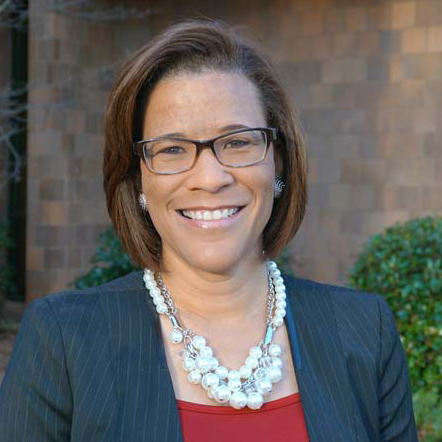 Dr. Dee Dee Washington, Former Principal, Dr. Phinnize J. Fisher Middle
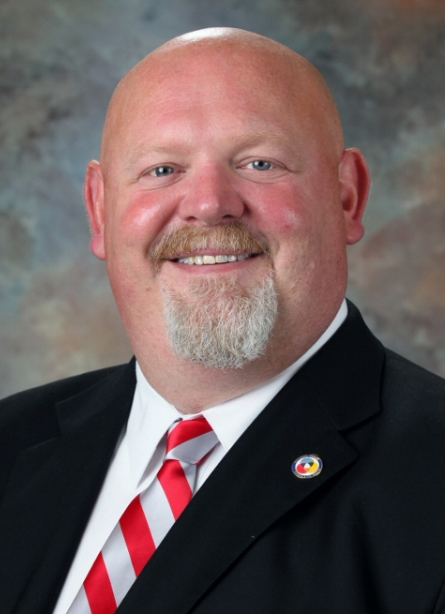 Jeremie Smith, Principal, Dr. Phinnize J. Fisher Middle
 Terry Mills, Former Executive Director of Construction, GCS
Aimee Eckmann, ALEP, FAIA, LEED AP, Firmwide K-12 Practice Leader, Principal, Perkins & Will
Aimee is a Principal and the Firmwide K-12 Practice Leader of Perkins and Will. As a global innovator in PreK-12 school programming and planning, Aimee advocates for forward-thinking solutions that engage learners, educators, and communities. Aimee graduated with a Bachelor of Environmental Design Degree from Miami University of Ohio, followed by a master’s degree in Architecture from University of Wisconsin – Milwaukee.
|