| MONDAY, JUNE 1, 2026 | 3:30 – 4:30 PM |
| Reimagining Career & Technical Education Through Adaptive Reuse and Applied Learning
|
|
Zurich
In response to generational learning shifts, evolving workforce demands, and the “Future of Work,” this session highlights how Olathe Public Schools partnered with business and industry to transform an existing real estate asset into a dynamic, future-ready Career & Technical Education (CTE) Innovation Campus. Attendees will follow the full design and construction journey, from visioning and adaptive reuse through phased implementation, illustrating how underutilized space became a vibrant hub for hands-on, technology-enabled learning. The session explores how flexible planning modules support a wide range of career pathways, including advanced manufacturing, automotive technology, construction trades, electronics and avionics, healthcare sciences, animal science, and esports, within one interconnected campus. It also demonstrates how applied learning acts as a powerful economic driver, strengthening Olathe’s role as a national leader in CTE through authentic partnerships, internships, and workforce pipelines. Presenters will introduce the framework used to connect facility design to measurable student and teacher engagement, reinforcing the impact of flexibility, individualization, naturalness, and stimulation on learning.
Learning Objectives:
- Understand how adaptive reuse can serve as a strategic tool for transforming underutilized commercial properties into scalable, future-ready CTE campuses that support workforce development.
- Identify key design elements and planning modules—including learning studios, low- and high-intensity labs, innovation commons, and collaboration spaces—that align curriculum delivery with real-world career pathways.
- Explore how applied, hands-on learning environments drive student engagement and economic impact, supporting higher graduation rates, stronger employment outcomes, and community workforce pipelines.
- Evaluate the role of business industry has on design outcomes and technology-enabled spaces that respond to evolving student needs, industry demands, and the future of work and workforce needs.
Design of Educational Facilities: Acts as a resource to the design team in providing ongoing guidance and support to ensure that the emerging and ultimate design aligns with the established community vision, education goals, future programming, written design standards, best/next practices and education policy.
 Ian Kilpatrick, AIA, NCARB, K-12 Education Leader, DLR Group
Ian leads project teams serving K-12 education clients from DLR Group’s Charlotte, Kansas City, Nashville, and Orlando locations. Designing from the inside out, Ian is passionate about creating future-ready learning environments that inspire student engagement and support the diverse physical, neurological, and social needs of both learners and educators. Recent Award: 2025 Next Gen Leaders ED Spaces Award,
 Ishita Banerjii, AIA, LEED AP, Project Manager, DLR Group
Ishita is a client centric well-rounded architect with 23 years of experience. She is a creative problem solver who enjoys exploring building envelope systems, building materials and construction means and methods. Ishita has a diverse portfolio in various types of education projects including performing arts center, higher education, and award-winning community projects.
 James Amicone, Project Architect, DLR Group
James is a Project Architect and holds a Master of Architecture and a Bachelor of Science in Architecture from The Ohio State University. He is a licensed architect in Missouri and holds NCARB certification. He has a personal interest in architectural criticism and teaches at UMKC's architecture program. James has been involved in presentations and projects related to CTE design.
|
| Facilities Master Plans: Creating Actionable Plans Not Wish Lists |
|
Geneva
K12 public enrollment has declined by 1% since 2015 while the GSF of K12 schools has increased 15% all while we are falling further behind in the proper upkeep of our nation’s schools. While some communities are growing and need more SF, many FMPs over-prescribe new construction, adding more buildings to Districts with flat-to-declining enrollments and insufficient capital renewal budgets. Attendees will learn guidelines for creating FMPs that strategically support a District’s ability to support the highest quality educational experience they can for all students.
Educational Facility Pre-Design Planning: Manages a master planning process that combines educational planning, facilities assessment and utilization, demographic research, capital planning and educational specifications with a community-based vision to establish a plan for learning environments. This includes the ability to translate existing or aspirational instructional models to specific programming and spatial relationships.
 David Sturtz, CEO, Sturtz & Company
David has served over 60 communities in 28 states, creating master plans that have helped K12 Districts raise over $6B in capital funds. David helps Districts envision and build community support to restructure their portfolio of schools to serve today’s students, work within today's budgets, and facilitate today’s educational programs.
|
| TUESDAY, JUNE 2, 2026 | 10:00 – 11:00 AM |
| Lindbergh Farmers Club: Designing a District Place-Based Learning Environment |
|
Zurich
This session explores the journey of Lindbergh Schools as they designed the historic Concord Farmers Club (est. 1873) into the Lindbergh Farmers Club—a cutting-edge, place-based learning environment. By leading a community-based visioning process that included educators, industry professionals, and students, the district established a shared mission to inspire students through sustainable agriculture, environmental stewardship, and connections with the globally recognized St. Louis AgTech community. Participants will examine how the district used this vision to design a unique educational program that will create a “living building” on a working farm. We will share best practices for designing instruction within flexible lab spaces, greenhouses, and outdoor classrooms that support “hands-in-the-dirt” experiences—from kindergarten life cycle studies to high school AgTech and GIS integration. Join us to learn how to leverage local history and community partnerships to design authentic, real-world learning environments that guarantee impactful student experiences.
Learning Objectives:
- Facilitate Impactful Community Visioning: Learn how to lead a community-based visioning process that engages diverse stakeholders to uncover unique institutional needs and establish a credible, shared long-range goal.
- Design for Place-Based Learning: Articulate the impact of specialized learning environments on teaching and learning by examining how specific facilities support authentic, place-based curricular experiences.
- Translate Pedagogy into Facility Requirements: Demonstrate the ability to translate educational programming into action for design practitioners.
- Implement Sustainable Partnerships for Long-Term Success: Discover how to identify and cultivate strategic partnerships that ensure the long-term sustainability of a specialized learning facility.
Educational Visioning: Exhibits an understanding of best and next practices related to educational leadership, programming, teaching, learning, planning and facility design. Establishes credibility with educators, community members and design professionals while conceiving and leading a community-based visioning process. Demonstrates the ability to articulate the impact of learning environments on teaching and learning and uses that ability to facilitate a dialogue that uncovers the unique needs and long-range goals of an educational institution and its stakeholders – translating that into an actionable written/graphic program of requirements for the design practitioner.
Tony Lake, Ed.D., Superintendent, Lindbergh Schools
Dr. Tony Lake has served as superintendent of Lindbergh Schools since 2018 and previously was Chief Operations Officer of Blue Valley School District in Overland Park, Kansas. He began his career in education in 1991, and advanced into public school administration in 2001. Dr. Lake earned his doctorate and master’s degrees in educational leadership from Baker University in Overland Park, and bachelor of science in education from John Brown University in Arkansas.
Tara Sparks, Ed.D., Chief Academic Officer, Lindbergh Schools
Dr. Tara Sparks serves as Chief Academic Officer in Lindbergh Schools, a suburban district of 7500 PK-12th grade students in St. Louis, Missouri. Under her leadership, Lindbergh continues to expand instruction and programs to support the diverse needs and aspirations of learners. Prior to this role, she was a middle school principal and director of assessment and student services. As a classroom teacher, Tara earned National Board Certification and was Missouri Teacher of the Year.
|
| Designing for Instructional Impact: Beyond Good, Better, Best |
|
Geneva
The most innovative learning environments are not those that predict the future, but those that remain ready for it. This session reframes school design as an act of foresight- anticipating how instruction will shift, adapt, and evolve within a single lesson. Rather than treating classrooms as fixed outcomes, participants are invited to think of them as responsive infrastructures that must perform under constant change. Innovation, in this context, is not about novelty or abundance, but about designing for readiness. We shift the conversation to the question that matters most: What is your design actually doing during instruction? Using authentic K–12 classrooms, participants step into the rhythm of a typical class period to understand how transitions, circulation, and room organization either reduce friction or introduce it in innovative learning environments. This session invites architects, designers, and dealers to step inside a new Instructionally Informed framework used with educators to evaluate learning environments-reframing furniture and layout decisions as innovative instructional tools and offering a sharper way to judge whether design choices truly support student success.
Learning Objectives:
- Analyze classroom layouts through the lens of instructional flow and student experience.
- Identify how spatial design supports movement, focus, access, and equity.
- Evaluate real classroom plans using an Instructionally Informed framework.
- Apply practical metrics to connect design decisions directly to student success.
Design of Educational Facilities: Acts as a resource to the design team in providing ongoing guidance and support to ensure that the emerging and ultimate design aligns with the established community vision, education goals, future programming, written design standards, best/next practices and education policy.
 Jill Ackers, Director of Education, VS America
Jill is the Director of Education at VS America and an author, keynote speaker, and internationally recognized leader in spatial proficiency and instructional design. With more than three decades of experience in education, research, and professional learning, Jill partners with architects, designers, district leaders, and educators to align learning environments with instructional intent, well-being, and equity. Her work helps teams move beyond aesthetics to evaluate how space functions during instruction to support student success.
 Courtney Sevigny, Learning Environment Specialist, VS America
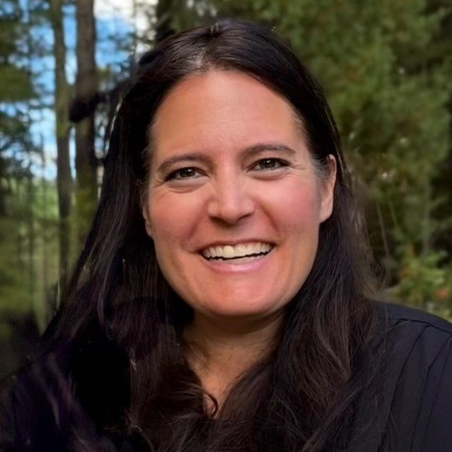
Courtney is an accomplished educator, school leader, and Learning Environment Specialist with more than twenty years of experience advancing transformational change in K–12 education. Her work spans classroom teaching, instructional leadership, and systems-level initiatives. She collaborates with architects, designers, district leaders, and educators to align pedagogy, design, and well-being. Courtney brings experience across visioning, planning, implementation, and post-occupancy support, guiding schools through instructional and cultural transitions so learning environments meaningfully serve teachers and students.
|
| From Stigma to Spotlight: Designing CTE for Community and Economic Impact |
|
Basel / Interlaken
This session explores how one county united business, higher education, K-12, private schools, government, and community members to design a world-class CTE program and facility. Grounded in economic data and employer engagement, the initiative demonstrates how communities can create pathways that value CTE students and strengthen the regional workforce.
Learning Objectives:
- How to use labor market and economic data to guide CTE program design.
- How to build a diverse countywide coalition (business, schools, community, government).
- How to design facilities that elevate the value of CTE students.
Community Engagement: Leads the internal and external communities through a discovery process that articulates and communicates a community-based foundational vision, forming the basis of a plan for the design of the learning environment. The vision is achieved through a combination of rigorous research, group facilitation, strategic conversations, qualitative and quantitative surveys and workshops. Demonstrates the skill to resolve stakeholder issues while embedding a community’s unique vision into the vision for its schools.
 George Kacan, AIA, LEED AP BD+C, NCARB, REFP, Regional Director / Education Sector Leader, Wightman
As Regional Director and Education Sector Leader at Wightman, George partners with school districts across Michigan to develop community-driven facility solutions. His work emphasizes aligning CTE programs and facilities with economic data, workforce needs, and district goals, ensuring students are valued and communities remain competitive in the 21st-century economy.
|
| Beyond the Gymnasium: Designing Inclusive, Inspiring Wellness Spaces for Whole-body Health |
|
Versailles Ballroom I
In today’s educational landscape, the concept of wellness has expanded far beyond the traditional boundaries of physical education. High schools, in particular, are embracing a more holistic approach to physical wellness—one that emphasizes student choice, the development of lifelong habits and a strong mind-body connection. Physical activity is no longer viewed simply as a break from academics, but as a critical contributor to cognitive performance, stress management, and social connectedness. As student preferences increasingly shift toward performance-based and group fitness experiences, schools are fundamentally rethinking how wellness spaces are designed, programmed, and integrated into daily student life. Concurrently, new programs are emerging that emphasize whole-body awareness, mindfulness, and personal growth. These initiatives help students build a strong foundation for lifelong health by supporting not only physical fitness, but also mental clarity, emotional well-being, and interpersonal skills. Together, they reflect a deeper understanding of how movement, environment, and intentional design intersect to foster positive behaviors that support both academic success and long-term wellness. Adlai E. Stevenson High School—a nationally recognized School of Excellence in Lincolnshire, Illinois—stands at the forefront of this movement. Join school leaders as they share their journey toward a more inclusive and comprehensive wellness model, along with key lessons learned in developing programs and facilities that support all students, not just student-athletes.
Learning Objectives:
- Gain a comprehensive understanding of one school’s Five Pillars of Wellness and examine how integrating programs and services grounded in these principles can meaningfully enhance students’ everyday educational experiences, overall well being, and academic performance.
- Develop a deeper awareness of how movement, the built environment, and intentional design intersect to promote positive behaviors and lifelong wellness habits that directly support student success.
- Explore innovative wellness-planning and design strategies that encourage meaningful behavior change in students, shifting from traditional team-centered wellness approaches toward more personalized, student-driven models.
- Become familiar—through the lens of one leading school district’s wellness journey—with real-world results derived from implementing programs that celebrate whole body awareness, mindfulness, resilience, and personal growth.
Educational Visioning: Exhibits an understanding of best and next practices related to educational leadership, programming, teaching, learning, planning and facility design. Establishes credibility with educators, community members and design professionals while conceiving and leading a community-based visioning process. Demonstrates the ability to articulate the impact of learning environments on teaching and learning and uses that ability to facilitate a dialogue that uncovers the unique needs and long-range goals of an educational institution and its stakeholders – translating that into an actionable written/graphic program of requirements for the design practitioner.
 Eric Ramos, Ed.D, Assistant Principal of Operations, Adlai E. Stevenson High School District 125
Dr. Eric Ramos, Ed.D, is the Assistant Principal of Operations at Adlai E. Stevenson High School District 125 in Lincolnshire, Illinois. He has previously held the position of Director of Physical Welfare and taught Physical Education and Health at Adlai E. Stevenson High School and Maine West High School in Maine Township District 207, where he led one curricular team and was an active member of several others. He started his teaching career at York High School for District 205 in Elmhurst, Illinois. At the state level, Eric is an active member of various Physical Education and Health organizations, and Shape America at the national level. He is committed to the development of teachers with a focus on student behaviors and thought processes that lead to positive and healthy behavior change. Eric has worked with Health and Physical Education teams to create curricula that are personalized, relevant, and perform a key role in the broader school wellness initiatives. Eric received a bachelor’s degree in Biology from Illinois College, a master’s degree in Educational Leadership from American College of Education and a Ed.D in Education Policy, Organization and Leadership from the University of Illinois at Urbana-Champaign.
Abygail Austin, Director of Physical Wellness, Adlai Stevenson High School District 125
Abygail is the Director of Physical Welfare at Adlai E. Stevenson High School District 125 in Lincolnshire, Illinois. In this role, she leads the physical education and health department, supporting instructional quality, student well-being, and equitable access to learning experiences that promote lifelong health and movement. As an instructional leader, Ms. Austin emphasizes purposeful learning environments, skill-based instruction, and assessment practices focused on growth, proficiency, and real-world application. She is committed to supporting educators through coaching and collaborative professional learning. Prior to her current role, she worked at the Center on Deafness Therapeutic School and later taught Physical Education and Health in the Physical Welfare Department at Stevenson High School. During her time as a teacher, she also served as the team leader for Health Education and a core leader within Physical Welfare, supporting curriculum development, instructional alignment, and fostering a strong culture of collaboration. She has also participated in several leadership teams and professional committees, including the Response to Intervention (RTI) Team, the Equity, Race, and Diversity Cadre, and the Social-Emotional Learning Committee, contributing to schoolwide initiatives centered on inclusive practices and student support. Ms. Austin holds a Master of Educational Leadership from National Louis University and a Master’s degree in Adapted Physical Education from Northern Illinois University. She earned her Bachelor of Science in Health Education from Illinois State University and holds multiple endorsements, including Learning Behavior Specialist and Psychology.
 Wendy Watts, IIDA, Principal, Education Design, Wight & Co.
Wendy is a seasoned interior design leader with more than 30 years of experience shaping innovative, learner centered environments. As a Principal focused on Education Design, she brings a powerful combination of creativity, strategic vision, and deep expertise in the evolving landscape of teaching and learning. Wendy is recognized for her ability to translate educational goals into thoughtfully crafted interior environments that elevate the learning experience for students of all ages. She understands that today’s educational models demand flexible, high performance spaces—and she is adept at designing solutions that are both future ready and deeply human-centered. Clients value her sincerity, collaborative approach, and commitment to delivering inspirational designs that foster student success and well-being. Throughout her career, Wendy has excelled at managing complex programmatic requirements while weaving them seamlessly into comprehensive architectural solutions. She approaches every project with curiosity and rigor, drawing on user behavior insights, research, and stakeholder visioning to guide her design strategy. Her leadership ensures that each space she touches not only meets functional needs but also cultivates creativity, engagement, and a sense of belonging while honoring the unique character of each school Wendy holds a Bachelor of Fine Arts in Interior Design from Northern Illinois University. She is a member of the International Interior Design association (IIDA) and is National Council for Interior Design Qualification (NCIDQ) certified.
 Craig Siepka, AIA, LEED AP, Design Principal, Wight & Co.
Craig is a nationally recognized leader in educational design and planning with more than 30 years of experience shaping PK–12 learning environments. Throughout his career, he has remained focused on a singular purpose: designing schools that thoughtfully support the full student journey—academically, socially, and emotionally. His design philosophy is grounded in the belief that schools should spark joy, convey optimism, and foster a sense of belonging for every learner. By prioritizing inclusivity, flexibility, and human-centered design, Craig creates environments that inspire curiosity and support student success at every stage of development. Craig holds a Bachelor of Fine Arts in Painting and a Master of Architecture from the University of Illinois Urbana-Champaign. He is a member of the American Institute of Architects’ Committee on Architecture for Education, as he contributes to advancing best practices in educational design nationwide.
|
| TUESDAY, JUNE 2, 2026 | 11:30 AM – 12:30 PM |
| What Highly Competitive Schools Worldwide Are Doing—and How Designers Can Help Bring It Home |
|
Zurich
Across the United States and around the world, schools are facing intensifying pressure to compete for students, retain high-quality educators, and justify major bond investments in an era of evolving learning models and funding uncertainty. While the traditional benchmarks of “on time, on budget” or “warm, safe, and dry” remain essential, they are no longer sufficient to ensure long-term relevance, community trust, or educational impact. This session draws on global insights from highly competitive international and U.S. schools to explore how learning environments are increasingly used as strategic tools for attracting, retaining, and fostering belonging. Participants will examine emerging trends shaping school design worldwide—including flexibility, educator experience, belonging, and community integration—and consider how these priorities are influencing planning and design decisions across diverse contexts, including here in the Midwest. Through case examples from both international and U.S. school projects, the session will demonstrate how early alignment between educational vision, staffing models, and facility design helps protect bond investments and supports adaptability over time. Emphasis will be placed on the role of school designers as collaborative partners in understanding, translating, and applying global insights to locally responsive, buildable solutions that reflect community values. Participants will leave with a practical framework for assessing alignment between a district’s vision and its facilities—and strategies for strengthening collaboration between educators, planners, and designers early in the process. School designers will gain approaches to deepen client partnerships and deliver future-ready schools grounded in both global perspective and local expertise. School leaders will learn to better leverage capital investments by working more closely with their design teams, ensuring bond dollars translate into learning environments that truly serve their communities’ evolving needs.
Learning Objectives:
- Identify how highly competitive schools worldwide are using learning environments as strategic tools to attract and retain students and educators, foster belonging, and build long-term community trust—beyond traditional measures of success.
- Apply global school design trends to local contexts by translating international and U.S. case study insights on flexibility, educator experience, and community integration into buildable, Midwest-relevant solutions.
- Evaluate alignment between educational vision, staffing models, and facility design using a practical framework that helps protect bond investments and supports long-term adaptability.
- Strengthen early collaboration between school leaders, planners, and designers by adopting partnership-focused approaches that deepen trust, improve decision-making, and deliver future-ready learning environments.
Educational Visioning: Exhibits an understanding of best and next practices related to educational leadership, programming, teaching, learning, planning and facility design. Establishes credibility with educators, community members and design professionals while conceiving and leading a community-based visioning process. Demonstrates the ability to articulate the impact of learning environments on teaching and learning and uses that ability to facilitate a dialogue that uncovers the unique needs and long-range goals of an educational institution and its stakeholders – translating that into an actionable written/graphic program of requirements for the design practitioner.
 James Seaman, ALEP, PhD, AIA, Managing Principal, Fielding International
James is Managing Principal at Fielding International, a globally recognized leader in the design of learner-centered schools. Trained as both an architect and educational psychologist, James bridges the worlds of design and learning science to create environments that empower students and educators to thrive in a rapidly changing world. His work with school communities across the globe reimagines how space can shape behavior, culture, and learning outcomes.
 Michael Posthumus, M.Ed, Learning Design Principal, Fielding International
Michael is Learning Design Principal at Fielding International, where he leads work at the intersection of learning design, educational innovation, and human-centered environments. Since beginning his career in 2009, Michael has focused on advancing 21st-century learning across formal and informal settings, connecting schools with community organizations through experiential, project-based, and place-based education. Known for his ability to synthesize complex challenges into clear, actionable strategies, he helps school communities align learning environments with their goals and values. Grounded in human-centered design thinking, Michael’s work supports youth-centered learning environments that transform how students experience learning and how organizations realize their missions.
|
| Supporting Special Education Inclusion with School Design |
|
Geneva
School design strategies can help Districts interested in maximizing inclusion of special education students, who are more reliant on their physical learning environment, with their general populations. Inclusive strategies require a holistic approach, incorporating trauma-informed design, biophilia, variety and flexibility in the classroom and beyond. As we understand the full spectrum of student needs, it becomes clear that designing for the highest need will enrich the environment for everyone.
Learning Objectives:
- Learn the significance of inclusive design for special education and hear how it positively impacts the overall learning experience and wellbeing of all students.
- Recognize the importance of designing a building holistically and how incorporating accessibility and inclusive design benefits special education student safety and cognitive function.
- Learn the importance of and how to incorporate trauma-informed design and biophilic design for special education students and understand how it aids in the routines and processes necessary for special education student welfare.
- Explore how to incorporate inclusive design for special education at classroom interiors and understand how incorporating flexibility, variety, and sensory transitions into spaces creates a comfortable, healthy, and successful environment for all students and educators.
Design of Educational Facilities: Acts as a resource to the design team in providing ongoing guidance and support to ensure that the emerging and ultimate design aligns with the established community vision, education goals, future programming, written design standards, best/next practices and education policy.
 Darice Cadriel, AIA, NOMA, NCARB, Associate, NAC Architecture
Darice offers over a decade of experience with a diverse portfolio of award-winning design in public and institutional sectors, including healthcare, higher education, and PK-12. Darice always takes a holistic approach in creating a healthy and inspiring environment where she considers the end users’ access to daylight, views of nature, air and water quality, anything vital to the healing process, and how space affects them subconsciously and through their emotions controlled through intentionality.
 Philip Riedel, ALEP, AIA, LEED AP, Principal, NAC Architecture
Philip is the PK-12 Practice Leader for NAC Architecture, where he has been engaged in educational planning and school design for over 20 years. He is also the Pacific Northwest Director of the Association for Learning Environments and co-authored the digital book Inclusive Design for Special Education.
 Dustin Saalman, Ph.D., EDAC Director of Research, NAC Architecture
As the Director of Research and Experience Design (RED) at NAC Architecture, Dustin leverages his 15+ years of diverse experience in education and research to to support educational design. As a former special education teacher, he understands the nature of students’ individual needs in order to be successful. Dustin holds a Ph.D. in Educational Evaluation & Research from Wayne State University.
|
| From Buildings to Belonging: When Students Author Space |
|
Basel / Interlaken
Most school design processes are shaped by professional expertise, with students positioned primarily as end users rather than contributors to architectural authorship. This session reframes that paradigm, examining how structured student participation can function not as consultation, but as a form of design intelligence capable of influencing architectural intent, spatial hierarchy, and contextual response. Through the KRESA Career Connect Campus case study, presenters will unpack a multi-day co-design process in which CTE students collaborated with architects, educators, entrepreneurs, and industry partners to generate and present spatial narratives and design propositions. These contributions informed critical decisions regarding program distribution, adjacencies, circulation, site relationships, and connections to landscape and natural systems - demonstrating how non-traditional authorship can meaningfully shape contextual, place-based design. The session presents a structured yet adaptable charrette framework that intentionally creates space for student choice, curiosity, and exploration. Rather than prescribing a single mode of participation, the framework allows students to pursue areas of interest, define problems, and select modes of representation, resulting in deeper engagement and more meaningful design contributions. Applied to CTE and K–12 contexts, this approach demonstrates how a flexible design process can unlock student agency and generate spatial insights that directly inform architectural strategy, contextual response, and learning environment design. Rather than focusing on engagement as an outcome, the session interrogates translation: how student-generated ideas are curated, synthesized, and transformed into buildable architectural strategies within the realities of schedule, budget, and governance. Participants will explore moments where student perspectives disrupted conventional assumptions and produced design solutions that professional teams alone may not have conceived. Attendees will leave with a flexibly structured framework for student co-design and a deeper understanding of co-authorship as a strategic methodology for creating learning environments that are intellectually, spatially, and socially resonant. The presentation will feature written and video commentary from participants of the multi-day CTE co-design workshops.
Learning Objectives:
- Distinguish student co-authorship from traditional stakeholder engagement and explain how it influences educational vision, design intent, and architectural decision-making.
- Identify and evaluate ways student perspectives can uncover new programmatic, spatial, and contextual opportunities during planning and conceptual design.
- Translate student-generated ideas into viable spatial strategies, adjacencies, and site-responsive design solutions within real-world constraints of budget, schedule, and governance.
- Apply a scalable co-design framework that aligns pedagogy, community vision, and architectural form in future educational facility projects.
Design of Educational Facilities: Acts as a resource to the design team in providing ongoing guidance and support to ensure that the emerging and ultimate design aligns with the established community vision, education goals, future programming, written design standards, best/next practices and education policy.
 Christine Kennedy, ALEP, AIA, NCARB, LEED AP ID+C, CDT, CCS, Education Market Sector Specialist, Wightman
Christine is an architect and project manager who leads multidisciplinary teams in translating district vision into high-performing, contextually responsive learning environments. Certified in educational planning and specifications writing, she strives to integrate instructional, operational, and sustainability priorities into contract documents. With over a decade of experience teaching college-level design studios, she brings a deep understanding of methodologies for student engagement and collaborative learning. Christine previously worked for renowned architect Michael Graves and was a member of the design team he thanked upon receiving the 1999 National Medal of Arts.
|
| TUESDAY, JUNE 2, 2026 | 1:45 – 2:45 PM |
| Play is Serious Work: Neuro-informed Design for Learning |
|
Zurich
Educational environments are often designed for an “average” learner, yet no such learner exists. This session demonstrates how play-based, biophilic, and neurodiverse-informed design strategies can improve behavior, focus, emotional safety, and well-being. Presenters; including the Superintendent, Assistant Superintendent of Finance and Operations, Architect, and Interior Designer, share how the Bright Futures Preschool transformed an underutilized building into a flexible, high-performing learning environment. Attendees will explore strategies such as sensory-conscious materials, zoning, daylighting, acoustics, and play-based layouts, and leave with practical frameworks for aligning educational vision with inclusive design execution across early learning, K–12, and higher education projects, positioning neurodiversity as a driver of better outcomes for students, staff, and communities. The Bright Futures Preschool in Galesburg, Illinois exemplifies how visionary adaptive reuse can transform an overlooked building into a thriving center for learning and community. A former 1970s big-box store was reimagined as a vibrant, nature-inspired early childhood education facility and district administrative hub. Grounded in research and collaboration, the design integrates biophilic elements, sensory-friendly environments, and intuitive wayfinding to support wellness, inclusion, and neurodiversity. Thoughtfully planned spaces respond to varied learning styles and developmental needs, creating an environment where every child can feel supported and empowered. Since opening, the project has expanded access to early education, strengthened family engagement, and improved student outcomes. The project has earned significant national and regional recognition, including: Award of Merit – Illinois Association of School Boards Citation of Excellence: Adaptive Reuse – Learning By Design Magazine Honor Award: Excellence in Interiors – AIA Illinois Metamorphosis Award: First Place, Interiors – retrofit magazine Preservation/Renovation Honor Award – AIA Northeast Illinois Celebrated for its creativity, community impact, and human-centered approach, Bright Futures Preschool stands as an award-winning model for adaptive reuse, demonstrating how innovative design can nurture neurodiverse learners and inspire stronger, more connected communities.
Learning Objectives:
- Apply neurodiverse, play-based, and neuroscience-informed design strategies across early learning, K–12, and higher education environments, using adaptable, real-world examples to support diverse sensory, cognitive, and social needs.
- Evaluate the role of adaptive reuse in creating flexible, equitable learning environments that align educational vision, budget realities, and long-term operational goals.
- Explain how neurodiverse educational environments positively impact student behavior, focus, and well-being, as observed and evaluated by school district leadership.
- Describe how interdisciplinary collaboration between educators and designers leads to more inclusive, high-performing educational spaces.
Educational Visioning: Exhibits an understanding of best and next practices related to educational leadership, programming, teaching, learning, planning and facility design. Establishes credibility with educators, community members and design professionals while conceiving and leading a community-based visioning process. Demonstrates the ability to articulate the impact of learning environments on teaching and learning and uses that ability to facilitate a dialogue that uncovers the unique needs and long-range goals of an educational institution and its stakeholders – translating that into an actionable written/graphic program of requirements for the design practitioner.
 Monique Taylor, NCIDQ, LEED AP ID+C, WELL AP, LFA, IIDA, Senior Interior Designer I Sustainability Coordinator, Legat Architects
Andrew is an award-winning designer who specializes in K-12 education projects. He has a passion for creativity and solutions that positively impact learning environments today and for the future. He is driven to design innovative structures that promote community and collaboration. Andrew has worked with students, staff, and communities across the country to create inspiring designs that promote student achievement.
 Bryan Archibald, AIA, LEED AP, Senior Associate I Studio Director, Legat Architects
Bryan is a designer and Studio Director in Legat Architects’ Quad Cities studio with nearly two decades of experience leading community, educational, and municipal projects across western Illinois and eastern Iowa. He shapes the concept, character, and performance of each assignment while guiding Building Information Modeling, sustainability and LEED goals, detailed documentation, and construction administration. Bryan is known for hands-on collaboration, technical excellence, and mentorship of emerging professionals. His leadership balances creative vision with constructability, ensuring projects are delivered efficiently, on schedule, and aligned with client missions. His work reflects a commitment to strengthening communities through thoughtful, high-quality design.
Jennifer Hamm, Assistant Superintendent of Finance and Operations, CUSD #205
John Asplund, Superintendent of Galesburg, CUSD #205
Dr. John Asplund has served public education for more than three decades as a Teacher, Coach, Principal, Curriculum Director, and District Superintendent. For the past twenty-four years, he has led school districts as Superintendent, including the last nine years with Galesburg CUSD #205 in Galesburg, Illinois. Dr. Asplund earned a Bachelor of Arts (English Literature/Speech Communication) from Augustana College, a Master of Science in Education Administration, an Education Specialist degree from Western Illinois University, and a Doctor of Education (Education Leadership and Foundations) from Illinois State University. He and his wife Julie are proud parents of three educators.
|
| Designing for Impact, Not Expense: Affordable Sustainability in Education |
|
Geneva
Woodward-Granger Community School District’s new middle school exemplifies sustainable, future-ready design. With long-term resilience in mind, the new middle school building and site are planned for a future conversion to a high school facility. Built with Net Zero energy goals, the project features a geothermal system, solar-ready infrastructure, and native landscaping across a 50+ acre site. The design team prioritized health and environmental impact by selecting Red List Free and EPD-certified materials, creating a biophilic, low-impact learning environment. With over 1,000 solar panels planned and a fully electric system in place, the school sets a benchmark for renewable energy integration. This project demonstrates how thoughtful design can balance innovation, fiscal responsibility, and ecological stewardship in modern educational spaces.
Learning Objectives:
- Explore how interdisciplinary collaboration enabled the integration of Net Zero energy goals, sustainability, and fiscal responsibility in the design of Woodward-Granger’s new middle school.
- Understand how the community engagement process leads to solutions that meet the fiscal needs of today but provide opportunities to meet the functional needs of the future while implementing innovative learning environments.
- Understand how strategic land stewardship and integrated renewable energy systems—including geothermal and solar—can enhance ecological integrity and support Net Zero goals in educational facility design.
- Learn how biophilic design and the use of Red List Free and EPD-certified materials can enhance wellness and reduce ecological impact in educational environments.
Design of Educational Facilities: Acts as a resource to the design team in providing ongoing guidance and support to ensure that the emerging and ultimate design aligns with the established community vision, education goals, future programming, written design standards, best/next practices and education policy.
 Andrew Van Leeuwen, ALEP, AIA, Senior Design Leader, DLR Group
Andrew is an award-winning designer who specializes in K-12 education projects. He has a passion for creativity and solutions that positively impact learning environments today and for the future. He is driven to design innovative structures that promote community and collaboration. Andrew has worked with students, staff, and communities across the country to create inspiring designs that promote student achievement.
 Mark Lane, Superintendent, Woodward-Granger Community School District
Mark is a veteran public educator with 30 years of experience across all levels, from teacher and counselor to building and district administrator, culminating in the role of Superintendent at Woodward-Granger Community School District. His leadership is driven by the vision of "character in action, excellence in practice, and passion in service". He strives to create environments where students and staff can experience pride and joy in their work and learning.
|
| Taming the Noisiest Rooms: Practical Acoustical Strategies for Future-Ready Schools
|
|
Basel / Interlaken
Schools of the future will rely more than ever on flexible shared spaces, yet gyms, cafetoriums, music and drama suites, and community-use multipurpose rooms remain the most common sources of noise complaints, redesigns, and post‑occupancy frustration. This session offers a technically grounded look at why these rooms behave so differently from typical classrooms, focusing on the interaction between room acoustics, structure-borne and airborne transmission, and building-services noise. Using real-world project scenarios, measured data, and commissioning outcomes, the presentation will illustrate how long-span framing, reverberation characteristics, and challenging adjacencies routinely compromise otherwise strong designs. Attendees will see how early spatial planning, structural coordination, thoughtful finish selection, and realistic performance targets can fundamentally change outcomes. The talk is aimed at architects who want practical, project‑proven approaches to ensuring that the noisiest rooms become controlled, high‑performing assets rather than liabilities in the next generation of schools.
Learning Objectives:
- Identify common acoustic failure modes in shared school spaces and describe the primary root causes that distinguish them from typical classrooms.
- Apply early checkpoints for planning of adjacencies to reduce the likelihood of post-occupancy complaints.
- Outline HVAC noise-control strategies for schools that address source selection, distribution design, and vibration isolation in a way that supports target background sound levels.
- Translate program intent into acoustical performance targets for shared school spaces, and identify the early design decisions most likely to control each target.
Design of Educational Facilities: Acts as a resource to the design team in providing ongoing guidance and support to ensure that the emerging and ultimate design aligns with the established community vision, education goals, future programming, written design standards, best/next practices and education policy.
 Michael Kundakcioglu, BASc, P.Eng. (Ontario & Alberta, Canada) Senior Engineer, HGC Noise Vibration Acoustics
Michael is a Senior Engineer with HGC Noise Vibration Acoustics. He provides acoustical consulting for the built environment, with a wide range of experience in architectural acoustics, HVAC noise and vibration control, and room acoustics for educational facilities as well as residential and commercial developments. His work spans acoustical design review and field investigation, translating performance targets into practical, constructible details for project teams and owners.
|
| Leveraging History & Tradition to Build the School of Tomorrow |
|
Versailles Ballroom I
Consider how history and tradition play a role in building the school of tomorrow, through lens of the community engagement process for the new Frank Cody High School. Set within one of Detroit’s largest postwar residential neighborhoods, the new Frank Cody High School replaces an aging 1950s facility with a modern learning environment that enriches student engagement and strengthens their connection to the natural world. The stakeholder engagement process was intentionally structured to support DPSCD’s Facilities Master Plan efforts, garnering input from current and future learners, educators, Cody alumni, and community. Initial engagement sessions focused on project vision and resulted in a series of design drivers, the six concepts that became foundational to the design of the new Cody High School. Subsequent sessions highlighted two key topics: what the design team heard, and how this feedback was incorporated into the design. This framing was instrumental in building a level of trust, transparency, and consistency with the stakeholder groups. Regular meetings with Cody’s Design Ambassadors (a select group of school administrators, faculty, and students) allowed for on-going dialog around how to honor the school’s history while incorporating future-ready learning environments in the new building. Approaching the engagement process with authenticity, adaptability, and a willingness to have challenging conversations resulted in a design and vision that is uniquely Cody: balancing the school’s legacy and tradition with the school of tomorrow.
Learning Objectives:
- Community-Based Vision: Appreciate the value of a robust stakeholder engagement process in establishing a community-based vision. Learn how the engagement process for the New Frank Cody High School built trust and transparency with the community in support of DPSCD’s Facilities Master Plan.
- Authenticity and Adaptability: Recognize the importance of responding to challenges in the engagement process with authenticity and transparency. Learn how to structure an engagement process that is adaptable to a variety of stakeholder groups.
- Honor Tradition: Understand the importance of preserving a school’s legacy and tradition while meeting the needs of tomorrow’s learners.
- Future-Focused: Explore the principles of future-ready learning environments and how to convey these concepts as well as the school district’s vision to the community as part of the engagement process.
Community Engagement: Leads the internal and external communities through a discovery process that articulates and communicates a community-based foundational vision, forming the basis of a plan for the design of the learning environment. The vision is achieved through a combination of rigorous research, group facilitation, strategic conversations, qualitative and quantitative surveys and workshops. Demonstrates the skill to resolve stakeholder issues while embedding a community's unique vision into the vision for its schools.
 Karen Danko, AIA, NCARB, Associate Principal, Project Manager, Moody Nolan
Karen is an Associate Principal and Project Manager in the K-12 Practice at Moody Nolan. With more than 20 years of experience, she holds a Bachelor of Architecture from the University of Notre Dame. Karen advocates for innovative design solutions that center input from students, educators, and the community, reflecting her commitment to excellence in educational facility design.
 Debra Kolesar, NCIDQ, Senior Associate, Senior Interior Designer, Moody Nolan
Debra leads with more than 25 years of interior design, planning, and programming experience. She specializes in designing PreK-12 environments. As a thought leader, Debra has authored articles for education-based trade journals and routinely participates in national conferences expressing the latest trends in PreK-12 design. She has led the design of schools across the country, many recognized for design excellence. Debra’s passion is working to create a legacy for students, teachers, families, and community.
|
| TUESDAY, JUNE 2, 2026 | 3:30 – 4:30 PM |
| The First Step to Thriving: Unlocking Joy and Potential in Every Learning Space |
|
Zurich
Many educators and designers feel “stuck” by the challenge of transforming uninspired learning environments within the reality of tight budgets and existing infrastructure. This session moves beyond the “technician” mindset to re-frame the physical environment as a powerful, non-verbal curriculum that facilitates deep relationships and collective life. Grounded in the Reggio Emilia philosophy and research-informed intentional design, we will explore how space acts as the foundation for well-being. Participants will engage in a non-judgmental dialogue about what is truly possible when we center the child’s fundamental right to beautiful, joyful spaces. We will shift from paralysis to practice by providing simple, actionable strategies to move any classroom from "stuck" to “unstuck.” By prioritizing human-centered design and sustainable, open-ended materials, we can create calm, flexible environments where both children and educators flourish. Attendees will leave equipped with a practical toolkit to initiate immediate, meaningful change that celebrates the dignity and capable citizenship of every child.
Learning Objectives:
- Synthesize Neuro-architectural Principles with Learner Well-being: Analyze how biophilic design elements mitigate cortisol production and overstimulation. Evaluate the “calm brain” as a prerequisite for deep cognitive engagement and emotional regulation in learning environments.
- Optimize Spatial Agency through Modular and Open-Ended Design: Apply strategies for utilizing multi-functional, non-prescribed designs to create a “neutral canvas” that supports diverse sensory profiles and neurodivergent needs. Identify how high-flexibility environments foster student agency and equitable access by allowing the physical space to adapt to varying pedagogical modes.
- Implement Sustainable Life-Cycle Planning and Environmental Stewardship: Implement a “first-step” framework for initiating environmental change regardless of budget, focusing on quality and long-term sustainability as a strategy for both healthy indoor air quality and responsible capital investment.
- Execute Collaborative Visioning via Built Environment Education (BEE): Utilize Socratic norms and active listening to engage students and educators as co-designers, ensuring the space authentically reflects the needs of the community.
Educational Visioning: Exhibits an understanding of best and next practices related to educational leadership, programming, teaching, learning, planning and facility design. Establishes credibility with educators, community members and design professionals while conceiving and leading a community-based visioning process. Demonstrates the ability to articulate the impact of learning environments on teaching and learning and uses that ability to facilitate a dialogue that uncovers the unique needs and long-range goals of an educational institution and its stakeholders – translating that into an actionable written/graphic program of requirements for the design practitioner.
 Bridgitte Alomes, CEO, Natural Pod
Bridgitte is the founder of Natural Pod and a leading voice in the creation of intentional, human-centered learning environments. As a visionary in sustainable design, she focuses on the intersection of environmental health and student well-being. Bridgitte is a dedicated advocate for healthy, biophilic spaces that honor the “environment as the third teacher.” Her work empowers global educators to move beyond uninspired spaces toward joyful, sustainable environments where every child can flourish.
 Ashanti Bryant, Senior Program Officer, W.K. Kellogg Foundation
Ashanti is a senior program officer for the W.K. Kellogg Foundation in Michigan. In this role, he supports foundation efforts to promote thriving children, working families and equitable communities. Ashanti is responsible for identifying and nurturing opportunities for affecting positive systemic change within communities and executing programming efforts aligned with the organization’s direction. He’s also responsible for a team of program officers, deeply engaged in place-based investment and impact.
|
| Building Architecture as a STEAM Teaching Tool |
|
Geneva
It’s no secret that incredible teachers shape young minds within the school walls, but what if the walls themselves could teach and inspire students to explore, question, and create? Come explore how Racine Unified School District’s Red Apple Elementary was designed to be more than a school, but as a hands-on learning lab. From color-coded piping and exposed infrastructure to rooftop gardens and interactive signage, every design element invites students to engage with science, technology, engineering, art, and math in real time. Nathan Schieve, education studio director at GROTH Design Group, and a representative of Racine Unified School District, will showcase how thoughtful design can embed STEAM into the daily experience of students, empowering educators to turn hallways into classrooms and ceilings into science lessons.
Learning Objectives:
- Understand how intentional school design can support and enhance STEAM learning.
- Explore real-world examples and see how this innovative approach to design was brought to life at Racine Unified School District’s Red Apple Elementary.
- Discover how architectural design for education is much more than cinderblock walls, it can be an interactive tool that enhances student engagement and curriculum delivery.
- Engage in a candid Q&A session offering practical guidance on how to understand, adapt, and replicate the “building as a STEAM teaching tool” concept in other educational schools and facilities.
Educational Visioning: Exhibits an understanding of best and next practices related to educational leadership, programming, teaching, learning, planning and facility design. Establishes credibility with educators, community members and design professionals while conceiving and leading a community-based visioning process. Demonstrates the ability to articulate the impact of learning environments on teaching and learning and uses that ability to facilitate a dialogue that uncovers the unique needs and long-range goals of an educational institution and its stakeholders – translating that into an actionable written/graphic program of requirements for the design practitioner.
 Nathan Schieve, AIA, NCARB, LEED AP BD+C, Education Studio Director, Senior Project Manager, GROTH Design Group
Nathan serves as the education studio director at GROTH Design Group with 20+ years of experience. Nathan possesses extensive experience and talent designing for K-12 and higher education spanning the public and private sectors. Grounded in sustainable building practices and 21st Century Learning, projects range from several multi-million-dollar district referendums, state-of-the-art STEAM leaning environments, and transformational facilities at some of Southeastern Wisconsin’s most reputable educational institutions and districts.
 Kara Albrecht, AIA, NCARB, Education Project Designer, GROTH Design Group
Kara serves as an education project designer for GROTH Design Group, bringing 10+ years of passionate and specialized education design experience to clients. Sourcing inspiration from her personal life, Kara has worked on a variety of education projects spanning the public and private sectors, including Racine Unified School District, Randall Consolidated School District, Port Washington-Saukville School District, and Notre Dame School of Milwaukee.
 Sondra Schuppe, WRID, ASID, Interior Designer, GROTH Design Group
Sondra supports the firm’s diverse market sectors with over 13 years of professional experience. She has specific expertise in education, senior living, religious, and hospitality markets. Sondra excels in the tailored selection of interior finishes, decorative lighting, and furnishings to enhance the functionality of designed environments. Her extensive experience enables her to assist clients in developing furniture and finish plans, preparing detailed bids for construction, and coordinating across all architectural and consultant specifications. Sondra is an active member of the American Society of Interior Designers (ASID). She was the recipient of the “Top 5 Under 5” award by the society’s Wisconsin chapter acknowledging emerging talent. Sondra received her Bachelor of Arts in Interior Architecture from the University of Wisconsin – Stevens Point.
 Peter Reynolds
 Scott Campbell
|
| Data‑Driven Master Planning: Pathways Analytics Dashboards for SLPS |
|
Basel / Interlaken
School districts are responsible for providing the highest quality education to their communities, but they face significant challenges. These include limited financial resources, aging building infrastructure, rapidly evolving technologies, and declining student enrollment. Master planning is the strategic process that helps school boards develop a comprehensive roadmap for ensuring that facilities effectively support teaching and learning. Pathways is a series of visual analytic dashboards that brings together all relevant data into one easy-to-use, interactive platform. It enables facility directors, administrators, boards of education, and the public to view real-time information—combining demographics, facility condition assessments (FCA), and space utilization metrics—to better understand facility and space needs. This integrated approach strengthens transparency and builds trust with all stakeholders throughout the master planning process. This presentation will include a case study of Saint Louis Public Schools and how the district used data-driven analysis—including demographic trends, enrollment projections, census data, urban planning insights, and comprehensive facility condition assessments—to inform its master planning process and guide school realignment decisions.
Learning Objectives:
- Use of demographic analysis for future enrollment projects
- Analyze facility conditions assessment data to forecast capital improvement costs
- Evaluate space utilization for optimum classroom sizes
- Integrate this data in master planning and district realignment
Educational Facility Pre-Design Planning: Manages a master planning process that combines educational planning, facilities assessment and utilization, demographic research, capital planning and educational specifications with a community-based vision to establish a plan for learning environments. This includes the ability to translate existing or aspirational instructional models to specific programming and spatial relationships.
 Stephen Raskin, Vice President, Director of Business Development, Cordogan Clark
Steve is an architect with more than 20 years of experience working with educational clients and understanding their unique needs. He has led projects through all phases of planning, design, and construction. Steve partners with school districts to provide pre-design and pre-referendum services, including demographic assessments, facility condition assessments, space utilization studies, master planning, and community engagement. He leads the team that developed Pathways, a suite of digital analytic dashboards that visualizes key data required for programming and space needs analysis. These dashboards integrate demographics, facility condition data, and space utilization metrics—critical components of an effective master planning process.
Square Watson, Director of Operations, Saint Louis Public Schools
Square is an education operations leader serving as the Chief of Operations for St. Louis Public Schools (SLPS). In this executive role, he oversees major district operational functions, including student transportation, facilities, and logistical planning.
|
| WEDNESDAY, JUNE 3, 2026 | 8:00 – 8:45 AM |
| Community Partnership: How to Have a Successful Outcome |
|
Versailles Ballroom Foyer
Join us for an engaging and inspiring conversation celebrating the power of community partnership, creativity, and shared identity in transforming educational and public spaces. Discover the story behind the Caseyville Public Library and how meaningful collaboration with the community helped shape welcoming, purposeful spaces that truly reflect and serve everyone who walks through its doors.
Explore how Clayton High School reimagined its library through a forward-thinking partnership that created dynamic, student-centered environments featuring highly flexible meeting spaces, restorative zones that support student wellness and mental health, and innovative areas designed for both collaboration and independent learning. Learn how the school’s connection to a shared community gym further strengthens the relationship between students, staff, and the broader community, creating spaces that extend beyond the classroom and foster belonging for all.
Connect with educational leaders, architects, and decision-makers while gaining fresh ideas, practical insight, and real-world inspiration for creating vibrant, inclusive environments where students, educators, and communities can learn, connect, and thrive together.
|
| WEDNESDAY, JUNE 3, 2026 | 8:45 – 9:45 AM |
| Beyond Worksheets and Tests: Where Experiences, Environments, and Investment Align for the Next Generation |
|
Zurich
Humans learn by doing, through collaboration, experimentation, storytelling, and reflection. We know our schools are still shaped by worksheets, standardized tests, and facilities designed for efficiency rather than learning often reinforced by long-term capital investments that are difficult to change once built. As AI increasingly handles routine academic tasks, schools must ask a more strategic question: what should students truly be learning, and how can teaching, assessment, learning environments, and long-term investments align to support it? This interactive workshop explores how project-driven, performance-based learning develops creativity, critical thinking, collaboration, and agency, and how these outcomes require experiential teaching methods and flexible learning environments. Participants will examine how cognitive learning principles inform the design of adaptable classrooms, studios, and makerspaces that can evolve as pedagogy changes. Critically, the session connects learning design to bond planning and community communication. Participants will explore how an articulated teaching and learning vision can guide capital investments, protect flexibility over time, and help communities understand why spaces matter not just what is being built. When pedagogy, space, professional learning, and communication align, bond programs become vehicles for educational strategy rather than static construction projects.
Learning Objectives:
- Identify strategies for project-driven, authentic learning experiences that inform space and investment decisions
- Explore how environment and interaction design support collaboration, communication, and cognitive engagement
- Learn actionable ways to connect teaching and learning goals to bond planning and community messaging while preparing students for an AI-augmented future.
- Evaluate how learning goals, assessment methods, and community priorities can be translated into flexible spatial strategies that support evolving pedagogy and long-term capital investments
Educational Visioning: Exhibits an understanding of best and next practices related to educational leadership, programming, teaching, learning, planning and facility design. Establishes credibility with educators, community members and design professionals while conceiving and leading a community-based visioning process. Demonstrates the ability to articulate the impact of learning environments on teaching and learning and uses that ability to facilitate a dialogue that uncovers the unique needs and long-range goals of an educational institution and its stakeholders – translating that into an actionable written/graphic program of requirements for the design practitioner.
 Roger Bearup, Superintendent, Grandville Public Schools
Roger has been the Superintendent of Grandville Public Schools since 2015. Before that was a teacher, principal, and assistant superintendent. He has 37 years of educational experience. Roger has been on several panels across West Michigan discussing mental health, social/emotional learning, and how districts can support students and adults.
 Nandita Mishra, ALEP, AIA, LEED AP, K-12 Client Lead, GMB
Nandita is a Client Lead and Educational Planner at GMB, serving as a connector between district stakeholders and integrated design teams. With 28 years of experience in the educational landscape, she guides educators and architects through strategic planning, facility visioning, and project development to align learning goals, space, and long-term investment decisions. Nandita helps teams translate educational vision into adaptable environments that support student success and community priorities.
|
| Thinking Inside the Box – Transforming Existing Spaces for New Uses |
|
Geneva
Space for much-needed educational programming can appear in unexpected places, often in the over-looked buildings all around us. Affordably priced, this real estate presents opportunities for creatively thinking inside the box while reducing total carbon consumption. Comparing four case studies:
- an abandoned drugstore retrofitted to become a much-needed urban day care facility,
- a mega call center transformed into an innovative public preschool,
- a hardware store reincarnated as a career training center, and
- a nondescript department store turned church reshaped into an award-winning preschool—demonstrates the potential for not only supportive, safe spaces but also delightful environments for education in these ordinary existing structures.
Successful transformations depend on a number of techniques to complete a makeover from cheerless utilitarianism or banal commercialism to joyful space for even the youngest users. Improvements can also be quantifiable in tons of carbon, allowing designers to assess the efficacy of building reuse. Together, these projects make a strong case for using existing building stock to “think inside the box.”
Learning Objectives:
- Identify opportunities for new uses in existing spaces
- Compare case studies of transformation of existing industrial space into educational facilities
- Quantify the environmental benefits of reusing existing space using the CARE tool
- Describe the ingredients of a successful transformation into a space that supports education
Educational Facility Pre-Design Planning: Manages a master planning process that combines educational planning, facilities assessment and utilization, demographic research, capital planning and educational specifications with a community-based vision to establish a plan for learning environments. This includes the ability to translate existing or aspirational instructional models to specific programming and spatial relationships.
 Erin Reilly-Sanders, PhD, AIA, Senior Architect, Legat Architects
Erin is a Senior Architect at Legat Architects and the 2026 President of AIA Columbus. Representing the local Committee on the Environment, she works with the Committee on Design to strengthen the ways that Columbus awards reflect environment and equity. She won a 2024 Young Architect Award and the 2024 Ohio Emerging Professional Award for her education work spanning areas of sustainability, visual literacy, and advocacy for the profession.
 Robin Randall, ALEP, FAIA, LEED AP BD+C, Director of Learning, Legat Architects
Robin leads clients in a design process that transforms their mission into budget-conscious, forward-thinking learning environments as Legat’s Director of Learning. For over 30 years, she has designed and planned educational facilities from early learning centers to high schools. In 2022, AIA elevated her to Fellowship for using a researched-based process integrating the science of learning, language of nature, and the art of innovation to create customized learning environments.
 Dennis Paben, AIA, NCARB, LEED AP, Senior Architect and Business Development Director, Legat Architects
Dennis has been a Senior Architect with Legat Architects for 25 years. He strives to create great work for great people, which typically focuses on schools and colleges across Ohio.
Monique Taylor, IIDA, LEED AP ID + C, WELL AP, LFA, Senior Interior Designer and Sustainability Coordinator, Legat Architects
Monique is a Senior Interior Designer and Sustainability Coordinator at Legat Architects. She advocates for regenerative interiors that are ecologically responsible by choosing environmentally safe materials with a strong aesthetic resonance and appeal. Focusing on design that incorporates nature into our daily interior spaces, her designs work responds to our instinctive need to connect with the environment.
|
| Less Paving, More Paradise: Designing Schools as Gateways to Community, Play, and Learning |
|
Versailles Ballroom I
For decades, school design prioritized parking and vehicular efficiency—often at the expense of community space, outdoor learning, and connection to place. This session challenges that paradigm by sharing how one school project replaced asphalt and traffic with a new public park at the heart of its community, redefining the school site as a gateway rather than a barrier. Grounded in an extensive engagement process that included students, educators, administrators, and community members, the project demonstrates how listening first can lead to bold outcomes. Participants will explore how a compact building footprint, reduced parking, and a network of outdoor learning environments transformed a historic downtown block into a shared civic landscape for learning, play, and gathering. Through a real-world case study, this session illustrates how schools can function as front doors to their communities—inviting people in, supporting student-centered learning, and strengthening local identity. Attendees will leave with practical strategies for advocating for site-first thinking, reframing parking and code constraints, and position landscape as a Best/Next practice for essential learning infrastructure.
Learning Objectives:
- Reframe school sites as gateways by prioritizing landscape, outdoor learning, and civic space over default parking and vehicular circulation models.
- Apply architect-led strategies—including compact massing, vertical organization, and shared-use planning—to reduce site impacts while increasing community value.
- Translate community and student input into actionable design decisions that influence site planning, outdoor learning integration, and long-term adaptability.
- Advocate effectively with districts and municipalities to challenge conventional parking, zoning, and site standards in support of people-centered, future-ready school design.
Design of Educational Facilities: Acts as a resource to the design team in providing ongoing guidance and support to ensure that the emerging and ultimate design aligns with the established community vision, education goals, future programming, written design standards, best/next practices and education policy.
 John Pfluger, FAIA, NCARB, LEED AP® Principal, Cuningham
John is a Principal at Cuningham and serves as a Design Principal in the firm’s education studio. Central to John’s design approach is his personal commitment and passion to achieve highly creative, sustainable design results that enhance our clients’ goals through a highly inclusive and co-creative process. He is often called upon to serve a Design Resource for Reimagine America’s Schools, a consortium of national leaders innovating in the design and education space.
 Hailey Wrasman, CID, IIDA, WELL AP, Associate / Senior Certified Project Interior Designer, Cuningham
Hailey is an interior designer in Cuningham’s education studio. Her attention to detail and passion for design inspire her to create unique and innovative learning environments. She’s involved in every level of the design process, from concept through completion, providing clients exceptional service. Hailey is one of Cuningham’s three WELL-accredited professionals, providing insightful design solutions that benefit occupant health and well-being.
 Noel Schmidt, Superintendent, Rock Ridge Public Schools
Noel is the superintendent of the newly consolidated Rock Ridge Public Schools District. Over his career, he has observed and participated in many school reform efforts, most of which failed spectacularly. However, the latest one, the merger of the Eveleth-Gilbert and Virginia school district and the community’s decision to cooperatively build a new high school and two elementary schools, has been a spectacular success.
|
| WEDNESDAY, JUNE 3, 2026 | 9:45 – 10:45 AM |
| Esports Design – Not Just Playing Video Games Anymore |
|
Zurich
Esports is a fast-growing CTE track. This program isn’t just playing video games, but a great way to engage many students on your campus. Come learn the career tracks suited for Esports, ways to integrate content subjects, the basics of setting up a program, and environments suited to support a great program.
Learning Objectives:
- Discover the benefits of esports in schools
- Learn about the academic applications of esports programs
- Examine program requirements and elements for effective esports labs
- Pinpoint elements of effective labs within examples
Educational Visioning: Exhibits an understanding of best and next practices related to educational leadership, programming, teaching, learning, planning and facility design. Establishes credibility with educators, community members and design professionals while conceiving and leading a community-based visioning process. Demonstrates the ability to articulate the impact of learning environments on teaching and learning and uses that ability to facilitate a dialogue that uncovers the unique needs and long-range goals of an educational institution and its stakeholders – translating that into an actionable written/graphic program of requirements for the design practitioner.
 Sue Ann Highland, PhD, National Education Strategist, School Specialty
Dr. Sue Ann Highland is a dedicated educator, author, and the National Education Strategist for School Specialty. Her book, Reimagining Learning Spaces: Designing Educational Environments for a New Generation was just published this year. With over 30 years of experience in schools and districts across the country, she has served as a teacher, consultant, Director of Curriculum and Instruction, Principal, Federal Programs Director, and CTE Director. A specialist in school improvement and turnaround efforts, she is also an Industrial/Organizational Psychologist, passionate about aligning people, processes, and learning environments for student success. She is the author of Reimagining Learning Spaces (Corwin Press). Dr. Highland has worked with public, private, and charter organizations, providing coaching and consulting in areas such as crisis recovery, brain-focused instruction, collaborative learning, high-risk instruction, Career and Technical Education (CTE), and literacy development. Over the past seven years, she has focused on integrating instructional best practices with innovative learning environments, helping districts design spaces that enhance teaching and learning. Her expertise bridges educational vision and physical space to create dynamic, future-ready classrooms.
|
| It’s All in the Numbers...Or is it? Leverage Data to Strengthen Your Stories |
|
Geneva
Facility planning often begins with numbers—demographics, enrollment projections, and utilization rates. While essential, this data is often static and incomplete. It rarely captures what facilities actually look like, how spaces function, or whether they truly support evolving programs. Having space does not always mean having the right space. This interactive, exciting session - yes, data can be exciting - explores how to pair quantitative data with qualitative insight to evaluate facilities both objectively and strategically. Attendees will learn how to move beyond demographics to better understand space quality, use, and alignment with long-term goals. Two case studies illustrate this approach. One district highlights how a rapidly growing district used demographic data as a starting point, not the answer. The other district demonstrates how data and storytelling come together on a National Historic Registry campus. Participants will leave with practical strategies to recognize the limits of static data, assess facilities beyond capacity counts, and use numbers to strengthen—not replace—their stories.
Learning Objectives:
- Recognize the limitations of demographic, enrollment, and utilization data when evaluating existing facilities, and understand how static data can overlook space quality, functionality, and occupant needs.
- Differentiate between capacity-based metrics and effective space use by applying qualitative assessment techniques that evaluate how facilities support evolving programs and daily operations.
- Evaluate educational facilities using both objective data and strategic insight to better align physical environments with long-term institutional goals, safety, and user well-being.
- Apply data-driven storytelling methods to communicate facility conditions and planning priorities in a way that strengthens decision-making and supports more functional, adaptable learning environments.
Educational Facility Pre-Design Planning: Manages a master planning process that combines educational planning, facilities assessment and utilization, demographic research, capital planning and educational specifications with a community-based vision to establish a plan for learning environments. This includes the ability to translate existing or aspirational instructional models to specific programming and spatial relationships.
 Kelsey Jordan, ALEP, AIA, NCARB, WELL, Associate Director PreK-12, Legat Architects
Kelsey has extensive experience in educational design, emphasizing the integration of education and wellness. Her nationally awarded research explores how design can improve health and wellness, driving positive change in underserved communities. She has earned national recognition for both her research and leadership in the field and has served on national and local AIA and A4LE committees. Publishing many articles on educational spaces, Kelsey is a sought-after speaker with an extensive presentation history. She has appeared on several podcasts, including the Better Learning Podcast, and is a regular speaker at education architecture conferences. Kelsey has also been an invitational speaker at Learning by Design’s Dialogues Conference and Creative Mornings STL. As a recipient of the EDMarket NexGen Award, Kelsey channels her passion into designing dynamic, future-focused learning environments at Legat Architects. Additionally, she has a unique background as an educator, having taught literacy through architecture and critical problem-solving to girls ages 11–18 at LitShop. One of only eleven Accredited Learning Environmental Planners (ALEP) in Illinois, Kelsey is licensed in both Missouri and Illinois. Throughout her career, she has collaborated with school districts on over a billion dollars in projects and inspired communities through design engagement and referendum initiatives.
Robin Randall, ALEP, FAIA, LEED BD + C, Director of Learning | Principal, Legat Architects
Robin is the Director of Learning at Legat Architects. She connects personally to each project ensuring the design of every learning environment supports diversity and engages students in a culture of inquisitiveness. Robin’s 35 years of experience includes designing and planning award winning educational centers from early learning, elementary, middle, high school including specialty learning environments. Her current research is on How Building Teach Kindness.
|
| WEDNESDAY, JUNE 3, 2026 | 11:00 AM – 12:00 PM |
| From Interim to Inspiration: Revisiting Joplin’s 2012 MacConnell Award-Winning High School |
|
Versailles Ballroom I
In the wake of the devastating 2011 tornado, Joplin Schools faced an urgent challenge: how to rapidly deliver high-quality learning environments while reimagining the future of education. Joplin Interim High School became the recipient of the 2012 MacConnell Award and was quickly recognized as a national model for how design excellence and education vision can align under extraordinary circumstances.
The panel brings together design leaders and an educator to reflect on the school’s journey from temporary solutions to a purpose-built campus that supports collaboration, student agency, and community resilience. Panel members will revisit original goals, design strategies, and instructional priorities that shaped the project, and examine how those decisions have performed over time.
Participants will gain insights into the long-term impact of design on teaching and learning, lessons learned from fast-tracked yet future-focused planning, and considerations for adapting innovative spaces to evolving educational needs. The panel discussion will also invite discussion on whether the project could be a MacConnell winner today.
Ideal for architects, planners, and education leaders, this panel discussion will offer a retrospective and forward-looking lens on creating schools that endure, inspire, and adapt.
Panelists:
Dr. Kerry Sachetta
Superintendent
Joplin Schools
Chad Greer, AIA, CPD
Principal Architect
Corner, Greer & Associates (CGA)
 James D. French, FAIA
Global K-12 Education Leader | Senior Principal
DLR Group
Ian A. Kilpatrick, AIA, NCARB
K-12 Education Leader | Principal
DLR Group
 Facilitator:
Troy Glover, ALEP, LE Fellow
Educational Planner | Senior Associate
GPD Group
|