| MONDAY, APRIL 22, 2024 | 1:30 – 2:30 PM |
| Building Bridges to Industry: CTE Environments in the Real World |
| |
Whitehall
Join us for a compelling exploration of the critical intersection between Career and Technical Education (CTE) and the real world of industry. In “Building Bridges to Industry: CTE Environments in the Real World,” we will delve into innovative approaches and best practices for creating dynamic learning environments that prepare students for seamless transitions into the workforce.
Discover how to bridge the gap between classroom instruction and practical application by designing CTE spaces that mirror real-world work settings. Our session will showcase the remarkable success of the “CTE Innovation Center at Roper Mountain,” highlighting the tangible benefits of immersive learning experiences.
We’ll explore strategies to engage industry partners and harness technology to enhance CTE environments. Whether you’re an educator, administrator, or curriculum developer, this session will equip you with practical insights to transform your CTE programs into powerful pipelines for career readiness.
Don’t miss this opportunity to learn from experienced educators and industry leaders, and leave with a clear roadmap for building bridges between CTE and the real-world industries students aspire to join.
Learning Objectives:
- Explore the relationship between the learning environment and the experiences of students.
- Gather strategies around engaging with industry partners that will support them in future conversation about CTE spaces.
- Gain perspective through hearing student success stories.
- Reflect on the current state of the work force and make connections to the future of K-12 learning environments.
Track: Design of Educational Facilities
 Becky Baylor, Learning Experience Coordinator, Meteor Education
Becky is a passionate educator who delivers high-energy presentations that invite audiences to engage in deep thinking about educational practices and research while considering their own learning environments. Educators love working with Becky, often describing her as the “coach I never knew I needed.”
With over fifteen years of public school teaching and coaching experience, a knack for making meaningful connections with educators and an insatiable appetite for helping others maximize learning experiences, Becky knows how to rock a platform, connect with teams and provide training so that others can effectively impact their spaces too.
 Katie Porter, Director, CTE Innovation Center at Roper Mountain, Greenville County Public Schools
Throughout her career, Katie has been a strong advocate for college and career readiness and currently serves as the director of the new CTE Innovation Center in Greenville County Schools. She has been an integral part of building industry and educational partnerships, developing strategies for growth across the district, and helping increase the enrollment and partnerships in CTE. She is a member of Junior League of Greenville and serves on the board for GirlUpGVL.
|
| Why Research Findings Should Impact the Design Solutions of Our Learning Community |
| |
Nottingham
We know too much; scientific evidence garnered through research. Yet, there is no standardized method of ‘proving’ this knowledge is applied and embedded into design solutions. DLR Group is sharing our efforts and challenges to (1) develop and in-house & partnered research team, (2) engage in primary research initiatives using academic protocols, and (3) share that new knowledge both publicly and through new protocols embedding Evidence-Based Design into the design of project solutions.
Learning Objectives:
- Be able to define the difference between ‘research’ and ‘empirical research’ while recognizing the latter is the power behind Evidence-Based Design.
- Become aware of how one global architectural firm is developing a research strategy and implementation team addressing secondary and primary research for K-12 education design.
- Experience an interactive exercise using the Golden Circle asking the questions Why, How, What to you believe research should be embedded into design solutions and made apparent.
- Develop some important insights on how to ensure decision makers, including Board members, are aware of how design firms articulate the use of Evidence-Based Design into solutions.
Track: Assessment of the School Facility
 Jason Lembke, Senior K-12 Education Leader | NCARB, DLR Group
Jason is an instigator of innovation for design teams. A mentor to young professionals, he provokes designers to help them arrive at original and progressive solutions that elevate education for students, teachers, and communities across the globe. Jason is a designer with expertise in future facing learning environments. Practicing from the firm’s Charlotte studio, he leads visioning and community engagement processes for school districts, securing funding and creating successful road maps for their future.
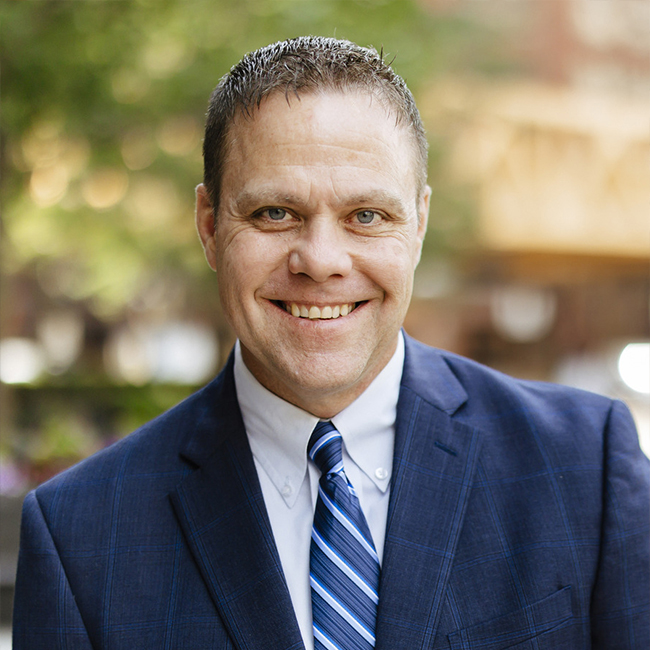 Tim Shimp, Educational Learning Designer | Ed.D., DLR Group
Dr. Tim Shimp is an educational learning designer who works with design teams and clients to ensure teaching and learning objectives are met. He supports school districts in developing high impact, engaging, and innovative learning environments. Tim is a 30-year education professional, spending the last 10 years as superintendent. He has demonstrated successful leadership at the district level, most recently for Yorkville CUSD 115, where he managed a wide range of planning and implementation programs.
|
| Purpose-Driven, Collaborative Education for a Resilient and Equitable Workforce: How the Anderson Institute of Technology Boosts the Local Economy |
| |
Grandville C/D
How can a learning environment improve a population’s economic outlook while preparing students for future workforce demands?
The Anderson Institute of Technology (AIT) is a cutting-edge career and technical education program that prepares students for college and careers in the current competitive and fast-changing job market. AIT’s mission is to ensure students can compete successfully in the workforce and contribute as citizens. To do this, AIT offers high-tech training aligned to meet the employment needs of the local industries. AIT is purposefully designed to foster a seamless transition for graduates into the workforce or higher education.
In this interactive education session, our panel will reveal how AIT’s innovative secondary education model can be applied to other school districts and counties across the Southeast, and why it is having positive impacts on students, the business community, and the economy of the county it serves.
AIT was established in 2019 as a collaboration between three of five Anderson County, South Carolina school districts and local industry partners. It serves students from four high schools across Anderson Districts 3, 4 and 5, providing them with real-world experience early in their educational careers. The $34 million, 120,000-square-foot facility was funded by a voter-approved penny sales tax increase in 2014.
The facility’s design reflects AIT’s commitment to creating an environment that prioritizes student-owned, project-based, hands-on learning. AIT’s school has three different wings: manufacturing, technology, and human services. The program offerings are crafted using information obtained from a Comprehensive Local Needs Assessment that captures the feedback from local businesses, industry leaders and higher education faculty to determine the specific skilled employment needs for the area.
Relevant programs span from early childhood foundations to advanced technical training and artificial intelligence. AIT also has an Incubator Lab, where students can develop and patent their own inventions in partnership with Bosch, Michelin and other invested corporate partners like Arthrex, First Quality, and Medshore. Corporate partnerships are a big part of the program’s branding and success. Corporations donate equipment, program funds, and provide further training opportunities that motivate students to complete certification programs or achieve college credits. These partnerships develop tomorrow’s skilled workforce by connecting AIT-trained students with viable career pathways, paid internships, or full-time in-demand career opportunities.
The framework for AIT’s approach to learning is project-based and student-driven. Students choose a career path that matches their interests and aptitude, and work on authentic problems and solutions that relate to their chosen field. Teachers act as facilitators of learning and guide students through the process of inquiry, research, design, and presentation. Students are required to do a capstone project, where they state the problem they are trying to solve, conduct research, collect and analyze data, propose and test solutions, and present their findings and recommendations in a public venue.
AIT’s model has resulted in notable accomplishments and recognition. In 2021, AIT was honored with The Excellence in School Building and Design Award by the Association for Learning Environments. In 2022, 275 students earned AP and college-level credit from AIT courses. Several AIT programs, from health sciences to automotive, provide professional certifications that enable graduates to immediately enter the workforce in well-paying jobs.
Approximately 98% of AIT students continue their chosen program of study, either by entering the workforce or pursuing higher education. AIT is achieving all this while serving the most impoverished areas of Anderson County.
As AIT graduates secure internships or full-time employment, the infusion of these skilled workers to the region supports the local economy and uplifts entire communities.
AIT’s vision is to prepare every graduate to be college and career ready, enter the global workforce, and be a successful and contributing citizen. The school’s innovative education model demonstrates the transformative potential of purpose-driven, collaborative education for college-readiness and workforce development.
This education session will share the unique organizational structure, facility design and pedagogy used to implement AIT’s education model – focusing on how it can be replicated and adapted to other districts and regions. Attendees will complete a worksheet covering the aspects that go into planning a school such as AIT, from district alignment to industry partnerships. They will also receive a copy of the Comprehensive Needs Assessment given to local businesses.
Presenters will also highlight the importance of collaborative learning environments in developing future leaders, with a focus on motivation, upward mobility, equity, safety, and academic success. This session aligns with the conference theme, “United By Design: Bridging States for Better Learning Environments” as it engages the audience in a dialogue about how the collaborative learning environments created at AIT can serve as a model to other school districts who are aiming to launch new technology and workforce development pathways that leverage partnerships with local businesses, global brands and higher education institutions to prepare students for the future in the age of rapid technological advancement and artificial intelligence.
Learning Objectives:
- Reveal how the Anderson Institute of Technology (AIT) uses industry data and feedback to align its programs with global academic and technical standards that prioritize fulfilling local industry needs. Explain how it prepares students for college and career readiness in the age of advanced technology and artificial intelligence.
- Describe how AIT was created to be a student-centered environment that prioritizes academic success, safety and mental and physical wellness, by integrating project-based and student-owned learning with work-based apprenticeships, internships, and dual-credit courses.
- Analyze how AIT’s facility design reflects its innovative educational model and supports its mission and vision, and how it incorporates elements such as collaborative learning spaces, an incubator lab, and a coffee bar area for furthering inquiry and faculty interactions outside of the classroom.
- Evaluate the impact of AIT’s model on the students, the business community, and the economy. Present data that supports how AIT fosters a resilient and equitable workforce, and identify the universal best practices and lessons learned from implementing this model.
Track: Educational Visioning
 Kyle Newton, Assistant Superintendent of External Affairs, Anderson School District Five
Kyle is Assistant Superintendent of External Affairs for Anderson School District Five. In this role he works directly with community stakeholders, civic groups, non-profits and elected officials in support of the mission and vision of the school district. He holds an undergraduate degree from the University of West Georgia, and a master’s degree in Public Administration from Clemson University. Engaged with the local community, he is currently the past-Chairman for the Anderson Area Chamber of Commerce and has served on Anderson City Council since 2016.
 Ben Thompson, Principal, K-12 Practice Area Director, McMillan Pazdan Smith
Ben is the K-12 Practice Area Director for McMillan Pazdan Smith’s eight Southeast offices. An experienced architect and school planner, he leads a variety of projects for school districts in the Carolinas and Georgia. Ben understands that education empowers students to become future leaders, creators, and collaborators. As an Accredited Learning Environmental Planner, he focuses on providing unique solutions to support student outcomes through the programming, master planning, design, and project management process.
 Bob Couch, Director for Technical Education (Retired), Anderson Institute of Technology
Dr. Couch is a state and national leader in technical education. He served as the SC State Director for Technical Education for 13 years and launched two technical centers for grades 9-12. He also served as Executive Director of the Anderson Institute of Technology. Dr. Couch was a major contributor to the landmark education bill, called the Education Economic Development Act of 2005. In 2022, he was awarded the Governor's Award for Excellence in Scientific Awareness.
|
| Bridging Cultures, Building Dreams: Designing Tomorrow's Learning Landscapes with the Hilton Head Island High School Story |
| |
Grandview (Upstairs)
Join us as we delve into the case study of Hilton Head Island High School’s rebuild, a monumental project uniting communities through design.
Discover how we are successfully spearheading the modernization of the largest single-story school structure in Beaufort County. Our presentation focuses on the pivotal role of community involvement in the design process, with emphasis on engaging the local Gullah Geechee culture and heritage, which spans the southeast, from North Carolina to Florida.
As we showcase the dynamic intersection of educational architecture, cultural preservation, and community collaboration, we will illustrate the innovative strategies employed by the Citizen-Led Oversight Committee—comprising CPAs, urban planners, civil engineers, and project managers. Join us to explore the future of educational spaces that transcend state lines and embody the spirit of unity through thoughtful design.
Learning Objectives:
- Learn the role of community engagement in educational design and understand how collaboration with diverse stakeholders enriches the educational environment and contributes to the success of large-scale projects.
- Gain insights into strategies for integrating local cultural elements into educational spaces to create inclusive and culturally responsive environments.
- Understand how diverse expertise within the committee, including CPAs, urban planners, civil engineers, and project managers, ensures accountability and successful project outcomes.
- Acquire practical insights into best practices for selecting and working with architectural firms on educational initiatives, promoting efficiency and successful project delivery.
Track: Community Engagement
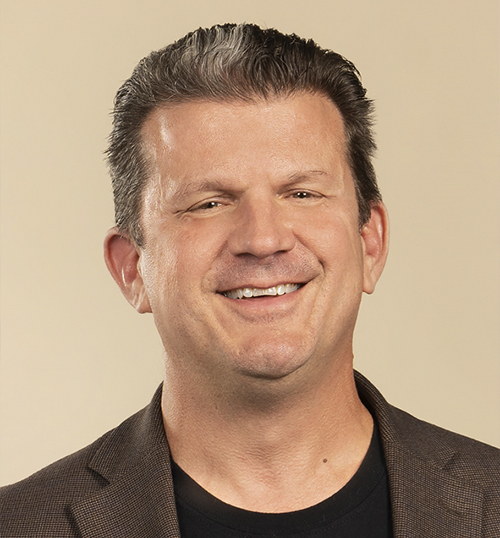 Don Baus, South Carolina Studio Principal, Little Diversified Architectural Consulting, Inc.
Don has more than 27 years of industry experience specifically focusing on K-12 education projects. He is passionate about the potential of educational environments to improve the lives and minds of students, teachers, and staff. Don is dedicated to understanding the psychological impact of the built environment on its occupants and how design can positively impact learning environments.
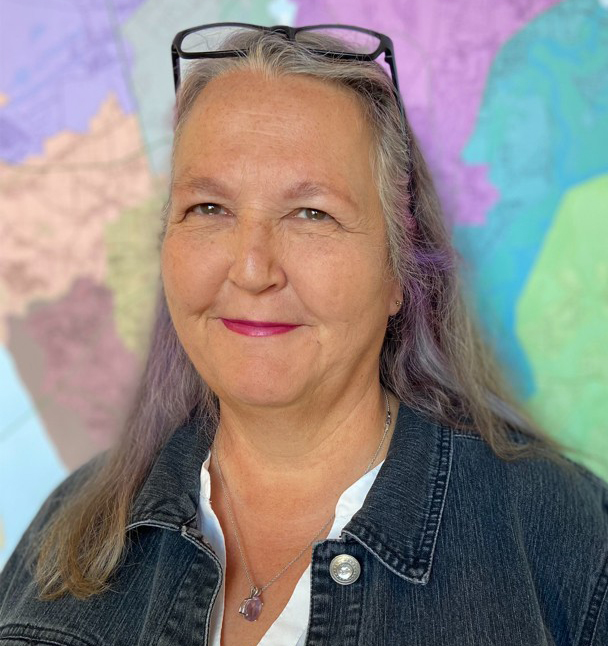 Carol Crutchfield, Director of Facilities Planning & Construction, Beaufort County School District
Carol has over 19 years’ experience in comprehensive school planning, examining the interplay of school facilities, instructional programming, and student demographics, while working with over 20 school districts in the southeast developing capital improvement and phased student assignment planning including opening new schools and consolidating older ones. She coordinated furniture planning for 8 new schools with the Beaufort Co. School District (SC). She developed one of the first Facilities Management GIS for K12 environments.
 Chris Tymoff, Senior Project Architect, Little Diversified Architectural Consulting, Inc.
Chris is responsible for conceptual development and leads teams to the realization of the design through the execution of design documents. Chris’ focus is on a collaborative design process that explores the nature of materiality and regenerative high-performance design. He has worked on a variety of project types that focus on creating unique spaces for learning, living, and socializing. He’s the Senior Project Architect for the Hilton Head High School Project.
|
| MONDAY, APRIL 22, 2024 | 2:45 – 3:45 PM |
| Quick Impact Change Management for Architects and Designers in Educational Spaces |
| |
Whitehall
Are you leading or facilitating workshops in schools to design new learning environments? If you’re involved in district master planning, leading visioning sessions and workshops, or working with teachers to design new spaces or select furniture, this workshop aims to provide you with essential change management strategies. Participants will gain practical tools to collaborate effectively with educators and ensure the successful adoption of new learning environments. We will focus on the most impactful strategies and guide you through the essentials of working with teachers and school administrators during the planning, design, and implementation phases. This fast-paced session is designed to introduce participants to the core aspects of leading change in educational settings.
Learning Objectives:
- Principles of Educational Change Management: Understand the fundamentals of change management specific to schools, including common challenges and success factors.
- Collaborative Design Strategies: Learn how to engage teachers and stakeholders effectively to incorporate their insights and foster ownership of the new spaces.
- Communication for Change: Discover techniques for clear, persuasive communication that facilitates buy-in and smooths the transition process.
- Case Study Lightning Round: Analyze a real-world example of successful change in a school setting, highlighting key takeaways and lessons learned.
Track: Educational Visioning
 Jill Ackers, Director of Education, VS America
Jill is a distinguished expert in educational design, working with architects and designers to transform learning environments across the U.S. and globally. With almost three decades of experience, she champions innovative, collaborative spaces that enhance learning and adapt to future needs. Acknowledged for her thought leadership and impactful projects, Jill continues to shape the intersection of architecture and education, driving change and fostering environments where students and educators thrive.
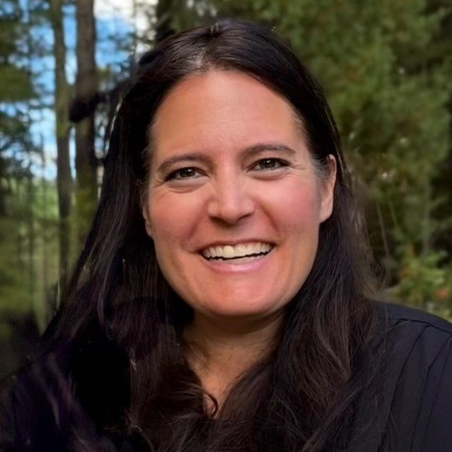 Courtney L. Sevigny, M.Ed., Learning Environment Specialist, VS America
Courtney is an accomplished Educator and Educational Consultant, boasting a rich 19-year history in education. Her expertise shines in her recent role as a building principal for the past 11 years, where she spearheaded a comprehensive, multi-year transformation at her school. This transformation was pivotal, revolutionizing not only the physical spaces and teaching methods within her building but also triggering a district-wide shift towards enhancing educational experiences for all students.
Driven by a profound understanding of the transformative power of space and furniture in education. Courtney has dedicated herself to supporting Architecture and Design (A+D) firms, districts, and schools. Her goal is to reimagine and reshape learning environments in ways that significantly boost student outcomes. Her departure from the school setting was a strategic move to extend her influence, enabling her to work closely with K-12 schools across the United States. This journey reflects her deep-seated commitment to cultivating dynamic, future-oriented learning spaces that benefit both students and educators alike. Courtney’s work exemplifies her belief in the critical role of change leaders in education, and her endeavors continue to inspire and facilitate positive change in the field.
|
| Designing Spaces and Meeting the Needs of Diverse Learners Through Community Engagement |
| |
Nottingham
Diverse and inclusive spaces improve teaching and enhance learning. Students learn and enrich their abilities to think critically and creatively as they engage in conversations across differences, especially when all learners’ abilities and attributes are embraced. Explore concepts from case studies that celebrate diversity and pragmatic approaches to the opportunities and considerations in developing and implementing programming, specifically focused on meeting the diversity, equity and inclusion goals of their institutions and communities. Learn how to facilitate equity-centered, community engagement conversations to help root designs in the cultural needs, values and desires of specific neighborhoods or diverse communities.
An open dialogue is welcome at the end of the presentation for speakers and audience to learn from each other on diverse and inclusive space design best practices and implementation in the community.
Learning Objectives:
- Understand how to engage and assess social and community perspectives important and unique to diverse institutions.
- Identify design principles and practices that promote the inclusivity of learning spaces.
- Understand key priorities and metrics to align equity and inclusion goals of the academic institution.
- Understand future benefits of designing successful diverse, inclusive, and equitable spaces through case studies, lessons learned, best practices, and educator perspectives.
Track: Community Engagement
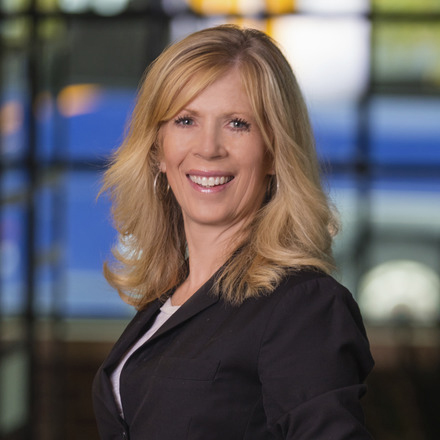 Adele Willson, AIA, LEED AP, ALEP, Principal, Hord Coplan Macht
Adele joined Hord Coplan Macht in 1984 and leads the office’s practice for K-12 schools and during her 35+ years of experience, has worked with all levels of public schools throughout the state related to programming, master planning, and design of their facilities. She is passionate about designing high performing beautiful schools that meet the needs of 21st Century learners.
 Gary Hubler, Principal, Hord Coplan Macht
Gary has more than 35 years of experience in the design of higher education and K-12 projects. Over the course of Gary’s architectural career, he has designed over 2 billion dollars worth of educational facilities.
 Valerie Caruolo, PK Research Specialist, Hord Coplan Macht
As an architect and research leader, Valerie’s experience spans all design phases for both PK-12 and Higher Education projects. Her work focuses on placemaking and setting the stage for emergent learning and lifelong wellbeing. Co-author of peer reviewed research on how environments impact human outcomes, she serves as Research Co-Chair of the AIA CAE. Former Stanford d.School University Innovation Fellow, adjunct faculty, member UMD’s Academy for Innovation and Entrepreneurship. B.A. Brown University. M.Arch University of Maryland.
|
| BETTERMENT BY DESIGN: An Opportunity for Change for Danville Public Schools |
| |
Grandville C/D
The Danville, VA, community needed a change. Textiles and tobacco jobs had vanished. The leaders within the area saw an opportunity for improving the educational opportunities, and school facilities through Danville Public Schools supporting a plan of additional sales tax revenue, a new casino, and a bond sale. Starting in 2020, the Superintendent and staff developed a plan to rejuvenate their schools, provide new educational options, increase student achievement, and engage student and stakeholders in a new vision for Danville Public Schools. Danville Public Schools and their partner MBP, would like share their story.
Learning Objectives:
- Community Engagement
- Educational Facility Pre-Design Planning
- Educational Facility Implementation / Project Delivery
Track: Educational Facility Implementation, Project Management / Project Delivery
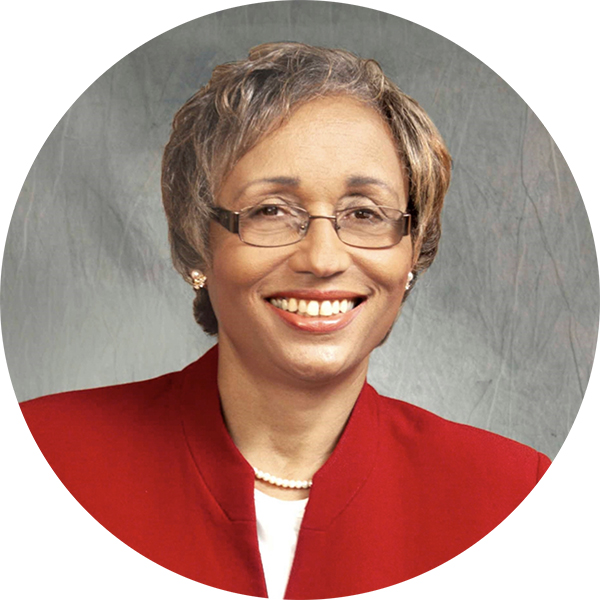 Angela Hairston, Superintendent, Danville Public Schools
Dr. Angela Hairston is a native of Southside, Virginia and received her secondary education from the Pittsylvania School System. She received a Bachelor’s Degree in Mathematics and Business Management from Averett College and began her career in education in the Halifax County and Virginia Beach School systems, before returning to Danville to teach mathematics at George Washington High School. Dr. Hairston later served as the first principal of Westwood Middle School.
Dr. Hairston continued her education by earning a Master’s Degree in Secondary School Administration from Hampton University in Hampton, Virginia, and a Doctorate Degree in Educational Leadership from Virginia Tech University, in Blacksburg, Virginia.
Dr. Hairston continued her career in the state of Georgia serving as director of human resources, a principal, and an assistant principal for the Gwinnett County Public Schools (Georgia’s largest school district), as a region superintendent and principal for the DeKalb County School District (Georgia’s third largest school district) and as a superintendent in the Augusta/Richmond County, Georgia and North Carolina.
In 2018, Dr. Hairston was selected to participate in the prestigious and nationally recognized Broad Superintendents Academy.
Dr. Hairston’s goal is to focus energy on creating classrooms that are engaging centers of learning for ALL children, where highly effective and caring teachers hold high expectations based on understanding each student’s strengths. She believes as we strive for academic excellence, we must ensure that we support our students’ social, emotional, and mental growth in order to facilitate the development of those skills and abilities necessary to navigate school and life. Student success in every classroom requires a student-centered approach to leadership in an inclusive school and classroom environment that inspires student learning and celebrates students’ accomplishments.
Dr. Hairston believes that a school cannot live apart from the community. Her investment in parent and community engagement spans decades. The belief that “All” children can learn at high levels given the right support is her message to parents and the community. Success is not optional for our children; success is a must!
In addition to dedicating much of her life as a professional educator, Dr. Hairston enjoys spending time with her husband, Lt. Colonel Ronald Hairston, their children, and grandson.
Dr. Hairston lives by a famous quote from Dr. Robert Anthony, “Forget about all the reasons why something may not work. You only need to find one good reason why it will.”
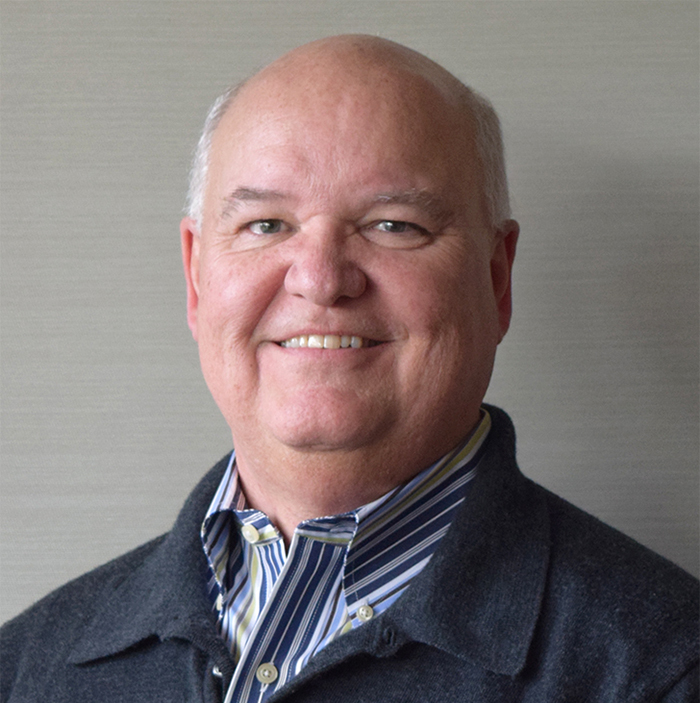 Michael Burriss, Program Manager, MBP, Inc.
Michael has more than 40 years of facility management, construction program management, and general construction experience. His roles have included Project Engineer, Project Manager, Project Director, Program Manager and Assistant Superintendent for various federal, state, and municipal clients. Michael has experience in K-12, higher education, municipal, and state construction throughout all phases including cost estimating, planning, pre-construction, scheduling, and budgeting. He has extensive experience leading and executing capital programs and helping clients and communities exceed the potential of their facilities’ needs through responsible planning and creative solutions to complex problems.
 Walter Lucas, Director of Capital Improvements, Danville Public Schools
Walter was born in Norfolk Virginia and is currently the Director of Capital Improvements for Danville Public Schools. He has been at Danville Public Schools since February 2021 and oversees the current four, multi-million dollar, projects ranging from planning, designing, bidding and construction of one new school, and the renovations and additions of three other schools. He has over 45 years of experience in construction including self-contracting, maintenance, and building code enforcement.
Walter was a Building Inspector and a Project Manager with the City of Danville for 25 years. Prior to that, he was an Assistant Contract Administer with the Department of the Navy. There he wrote, supervised, and managed the maintenance contracts for 5 Naval Bases, as well as working as a Maintenance Carpenter for the Navy Public Department.
Walter’s formal education consists of the completion of an apprenticeship with Virginia Apprenticeship for Carpentry. He has government certifications in Contract Specification Writing and Contract Law. Walter also attended 1 year of college, Tidewater Community College, where he studied Architecture and Design.
|
| Aspiration to Reality: Designing Spaces for Students with Severe Impairments |
| |
Grandview (Upstairs)
Often students with complex medical conditions and severe disabilities attend school in aging or make-shift facilities designed for general education. Staff struggle to accommodate their students’ unique instructional program and intensive day-to-day care in undersized classrooms, questionably functional restrooms, narrow passageways, closets converted to offices, and spaces that don’t meet ADA requirements let alone more intensive needs. Please join us to discuss lessons learned on planning and designing spaces for special need students and staff: Design considerations that transcend state lines, going beyond ADA and Special Education inclusion for those with greater needs. Presenters will share programming and design ideas that enrich the educational experience of students with disabilities, aid staff providing instruction and daily support, and result in spaces conducive to developing communication and independent living skills to achieve the student’s full potential at school, at home, and in their community.
Learning Objectives:
- Identify challenges inherent to planning and designing a school for students with complex medical conditions and severe intellectual, physical, emotional, hearing, vision and learning impairments.
- Identify key stakeholders to engage during planning stages to build partnerships within the community.
- Identify educational space programming and design requirements specific to students with disabilities.
- Identify budget challenges associated with designing a special needs school.
Track: Design of Educational Facilities
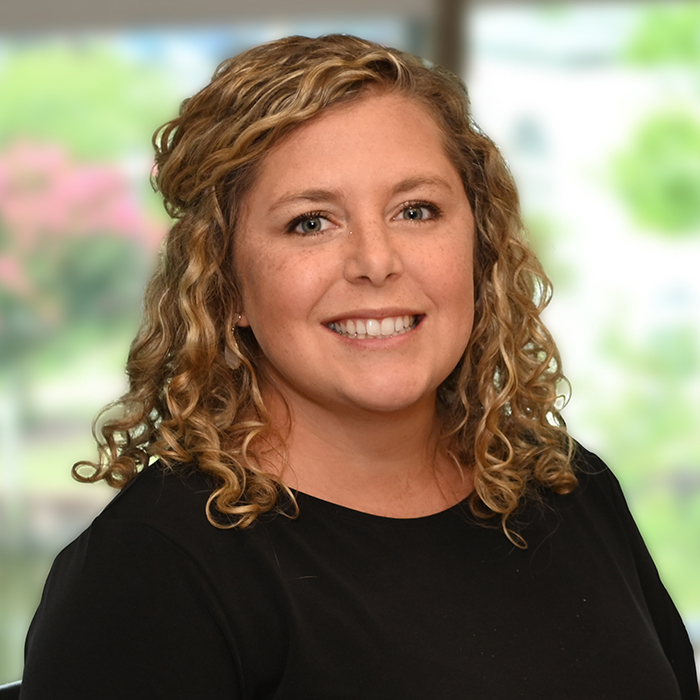 Allison Shockley, AIA, Sr. Associate, Education Practice Leader, Becker Morgan Group, Inc.
Allison has a passion for educational design and complex projects and is a leader in Becker Morgan Group’s Educational Practice Area. She enjoys collaborating with stakeholders and the project team to determine a unique and inclusive project vision. From renovations to new schools, she is committed to enhancing learning environments and providing community partnerships.
 Jessica Swencki, Deputy Director, myFutureNC
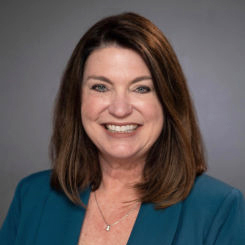
Jessica serves as deputy director for myFutureNC and has proudly served North Carolina public schools in district and state-level leadership roles for 30+ years. She has a proven track record for effective communication, building effective cross-sector teams, project management and stakeholder engagement. Jessica is a graduate of the University of North Carolina at Wilmington and holds her Master’s in School Administration and Bachelor of Arts in Special Education with concentrations in learning and emotional disabilities.
 Deanne Meadows, Superintendent, Columbus County Schools
Dr. Deanne Meadows has proudly served as an educator for 33 years in public education. She attended the University of Kentucky to obtain her Bachelor of Arts and the University of North Carolina at Wilmington to earn a Masters and Doctorate in Education Leadership. Currently, she serves as Superintendent of Columbus County Schools. For 24 years as an administrator, her mission is providing an equitable educational experience for every student as they reach their fullest potential.
|
| TUESDAY, APRIL 23, 2024 | 9:15 – 10:15 AM |
| Straight From the Source: Learn The Real Current Design Needs of End Users – Students |
| |
Whitehall
Schools are built for kids, right? More specifically, for kids to make meaningful connections with each other, and their teachers while engaging in their learning experience. They are also built for school teachers, and school leaders to facilitate that learning experience throughout their school. Students truly are the end-users who are most impacted by building design and use. In this session you will hear from a veteran school principal who currently leads St. James Intermediate School which is an atypical school design that opened 6 years ago. Attendees will analyze current research data from students on what their needs are regarding making connections, and how transformational this can be in designing and furnishing schools for the real end-users. Teacher feedback on how building design can support their work will also be analyzed. Attendees will also learn what skills are required of a 21st Century Graduate, and how his staff uses an atypical school design at St. James Intermediate School to increase learning connections of all stakeholders, which attendees can apply to their work in designing and building schools.
Learning Objectives:
- Learn from current research and evidence from end users (students and teachers) in regard to their physical, social-emotional safety and well-being, as well as specific learning needs that can be applied to improving professional design practices for actual end-users.
- Learn how an atypical design is being utilized to promote social interactions, equity in learner experiences, and how its sustainable solar panel – geothermal energy design created a net-positive school.
Track: Design of Educational Facilities
 David Cupolo, PhD., Principal, St. James Intermediate School, Horry County SC & Coastal Carolina University
David is in his 18th year as a building principal. Currently he is principal of St. James Intermediate School, a state of the art school, with open collaborative learning design. He collaborates globally with educational researchers, authors, and consultants, to transform educational practices to meet the needs of learners. As an instructional leader his focus is using student feedback, to provide learning experiences that meet their needs and fosters environments leading to learning thrill.
|
| How School Modernization Enhances Education and Community Resilience: Results of the Latrobe Prize Study |
| |
Nottingham
School districts that spend tax dollars to improve their schools can get much more than a new or renovated building. A new study has demonstrated statistically significant connections between school modernization and occupants’ well-being and satisfaction; and that the modernization process enhances community engagement and connectivity. Evidence also indicated that school modernization has a significant positive impact on key educational indicators, including test scores, graduation rates, and enrollment over time.
Conducted by Perkins Eastman in conjunction with the Drexel University School of Education, the “Addressing a Multi-Billion Dollar Challenge” study evaluated more than two dozen schools—both modernized and non-modernized—across the District of Columbia and Baltimore City school districts. With tools to measure indoor environmental quality, assessments of design, layout, and “ambiance” of each building’s interior and exterior, questionnaires for the people who use the schools, and interviews with community members, the research team concluded that modernized schools outperformed non-modernized schools to the significant benefit of students, teachers, and staff in almost every category.
The multi-disciplinary research team for this study investigated the differences between 28 modernized and non-modernized elementary, middle, and high schools. Students showed enhanced academic performance in the updated schools. Modernized schools also hold the potential to enhance community health and wellness while helping to anchor their communities through, among other things, providing health clinics, food distribution, and publicly accessible recreational facilities.
This study was performed against a backdrop of shocking disinvestment in the US public schools that educate more than 49.4 million children across the country, according to the National Center for Education Statistics. A public school’s average age is 42 years, according to the US Department of Education, and according to a 2021 report called The State of our Schools, the annual shortfall in maintenance and improvements for those buildings is $85 billion.
Identifying the potential benefits of school modernization that will help jurisdictions build a stronger case for the importance and funding of school modernization was the goal of this study. The study also provides recommendations for how best to spend modernization dollars, as well as tools and guidance for designers and school districts who might want to replicate the study’s methods.
Learning Objectives:
- Learn what the research indicates are the most significant features of the modernized schools and how these results can inform your own work.
- Understand the tools and processes used to conduct the research and how they can be used to replicate the analyses performed on your own projects.
- Engage the three facets contributing to a more holistic analysis of the learning environment: Indoor Environmental Quality, Educational Adequacy and Community Connectivity.
- Leverage the findings to advocate for additional funding for school modernization.
Track: Assessment of the School Facility
 Sean O’Donnell, Principal & K12 Practice Area Leader, Perkins Eastman
Sean leads Perkins Eastman’s international K-12 education practice. Understanding how intrinsic learning is to the human experience, he sees schools as the center of community, bringing together civic architecture, sustainable design, and innovative educational planning to create high-performing, inspiring places where students learn and grow. A global thought leader in education facilities research and design, he is co-director of the Consortium for Design and Education Outcomes, a partnership with Drexel University’s School of Education.
 Heather Jauregui, Director of Sustainability, Perkins Eastman
Heather leads Perkins Eastman’s Sustainability Team. Combining her passion for both research and architecture, she works to propel the industry toward a more sustainable future. Her expertise in passive design, building science, Indoor Environmental Quality, and pre/post-occupancy evaluations helps to advance and realize the design aspirations of schools and communities, and her original research is adding to the industry’s body of knowledge on healthy, high performance places to learn.
 Karen Gioconda, Associate Principal, Perkins Eastman
Karen is a multi-talented professional who provides design leadership to clients and her colleagues. She is adept at building trust and forging relationships with clients and applying new skills to the management and design of each project that she undertakes. She served as Project Manager for the study, effectively managing numerous researchers, two school districts, and over 30 school sites over four years and one pandemic to produce this report.
|
| Be Your Best Client, and Get the Most from your Project |
| |
Grandville C/D
Bringing projects in on time and on budget is hard enough, but a successful project achieves a greater vision, fulfilling the needs of our students and communities. Only when all parties are working together effectively can those ambitious results be achieved. Design is a collaborative process where all parties support one another, each with a unique and important role. It is not enough for each team member to do their individual job well- we must have an understanding of how all the pieces work together, and how we fit into the overall process.
When acting in the role of the client, what can administrators and facility operators do to streamline the delivery process and get the best results for their project? How can you get the most from your team of program managers, designers, engineers and contractors? Removing obstacles, optimizing the working relationships, and uniting the entire team through concept, design and construction, allows everyone to focus on the common goal of creating the best educational spaces for our students.
Drawing from decades of personal experience on wide-ranging projects, together with the combined experience of Goode Van Slyke Architecture, Mr. Morrison will share noteworthy tips interlaced with memorable anecdotes of real-world situations. The program will address best-practices for project delivery, identifying common pitfalls and how they can be avoided. It will offer suggestions on how to “be a great client,” and get the most out of your Architect.
Topics will include:
- Understanding how your organization’s decision-making process works, and using it to make clear and timely decisions.
- How to get the most out of your Architect: when to lead, when to collaborate, and when to participate.
- Investing in the programming phase to find out what you really want and need.
- Aligning the scope and budget from the start, and enrolling all team members to keeping them aligned to the end.
- Getting what you want by being clear about your expectations, prompt with your answers.
- Identifying parts of the process that are not working, and addressing them head-on.
- The importance of keeping forward momentum, and avoiding stoppages that disrupt the workflow. The design team and contractor want to meet the schedule as much as you do.
- Keeping the bar high: don’t let compromises take the life out of your project.
Learning Objectives:
- Learn how a program can be more than just a set of numbers, and how to ask the right questions to get the feedback you really need.
- Ensure that an effective decision-making process is in place, so that you are making the right decisions at the right times.
- Learn how to manage priorities during Construction Documents to preserve a thorough quality control process, avoiding delays and potentially costly changes.
- Identify leadership skills needed during construction to guide your whole team through a sometimes messy process toward a win-win for everyone.
Track: Educational Facility Implementation, Project Management / Project Delivery
 Jeff Morrison, Architect, Goode Van Slyke Architecture
Jeff has over 25 years of experience as an Architect and Project Manager. His built projects include civic, institutional, and residential buildings in a range of scales, bound by a common focus on thoughtfully crafted public spaces that play a transformative role in the community. He routinely manages large teams on complex projects, meeting project goals and exceeding client expectations with a process of collaboration, creativity, and attention to detail.
|
| Esports: A Game Changer for Student Engagement and Learning Space Design |
| |
Grandview (Upstairs)
Join us to learn about how Esports is changing the game for student engagement and learning space design in PK-12 education. You will discover the compelling Why, What, and How of Esports as a valuable addition to school environments, and explore how educational spaces are adapting to accommodate the exploding demand for gaming and Esports-focused facilities.
Gain a competitive edge as we explore strategies for integrating Esports seamlessly into current and future learning space design. Whether you’re an educator seeking to enhance student experiences or a designer looking to stay ahead of the curve, this session offers valuable insights and actionable takeaways to create dynamic, immersive learning environments that harness the full potential of Esports in education.
Esports is a powerful tool in education that can help students learn both academically and socially. Esports helps students develop ‘Durable Skills’, such as teamwork, communication, critical and strategic thinking, creativity, sportsmanship, and leadership. Research is finding that participation in Esports enhances student engagement, particularly for those less interested in traditional sports and with students with disabilities. It also stimulates interest in STEM fields, and exposes students to diverse college and career pathways at an early age.
Learning Objectives:
- Understand the foundational principles behind Scholastic Esports and its transformative impact on PK-12 education, including its influence on student engagement and learning space design.
- Identify the key components of the “Why, What, and How” of Esports integration in school environments, recognizing its significance as a valuable addition to educational settings.
- Explore innovative strategies for seamlessly integrating Esports into current and future learning space design, enabling participants to gain a competitive edge in creating dynamic and immersive educational environments.
- Recognize the multifaceted benefits of Esports participation for students, including the development of “Durable Skills” such as teamwork, communication, critical thinking, and leadership, as well as its role in enhancing engagement, promoting interest in STEM fields, and providing exposure to diverse college and career pathways.
Track: Educational Visioning
 Jon Gregori, Innovation Specialist, Henrico County Public Schools
Jon boasts 20 years of educational experience with Henrico County Public Schools. As an Innovation Specialist, he champions deeper learning, student engagement, and scholastic Esports. Jon’s expertise spans innovative grants, student presentations of learning, and more. As a speaker, he has presented at conferences including ISTE, EdLeader21 and A4LE. Currently, Jon leads the Learning Space Committee for two new Middle School Centers for Innovation in Henrico.
 Deia Champ, Director Middle School Education, Henrico County Public Schools
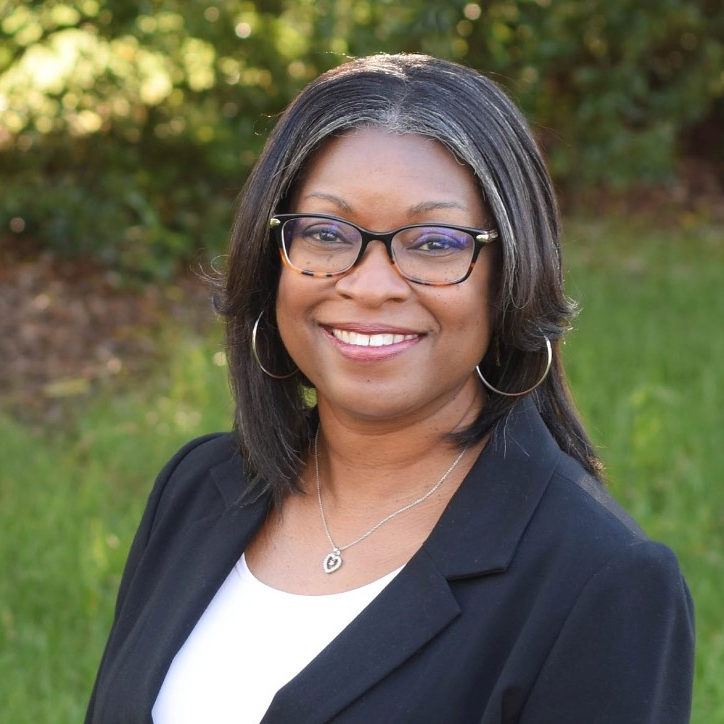
Deia is the Director Middle School Education with Henrico County Public Schools. She is highly experienced and successful educator invested in leadership coaching and mentoring, building leadership capacity, and promoting wellness and self-care. Currently, Deia leads the project lead for two new Middle School Centers for Innovation in Henrico.
 Kourtney Gregori, Director of Innovation, Henrico County Public Schools
Kourtney is an experienced Director of Learning with a demonstrated history of working in the Education Management industry. She is skilled in Educational Technology, Training, Curriculum Development, and Technology Integration. Kourtney is a strong human resources professional with a Bachelor of Science (B.S.) focused in Social Sciences from Radford University, a Masters of Education focused in Curriculum, Instruction, and Technology from Virginia Polytechnic University, and a Post-Master's Certification in PK-12 Educational Leadership from Virginia Commonwealth University.
|
| TUESDAY, APRIL 23, 2024 | 10:45 – 11:45 AM |
| Creating a Transformation Movement: A Collaborative Journey Toward Change at Forest Park Elementary School |
| |
Whitehall
Introduction: Our presentation delves into the inspiring story of Forest Park Elementary School in Winston-Salem, NC. Through a unique case study, we showcase a collaborative effort to transform the school’s media center into a vibrant and inclusive space for students, staff, and the community.
Overview: Research underscores the pivotal role in transforming learning in K-12 schools is the transformation of learning spaces. Yet millions of students throughout North America continue to walk into dated facilities and traditional in-line, inflexible environments. Our journey begins with a question: How can we build a transformation movement that transcends school boundaries, starting with a central and often under-utilized learning space—the school library?
The Collaborative Effort: In this presentation, we will take you on a journey to design a vision of a media center that goes beyond a repository of books and serves as a dynamic and transformative space for students, staff, and the community. The Forest Park Elementary School Media Center Project is a collaboration involving a Title I school district, a philanthropic organization, and a manufacturer. Learn how space has brought the vision of the school and district to life allowing for opportunity, access, and collaboration. Together, we explore the impact of dynamic, flexible learning spaces on the momentum of change.
Conclusion: Our presentation promises a compelling and informative session, offering valuable insights into how transforming a space can spark a broader movement. The Forest Park story is one of inspiration, collaboration, and inclusivity. We believe our experience will resonate with conference attendees, inspiring them to embark on their own transformative journeys.
We look forward to sharing this transformative story with the conference attendees and igniting a passion for inspired design, personalized learning, and inclusive processes. Together, let’s create a movement that positively impacts education for all.
Learning Objectives:
- Insights into Core Design Principles: Gain a deep understanding of the three core design principles guiding the transformation; providing insights into translating a vision into a tangible reality. The design principles, inspired by Generation Alpha, allow us to explore the challenges and triumphs of designing a media space that caters to students’ unique needs and balancing the needs of the community.
- Forest Park Perspectives: Hear firsthand from Forest Park school personnel on how the library's transformation has sparked positive change within their school community. Explore the broader impact on students, staff, and the community.
- Results and Transformation: Witness the journey of our dedicated team of volunteers who invested their time in changing a community. Explore the tangible results and transformation that occurred through the redesigned media center.
- Facilitating Collaboration: Understand how the newly designed media center facilitates students to actively discover and create, immerse themselves in the pages of books, and autonomously select reading materials.
Track: Design of Educational Facilities
 Patricia Cadigan, M.Ed, ALEP, Vice President of Learning Environments, Artcobell
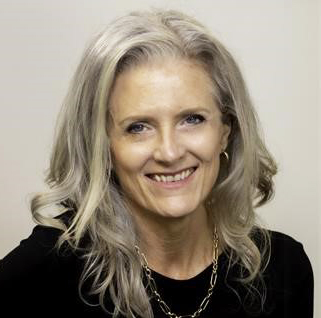
Patricia is a seasoned education professional with 28-year journey dedicated to shaping the landscape of public education. With over 17 years in school administration and a rich background as a teacher, Patricia brings a unique blend of instructional expertise and leadership acumen to her diverse roles within the educational realm. Throughout her dynamic career, she ascended through various leadership roles at elementary, middle, and high school levels, accumulating a wealth of experience and insights that have shaped her holistic understanding of the educational landscape. Her dedication to creating optimal spaces for learning is further underscored by her achievement of ALEP certification, a testament to her commitment to excellence in educational facility planning. Joining forces with the Artcobell team, Patricia now brings her extensive user experience to the forefront, where she plays a pivotal role in shaping the intersection of learning spaces and best practices in teaching. Her multifaceted role encompasses professional development, training, programming, planning, and research, as she collaborates with educators to ensure that educational spaces are not just physical environments but dynamic hubs of inspiration and innovation.
 Tiffany Ramey, Librarian, Forest Park Elementary
Tiffany is not just a librarian; she’s a guardian of knowledge, fostering a love for literature and learning in the hearts of students. With a Master’s degree in Library Science and a passion for connecting readers with the perfect book, Tiffany is the newly appointed librarian at Forest Park Elementary.
Known for her warm smile and enthusiasm for storytelling, Tiffany creates an inviting atmosphere in the school library, making it a haven for curious minds. She orchestrates engaging reading programs and literacy initiatives, encouraging students to explore diverse genres and expand their horizons.
 Jill Heath, President, Heart of America (HOA)
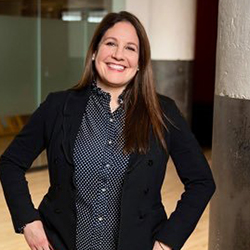
Jill is a transformative leader at the helm of Heart of America (HOA), an organization dedicated to reshaping learning environments, closing resource gaps, and fortifying communities to create space for every student to dream, discover, and thrive. With a resolute commitment to education equity, the HOA team is leaving an indelible mark on the educational landscape.
Under Jill’s visionary leadership, Heart of America has successfully renovated nearly 1,000 spaces, ranging from classrooms and libraries to STEAM labs, college/career centers, school gymnasiums, and community centers. The organization has distributed over 4.4 million books and infused more than $9.5 million in technology, thereby empowering students with the tools and environments they need for holistic development.
Jill’s approach is rooted in a deep understanding of the complexities surrounding education equity. As a manager, she played a pivotal role in the success of her team, earning gratitude for her unwavering support and dedication. Her ability to navigate intricate issues while keeping a laser focus on results has been a driving force in realizing the organization's mission.
|
| Centering Wellbeing Through Learning Spaces |
| |
Nottingham
There is growing concern for student and educator wellbeing and the challenges each are facing, making it difficult for each group to do their best learning and teaching. New research helps you better understand and identify ways to center wellbeing in learning spaces.
Our research suggests that a person’s wellbeing is better understood as a confluence of physical, cognitive and emotional factors. The research identifies six pillars of human wellbeing that are universally true: meaning, belonging, authenticity, mindfulness, optimism and vitality. Additionally, the dimensions of what impacts our wellbeing are intrinsically connected to our personal relationships and the people/environments around us.
Learning Objectives:
- Understand the challenges to occupants' wellbeing in educational institutions.
- Realize how focusing on designing to nurture wellbeing allows for the elevation of the human experience within the built environment.
- Identify 6 pillars of wellbeing and how to embed them into the physical environment in order to create more nurturing environments.
- Identify how wellbeing principles can be embedded across various space types.
Track: Design of Educational Facilities
 Nicole McGregor, Regional Sales Manager, Smith System
Nicole is a former middle school teacher, curriculum writer, and department chair. She now helps schools in NC and SC create learning spaces that are future-focused by acknowledging how space, affordances, and pedagogy impact learning outcomes.
 Ginny Ryan, Regional Sales Manager, Smith System
Ginny lives in Canton, GA. She received her MBA from Kennesaw State University in 2020. After 14 years in Industrial Sales, Ginny became a Regional Sales Manager for Smith System in 2023. Ginny has a passion for helping to create safe, effective and inspiring spaces for students and teachers.
|
| Regenerative Design Perspectives and Case Studies |
| |
Grandville C/D
Going beyond the conventional net-zero design approach, regenerative design is a holistic approach to building design that requires coordination with the full design team, owner, and relevant stakeholders. By incorporating grid harmonization, sustainable materials, positive environments, and more, regenerative design shifts the focus from minimizing negative impact to maximizing a building’s positive impact. Learn how project teams can partner with school districts to design high-performance, energy-efficient buildings that prioritize environmental sustainability, enhance occupant health and wellness, and use buildings as a teaching tool for students. In this session, we’ll explore key design strategies for maximining a building’s positive impact, as well as highlight case studies from K-12 school districts embracing regenerative design.
Learning Objectives:
- Understand the principles of regenerative design and how it expands upon net-zero design and construction practices.
- Learn the importance of team coordination among designers, owners, and stakeholders in pursuing and achieving high-performance building goals.
- Explore how regenerative design contributes to environmental sustainability, improves occupant health, and serves as an educational resource within K-12 schools.
- Identify holistic building strategies for achieving regenerative design.
Track: Educational Facility Implementation, Project Management / Project Delivery
Zachary Schneider, Principal / Electrical Engineer, CMTA
Zac has been providing electrical engineering design for CMTA projects for 21 years. Utilizing his electrical and lighting controls expertise, Zac ensures electrical and energy-efficient designs are seamlessly and optimally executed by coordinating closely with owners and the design team to surpass project expectations and ensure sustainable design principles are incorporated. He has become an expert in daylight harvesting, lighting controls, and low-power density lighting design.
 Stephen Robey, Electrical Engineer, CMTA
Steve is a highly qualified electrical engineer with more than 30 years of experience, both in the US and the UK/overseas, designing and managing MEP engineering projects. Additionally, he has significant experience with healthcare, research laboratory, and educational facilities. As a design leader, he guides a team of seasoned engineers in designing functional, cost-effective, and energy-efficient solutions. Steve takes a collaborative approach to electrical design that capitalizes on the collective intelligence of the entire team.
|
| Sustainable Design in Action: Best Practices for K-12 Schools in the Southeast |
| |
Grandview (Upstairs)
This presentation, anchored in the principles of the AIA Framework for Design Excellence, provides a comprehensive analysis of contemporary trends and leading practices in sustainability and green building within the K-12 educational sector. It delves into pivotal subjects such as decarbonization strategies, the adaptive reuse of existing structures, minimization of on-site fossil fuel dependence, and fortifying climate resilience. Additionally, this talk brings to the forefront the critical intersection of equity and design excellence in educational facilities. It offers a unique platform for K-12 facilities planners and key stakeholders to deepen their understanding of the latest sustainability initiatives, address the specific challenges faced by educational institutions, and discusses pragmatic strategies for embedding these sustainability tenets in both current and future projects.
Learning Objectives:
- Understand the Essentials of Sustainable Design in K-12 Education: Gain insights into the core principles of the AIA Framework for Design Excellence and their application in creating sustainable learning environments.
- Explore Strategies for Decarbonization and Climate Resilience: Learn about effective methods for reducing carbon footprints, enhancing energy efficiency, and building climate-resilient K-12 facilities.
- Identify Opportunities for Adaptive Reuse and Reduced On-site Fossil Fuel Use: Discover practical approaches for repurposing existing structures and minimizing fossil fuel consumption to foster more sustainable school environments.
- Discuss the Integration of Equity into Sustainable Educational Design: Engage in a dialogue on how to incorporate equity and design excellence, ensuring that sustainable practices benefit all members of the school community.
Track: Design of Educational Facilities
 Aaron Brumo, AIA, LEED AP BD+C, Senior Architect | Associate Principal, Clark Nexsen
Aaron is a senior architect with 25 years of experience in a wide variety of project types including K-12, higher education, and commercial. Since joining Clark Nexsen in 2013, he has designed over half a million square-feet of schools across North Carolina and eastern Tennessee. He led teams to design the Carolina Day Lower School, Innovative High School, and Edneyville Elementary School, all of which won NC AIA Design Awards.
 Adam Torrey, AIA, LEED AP BD+C, WELL AP, LFA, Sustainability Leader | Architect, Clark Nexsen
Adam is a licensed architect and the Sustainability Leader at Clark Nexsen. He has dedicated his career to intertwining design excellence and environmental performance. A proponent of analysis-driven solutions and human-centered environments, he integrates sustainability strategies across building design disciplines. He helps lead the progress towards industry carbon-neutrality commitments and plays a pivotal role in fostering a culture of deep sustainability within the firm.
|
| WEDNESDAY, APRIL 24, 2024 | 9:00 – 10:00 AM |
| Elevating the Future Student Experience: The Greensboro Day School Master Plan Story |
| |
Nottingham
Elevating the future student experience is critical to the success and advancement of independent schools. We’re in an age of rapid technological transformation with deep wellness challenges. Educating for tomorrow is in constant flux. Customizing educational opportunities for every child is ever more achievable. The relevance and meaning of education are constantly questioned against opportunities to impact with public purpose, preparing students for an evolving world of higher education, and equipping students to thrive in the future unknown workplace. This session will look at the Greensboro Day School Master Plan as a case study for exploring and designing the future.
Learning Objectives:
- Learn how to optimize full stakeholder engagement (students, parents, teachers, administrators, and community partners) to maximize results and drive development.
- Explore the importance of communication strategies with community partners and the school community to craft an Innovation and Public Purpose Center.
- Explore how Master Planning addresses education’s biggest challenges: relevance, rapid change, customized learning, holistic wellness, and crafting student’s future experiences.
- Understand the strategic integration of innovative, transdisciplinary thinking and entrepreneurial models in master planning, fostering an educational environment that prepares students for an evolving and unknown future workplace while addressing the challenges and opportunities of the modern educational landscape.
Track: Design of Educational Facilities
 Shana Hetherington, Senior Project Manager, Little Diversified Architectural Consulting, Inc.
Shana brings over 23 years of experience designing educational facilities. As a senior project manager, Shana leads the coordination of the design concept with planning, engineering, and various consultants to maintain quality control throughout the life of a project. She also has a passion for sustainable living, resilient design, and its impacts on people and learning. Shana is focused on creating educational spaces that help shape the lives of children and exceed academic goals.
 Tracie Catlett, Head of School, Greensboro Day School
As Greensboro Day School’s Head of School since 2019, Tracie has achieved remarkable milestones, exceeding campaign goals, implementing a Campus Master Plan, and launching a $27M campaign. She secured the school’s largest-ever gift, enabling groundbreaking for the Helen Monroe Preschool and strategic property acquisitions, leading to consecutive enrollment growth. Committed to academic expansion, she initiated a competitive robotics team and global professional development. She holds degrees from Florida State University and Johns Hopkins University.
 Tom Balke, AIA, NCARB, Community Studio Principal, Little Diversified Architectural Consulting, Inc.
A trusted expert in delivering high-performance educational environments, Tom leads a dedicated team of architects, programmers, planners, and designers. As Partner and Community Studio Principal, Tom brings 34 years of experience in school design, collaborating with institutions throughout the southeast and nationwide. He continues to contribute to educational design, having served as an adjunct professor at UNC Charlotte and presented at conferences like A4LE, School Building Expo, NAIS, and NBOA.
|
| Developmentally Responsive Design for Early Learners |
| |
Grandville C/D
Research tells us that early brain development is critical to learning – the time when neuro-pathways are constructed and intellect takes shape. As we strive to create highly effective environments and design for healthy educational experiences, we need to recognize how learning differs from child to child and how the way they learn changes as they grow.
Using the design process for the new Blanche A. Ames (PreK-2) Elementary School as a backdrop, we will take participants on a journey into the research used to understand better the cognitive, physical, and social-emotional differences of early learners. We will explore how the District’s vision for teaching and learning and the team’s observations of students navigating their environments informed architectural responses. The result is a plan that fosters learning through play, discovery, indoor-out connections, including spaces that evolve with the child’s awareness from self to the group dynamic.
This session will also touch on universal design concepts (UD) connected to the school’s curriculum and the creation of a community school that accommodates the needs of young to old. The UD approach culminated in an innovative main ramp instead of a central stair, which became the centerpiece for discovery as students participated in a design that tells the story of the school’s name-sake.
Learning Objectives:
- Learn about the cognitive, social-emotional, and physical/motor developmental differences among age levels and how they evolve year to year.
- Understand the parallels between Universal Design concepts and age-appropriate early childhood design needs.
- Share and interact with other participants to examine elements of design that can be used to support how children learn best at early ages.
- Explore how student participation in the design process can help enrich the design and, in this case, the elements of learning through play discovery and inquiry, helping make them more authentic and meaningful to the entire community.
Track: Design of Educational Facilities
 Robert Bell, AIA, ALEP, CPTED, LEED, Managing Principal, Perkins Eastman
For more than 30 years, Robert has focused on primary and secondary education, investing in deep study of how children learn best and how architecture can support and enhance learning. A leader of educational programming and planning, Robert’s experience ranges from early childhood to higher education. Robert is Co-Chair of the BSA K12 Design Knowledge Community, is a CPTED certified professional, an Accredited Learning Environment Planner (ALEP) and serves on his local School Building Committee in Swampscott, MA.
 Dawn Guarriello, AIA, LEED BD+C, Associate Principal, Perkins Eastman
Dawn brings over 20 years of experience in educational design ranging from early childhood to higher education. Dawn’s strength is in her ability to understand user needs and create design solutions that meet those needs while allowing for future flexibility. Her technical experience allows her to seamlessly translate creative ideas into a buildable structure. Dawn is chair of the Massachusetts Architectural Access Board and also serves on her local school building committee in Concord, MA.
|
| United by Design: Bridging States for Better Learning Environments |
| |
Grandview (Upstairs)
Charlotte, North Carolina will welcome the new 35,000 square foot University City Regional
Library in the First Quarter of 2025. The progressive, age-inclusive, amenity-rich facility will
include learning environments dedicated to youth programs, private studying, community events
and meetings, a youth workroom, pre-teen and teen area, drive-through return, and public
services that are currently utilized at the existing popular library branch.
This community asset will advance literacy, education, access to technology, and many invaluable
resources for the residents, visitors, and businesses. The library will also compliment plans that
are underway for University Place, including housing units, modern retail and office space, a park,
and a refreshed pedestrian trail alongside the lake and boardwalk.
University City Regional Library will reside near hotels and conference centers, major employers
and retailers, University of North Carolina at Charlotte, locally owned shops and restaurants that
are highly accessible by interstates, major roads, greenways, and public transportation. The
collective development, along with the Ella B. Scarborough Community Resource Center, will help
to fulfill the University City Area Plans and the most recent University City Vision Plan –
”Connecting” – to create a town center.
The library celebrates and honors an intergenerational mix of users while attracting new ones
with a blend of upgraded amenities. University City Regional Library in Charlotte will proudly
serve as a primary source of education for all groups, a secondary or supplementary learning
environment, and as a collaborative community hub that embodies the welcoming spirit of
Charlotte.
Learning Objectives:
- Examine a broad array of constituents during programming to design a library with age-range
appeal, strong membership, and social impact.
- Introduce college students into the public library mix by incorporating creative means of
engagement.
- Make the library a destination by designing outdoor public spaces that connect to nearby
parks and recreation.
- Learn how accessible transit master planning plays a role in a role in attracting frequent
users and lifelong learners.
Track: Design of Educational Facilities
 Vincent J. Spencer, AIA, LEED AP, NOMA, Senior Design Manager, Associate, Gensler
Vincent has over 19 years of experience in educational and investment commercial
design. His guiding philosophy: better learning environments demonstrate communities care about
education.
Vincent is involved in all aspects of the design and construction process, from advance planning,
design, and production of contract documents to quality reviews to ensure the project meets
environmental, zoning, and regulatory standards. He is driven to make a difference in the lives of
students, teachers, and their families.
 David Dillard, Real Estate Director, Library Administration Center, Charlotte Mecklenburg Library
David subscribes to the Charlotte Mecklenburg Library FOREWORD culture principle: Love
What You Do. He believes that with this foundation, all else falls into place.
David joined Mecklenburg Library in 2018. He is a self-professed recovering handyman who enjoys
road cycling and time spent with his granddaughter, Charlotte.
David lives by two mantras: do unto others as you would have them do unto you, as well as love
your neighbor as yourself.
|